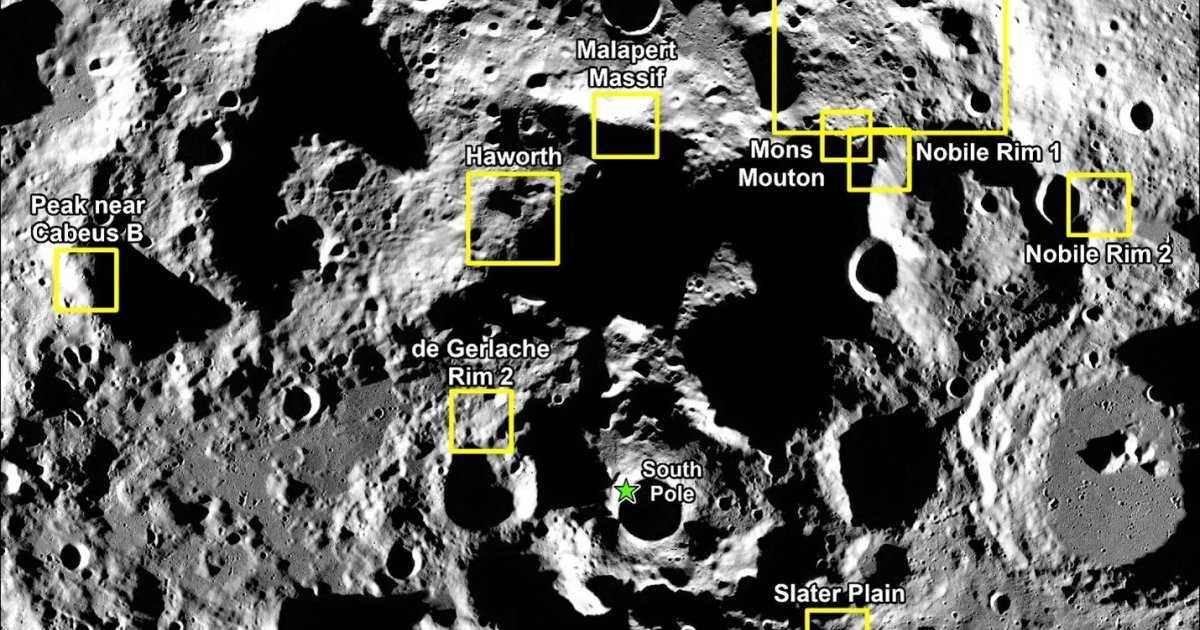
NASA is gearing up to return to the moon through the Artemis program, which aims to explore the moon and bring humans back to its surface by 2024. This comes over 50 years after the Apollo program sent the first human to the moon. The Artemis program includes ambitious plans to send the first woman and man to the moon, representing a new step in space exploration.
This return to the moon is part of a larger vision for NASA, which aims to establish a permanent base on the moon by the end of this decade, enabling scientists to conduct long-term research. Additionally, these plans include using the moon as a launch point for future exploration of Mars.
Details of the Artemis Program
The Artemis program consists of three main missions: Artemis 1, Artemis 2, and Artemis 3. Artemis 1 will conduct an uncrewed test flight around the moon, while Artemis 2 will send astronauts on a flight around the moon. Artemis 3 aims to land on the moon's surface in 2024. These missions are part of a broader plan to enhance international cooperation in space exploration.
The technology used in the Artemis program includes the Orion spacecraft, designed to carry astronauts to the moon and back. The Space Launch System (SLS) rocket, one of the most powerful rockets ever built, will also be utilized.
Background & Context
The Apollo program, which began in the 1960s, played a significant role in achieving tremendous scientific and technological milestones. It sent the first human to the moon in 1969, with Neil Armstrong famously stating, "That's one small step for man, one giant leap for mankind." Following that, the Apollo program completed several successful missions but was terminated in 1972 due to high costs and a lack of clear objectives.
In recent years, there has been an increased focus on space exploration, with many countries developing their own space programs. As interest in space has grown, NASA has reactivated its ambitious programs, leveraging technological advancements made over the past decades.
Impact & Consequences
NASA's return to the moon reflects a global trend towards space exploration and may open new avenues for international collaboration. Success in the Artemis program could enhance the United States' position as a leading power in space, encouraging other countries to invest in their own space programs.
This program is also expected to have economic impacts, potentially creating new job opportunities in technology, engineering, and scientific research. Furthermore, lunar exploration could lead to new discoveries in areas such as natural resources and energy.
Regional Significance
Although the Artemis program focuses on the moon, it may have potential implications for the Arab region. As interest in space increases, Arab countries may seek to enhance their space programs, such as the UAE's Mars exploration program, which has achieved notable successes.
International cooperation in space could also open doors for Arab nations to participate in joint space projects, thereby enhancing their scientific and technological capabilities.
The return to the moon represents a new beginning in space exploration, opening new horizons for scientists and researchers. With ongoing technological advancements, we may witness unprecedented achievements in the coming years.