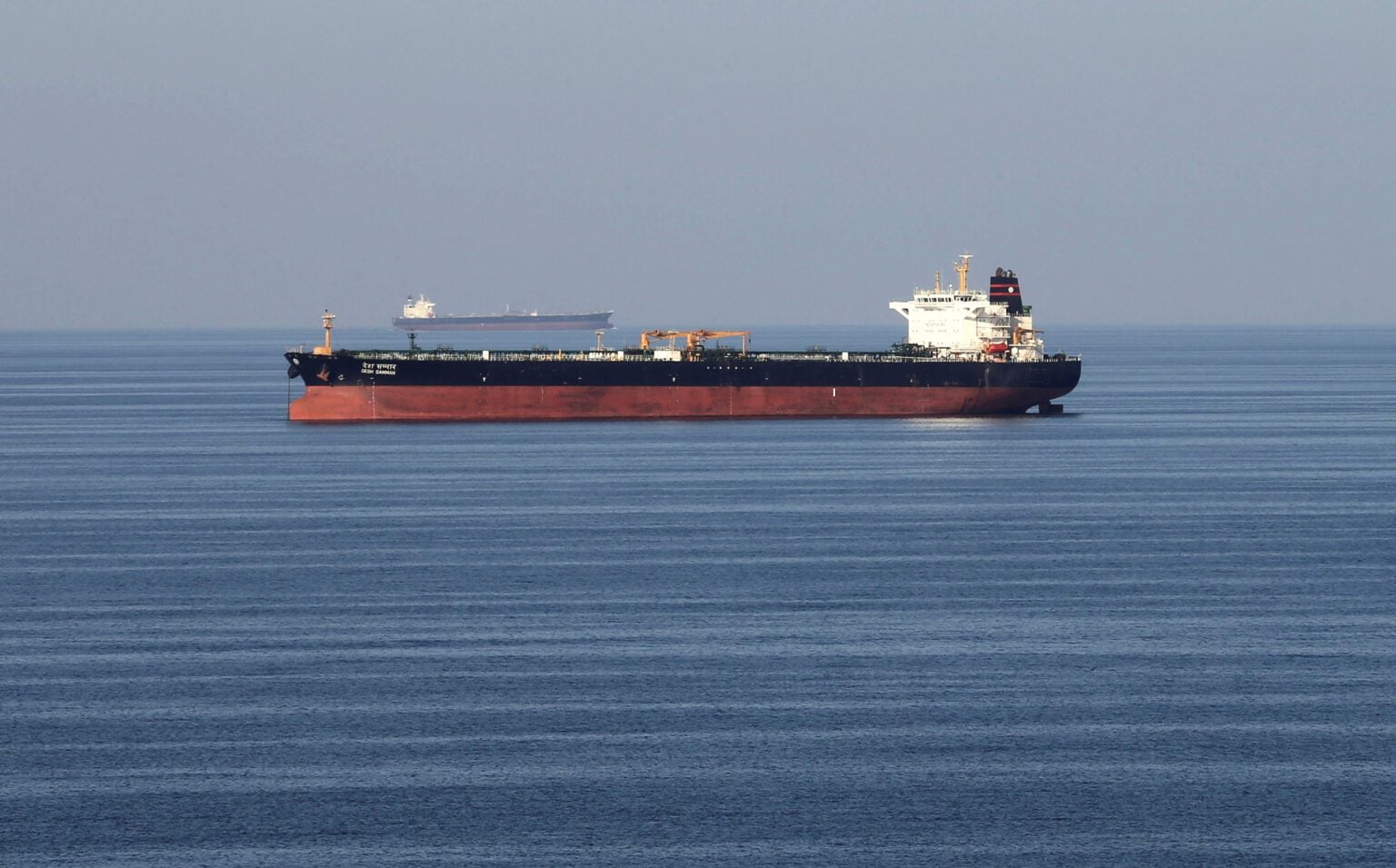
The government announced that two liquefied natural gas tankers heading to India have successfully crossed the Hormuz Strait, which represents an important step in securing energy supplies to India, one of the largest gas importers in the world. This move comes at a sensitive time as the region experiences increasing tensions, raising questions about the stability of shipping in this vital waterway.
The gas tankers are part of a series of shipments that India is seeking to meet its growing energy needs. The crossing of the tankers has been confirmed by government sources, reflecting the country's ability to secure its supplies despite geopolitical challenges.
Details of the Event
The Hormuz Strait is one of the most important waterways in the world, through which approximately 20% of the total global oil supplies pass. This area has witnessed increasing tensions in recent years between Iran and Western countries, leading to concerns about the safety of shipping. However, the crossing of the gas tankers indicates that trade flows remain ongoing, and there are mechanisms in place to protect commercial shipments.
India is one of the largest importers of liquefied natural gas, heavily relying on these supplies to meet its energy needs. India has increased its investments in the energy sector, making the securing of supplies vital for achieving its developmental goals.
Background & Context
Historically, the Hormuz Strait has been the scene of numerous political and military crises, with confrontations between the naval forces of major countries and Iranian forces. In recent years, tensions have escalated due to sanctions imposed on Iran, affecting shipping movements in the region. Nevertheless, the crossing of the gas tankers indicates ongoing efforts to ensure the safety of this movement.
On another front, India is seeking to diversify its energy sources, looking to reduce its dependence on coal and enhance the use of natural gas as part of its clean energy strategy. This makes securing gas supplies from regions such as the Arabian Gulf vital.
Impact & Consequences
The crossing of the gas tankers is a positive step that reflects the stability of shipping in the Hormuz Strait, which may contribute to enhancing confidence in global markets. Additionally, securing gas supplies to India could help strengthen economic relations between the two countries, potentially leading to further cooperation in energy and trade.
Moreover, the stability of shipping in this region may contribute to reducing natural gas prices globally, which would have a positive impact on the global economy. However, political tensions in the region remain a concern and may affect shipping movements in the future.
Regional Significance
The Arabian Gulf region is a vital hub for global energy supplies, playing a key role in securing the needs of many countries. The crossing of the gas tankers to India reflects the importance of this region as a major energy source, enhancing its position in the global market.
Furthermore, the stability of shipping in the Hormuz Strait may contribute to strengthening economic relations between Arab countries and India, potentially leading to more cooperation in energy and trade. Amid the challenges facing the region, securing energy supplies remains vital for achieving stability and development.