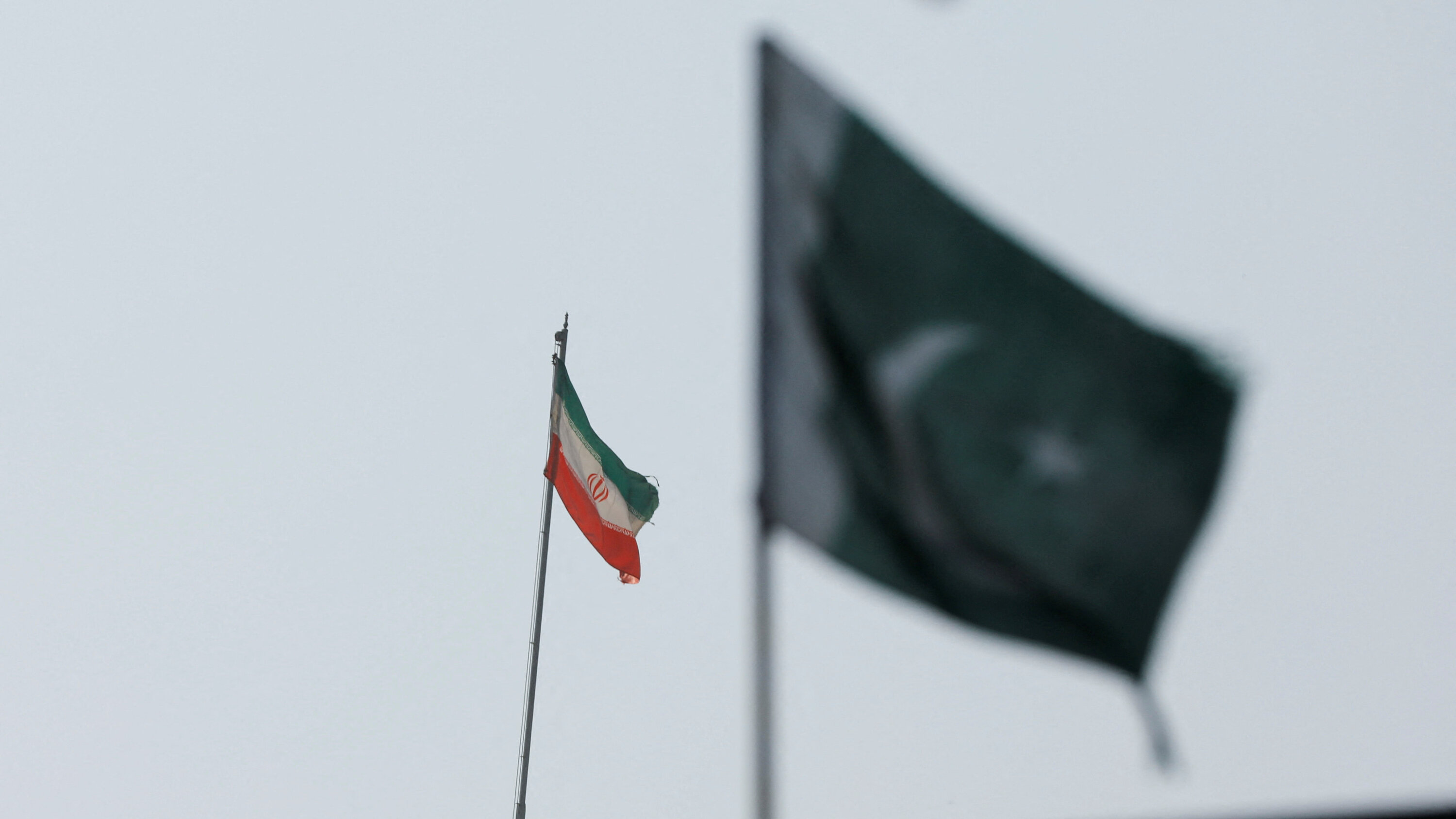
International mediators have gathered in Pakistan to conduct talks aimed at ending the ongoing war in Iran that has persisted for a month. These negotiations occur during a period marked by a significant escalation in the conflict, raising concerns about its implications for regional and international security.
The parties involved in these discussions are striving to find peaceful solutions to the conflict, which has severely affected the lives of civilians in Iran, leading to a deterioration of humanitarian conditions and an increase in the number of displaced persons.
Details of the Negotiations
The negotiations taking place in Pakistan involve a coalition of countries concerned about the conflict, with representatives from Iran and other nations seeking to mediate the dispute. A timeline for the talks has been established, focusing on finding points of agreement among the various parties.
Reports indicate that the negotiations may face significant challenges, particularly given the existing political tensions between Iran and some neighboring countries. Nevertheless, there are hopes that these discussions will yield positive results that contribute to ending the conflict.
Background & Context
Historically, Iran has experienced numerous internal and external conflicts, but the current war is characterized by escalating violence and external interventions. The war began a month ago and is linked to political and economic tensions, exacerbating the humanitarian situation.
Pakistan is considered a crucial starting point for the negotiations, given its historical ties with Iran and its role as a mediator in various regional disputes. The region has witnessed an increase in conflicts in recent years, making these negotiations even more significant.
Impact & Consequences
If the negotiations succeed in achieving peace, they could lead to greater stability in the region, positively impacting regional security. Additionally, ending the war would help improve humanitarian conditions in Iran, where civilians are suffering from the consequences of the conflict.
On the other hand, if the negotiations fail, the conflict may escalate further, potentially leading to negative repercussions for neighboring countries and increasing the number of displaced persons and refugees.
Regional Significance
The situation in Iran directly affects neighboring Arab countries, as any escalation in the conflict could destabilize the region. There are also concerns that the war could impact oil prices and global markets, reflecting on the Arab economy.
In conclusion, all eyes remain on the ongoing negotiations in Pakistan, where many hope for positive outcomes that contribute to ending the conflict and achieving peace in the region.