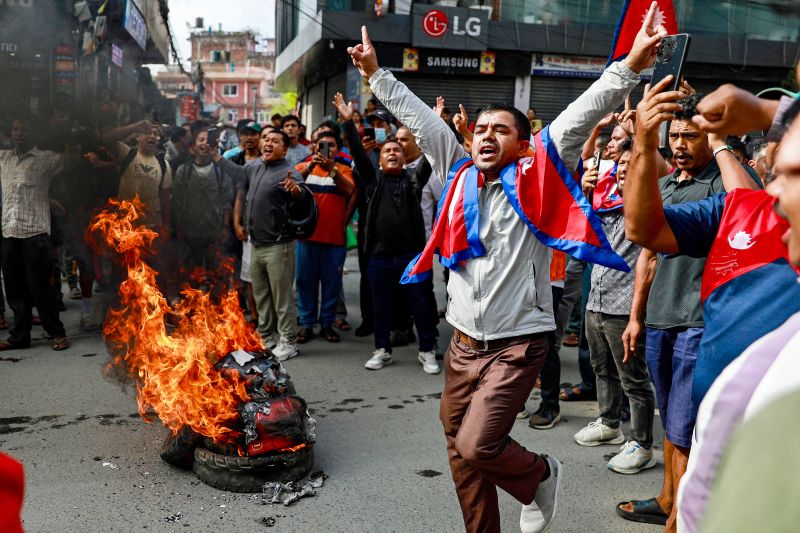
In a controversial move, Nepalese police have arrested former Prime Minister Sher Bahadur Deuba and former Interior Minister Ram Bahadur Thapa in connection with the deaths of several protesters during the demonstrations that occurred in September. These arrests come amid escalating public anger and demands for accountability regarding the excessive use of force against demonstrators.
The protests date back to September 2023, when thousands of Nepalese took to the streets to express their dissatisfaction with government policies, leading to clashes with security forces. These confrontations resulted in the deaths of several protesters, sparking outrage from civil society and human rights organizations.
Details of the Arrests
According to reports, Deuba and Thapa were arrested following several weeks of investigations into the events that led to the protesters' deaths. They have been charged with negligence in their duties as government officials, which exacerbated the security situation during the protests.
The arrests came after increasing calls from human rights organizations and citizens for accountability from those responsible for the excessive use of force against demonstrators. A spokesperson for the Nepalese police confirmed that the arrests aim to achieve justice for the victims and their families.
Background & Context
Historically, Nepal has witnessed numerous popular protests reflecting citizens' dissatisfaction with government policies. Since the end of the civil war in 2006, the country has faced significant challenges in building a stable democratic system. However, issues of corruption and mismanagement continue to affect public trust in the government.
In recent years, protests have notably increased, as citizens express their discontent with economic and social conditions. Political and economic crises have exacerbated these situations, making protests a means of expressing public anger.
Impact & Consequences
The arrests of Deuba and Thapa are seen as a significant step in the context of political accountability in Nepal. This move may enhance trust in the judicial system, but it could also provoke negative reactions from their supporters. These events are expected to impact the political landscape in Nepal, where the country may witness further protests and demands for reforms.
Additionally, these events could place greater pressure on the current government, potentially leading to changes in policies or even in the government’s composition. At the same time, these arrests may strengthen the human rights movement in the country, increasing awareness of justice and accountability issues.
Regional Significance
Although the events in Nepal may seem distant from the Arab region, there are lessons to be learned. The challenges faced by Nepal in the field of human rights and political accountability are similar to those in many Arab countries that have experienced popular protests in recent years. These events highlight the importance of responding to citizens' demands and achieving justice.
Ultimately, the events in Nepal serve as an example of how politics can affect citizens' lives and the importance of accountability in building trust between the government and the people.