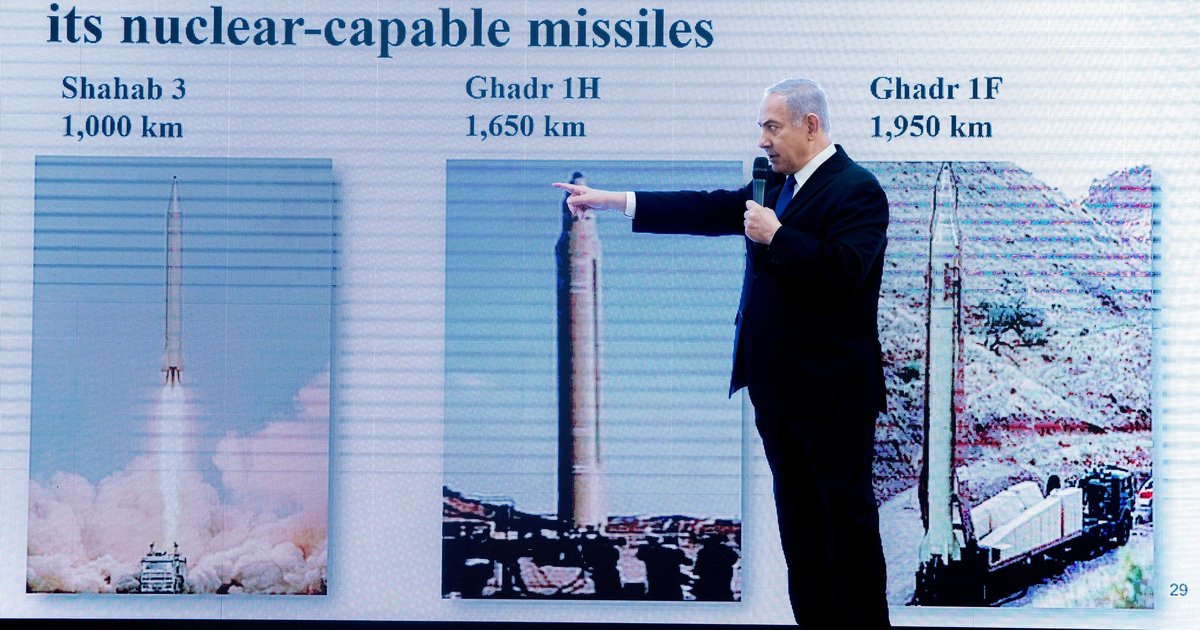
In striking remarks, Israeli Prime Minister Benjamin Netanyahu confirmed on Tuesday evening that the war being waged by the United States and Israel against Iran has provided Tel Aviv with the opportunity to form new alliances with "important countries" in the region to confront what he described as the "Iranian threat." Netanyahu noted that Iran's influence has diminished, reflecting his assessment of the military and political situation in the region.
Although he did not specify the names of the countries involved in these alliances, Netanyahu claimed that the Iranian regime has become weaker than ever, stating: "We and Washington have been continuously crushing the Iranian regime for a month... We have achieved great successes in our struggle against evil in Iran, and this comes at a high cost to us."
Details of the Event
In his speech, which came on the eve of the Jewish Passover, Netanyahu indicated that Israel has delivered "10 decisive strikes" against Iran, targeting its proxies and missile and nuclear projects. He affirmed that Iran's influence is no longer capable of posing an existential threat to Israel, although Tehran still retains the capability to launch missiles towards it.
Netanyahu also expressed Israel's determination to continue its military campaign against Iran, emphasizing that Tel Aviv will persist in "crushing the terrorist regime in Iran." He considered that Israel has become a regional power, and in some respects, a global power, asserting that his country has changed the face of the Middle East.
Background & Context
Since February 28, the United States and Israel have been conducting coordinated attacks on Iran, resulting in thousands of casualties and injuries, in addition to assassinations of prominent military and political leaders, such as Supreme Leader Ali Khamenei. These military operations come at a sensitive time, as tensions in the region are escalating.
In contrast, statistics from the Israeli Ministry of Health indicate that 108 people have been injured in Israel over the last 12 hours, raising the total number of injuries to 6,239 since the beginning of military operations. The injuries are categorized into critical, serious, and moderate cases, reflecting the significant impact of this war on civilians.
Impact & Consequences
Concerns are rising that the escalation of hostilities could lead to a greater escalation in the region, as Iran and its ally, Hezbollah, respond by launching missiles and drones towards Israel, resulting in 24 deaths and 6,239 injuries. Observers believe that official figures may be significantly lower than reality, given the Israeli secrecy.
Moreover, Iran is carrying out attacks on what it describes as American bases and interests in the Gulf Cooperation Council countries and Jordan, leading to casualties and injuries among civilians, which has sparked widespread international condemnation.
Regional Significance
The Arab region is significantly affected by these developments, as there is a prevailing sense of concern that the escalating wars could destabilize neighboring countries. The new alliances that Netanyahu seeks to form may lead to a reshaping of regional alliances, potentially altering the balance of power in the area.
In conclusion, it appears that the conflict between Iran and Israel has entered a new phase, with increasing military and political tensions, necessitating close monitoring by the international community.