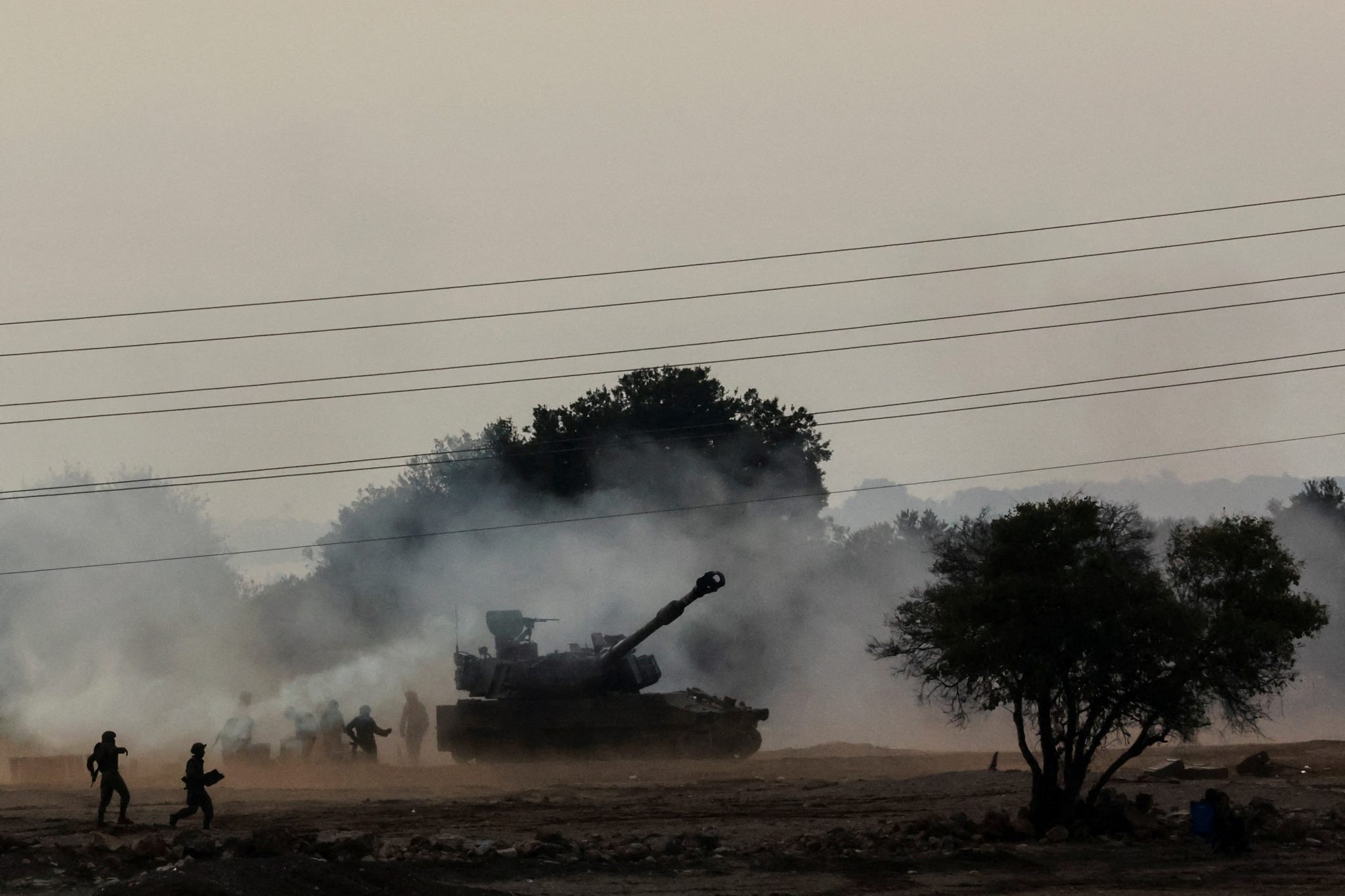
Israeli Public Broadcasting Corporation reported that Prime Minister Benjamin Netanyahu has requested the expansion of the buffer zone in southern Lebanon as part of his government's efforts to enhance security in border areas. This step comes at a sensitive time, as tensions between Israel and Hezbollah have escalated, raising fears of a potential military escalation.
Netanyahu's request appears to reflect the Israeli government's concerns over the increasing threats posed by Hezbollah, which possesses a stockpile of advanced weaponry and is considered one of Israel's primary adversaries. Many analysts have noted that expanding the buffer zone could have significant implications for the security situation in the region.
Details of the Request
In official statements, Netanyahu confirmed that expanding the buffer zone is a necessary step to protect Israeli civilians and ensure that armed elements do not infiltrate from Lebanon. He explained that the Israeli government will work to bolster military capabilities along the southern border, including increasing the number of soldiers and military equipment.
He also added that these measures are part of a comprehensive strategy to address security threats, emphasizing that Israel will not hesitate to take all necessary measures to protect its national security. This information has been widely circulated in Israeli media, reflecting the importance of this issue in current political discussions.
Background & Context
The roots of the tensions between Israel and Hezbollah date back decades of conflict, with the region witnessing numerous armed disputes. The most recent was the war that erupted in 2006, resulting in significant loss of life and property. Since then, Hezbollah has maintained its military presence in southern Lebanon, making the Israeli-Lebanese border one of the most tense areas in the Middle East.
In recent years, Hezbollah's military activities have increased, including rocket launches into Israeli territory, prompting the Israeli government to take preventive measures. Recently, there has been an escalation in hostile rhetoric between the two sides, increasing the likelihood of new military confrontations.
Impact & Consequences
Expanding the buffer zone may lead to heightened tensions in the region, as Hezbollah may perceive this move as a direct threat to its security. The group is likely to respond with military operations or an escalation of military activities along the border, potentially dragging the region into a broader conflict.
Moreover, this step could affect Israel's relations with neighboring countries, including Lebanon and Syria. Should the situation escalate, Arab countries may find themselves in a difficult position, needing to balance support for Lebanon while rejecting military escalation.
Regional Significance
The developments in southern Lebanon are of significant importance to the Arab region as a whole, reflecting ongoing conflicts between regional powers. Amid the political and economic crises faced by many Arab countries, any military escalation could exacerbate humanitarian conditions and increase civilian suffering.
Additionally, the tensions between Israel and Hezbollah could impact peace efforts in the region, potentially hindering any attempts to reach political settlements. The situation in Lebanon poses a considerable challenge to regional security, and Arab nations must work together to mitigate tensions.
In conclusion, Netanyahu's request to expand the buffer zone reflects Israeli concerns over deteriorating security conditions and indicates the possibility of military escalation in the region. The international community must make greater efforts to reduce tensions and ensure regional stability.