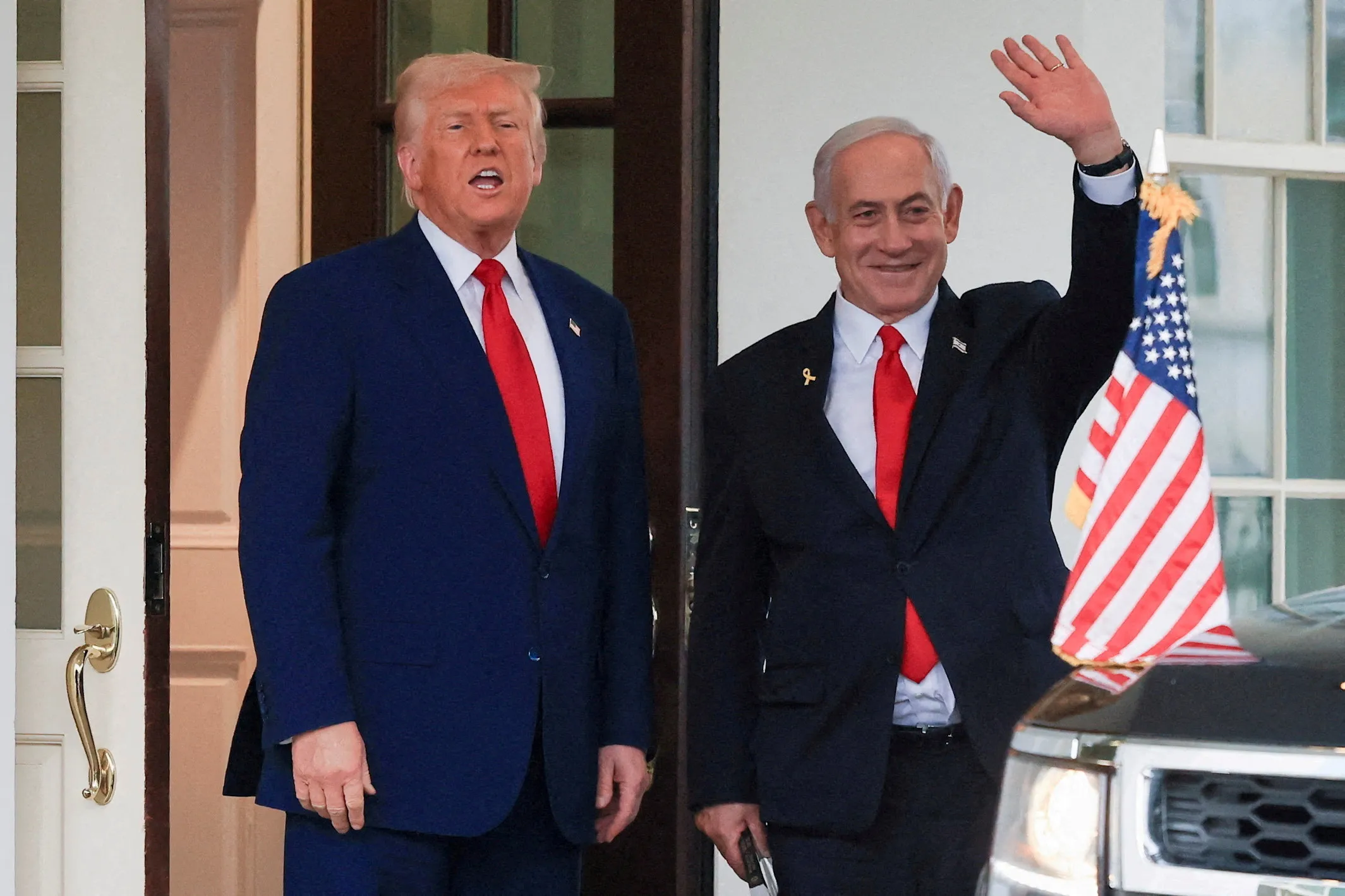
Israeli Prime Minister Benjamin Netanyahu has reportedly informed U.S. President Donald Trump that the ceasefire in Lebanon is highly fragile. These statements come at a time when the region is witnessing escalating tensions, raising alarms about the security situation in Lebanon.
Netanyahu, who is serving under complex political circumstances, indicated that the situation in Lebanon could deteriorate at any moment, necessitating greater international attention. These remarks reflect Israeli concerns over the increasing military activities in the region, particularly amid ongoing tensions between Israel and Hezbollah.
Details of the Situation
These statements come at a sensitive time when the international community is striving to calm the situation in Lebanon following a series of armed clashes. The United States has shown significant interest in maintaining stability in Lebanon, viewing it as part of its regional strategy to counter security threats.
In this context, Netanyahu pointed out that Hezbollah continues to pose a significant threat to Israeli security, and any escalation by the party could provoke military responses from Israel. He also emphasized the importance of cooperation between the United States and Israel in addressing these challenges.
Background & Context
Lebanon is grappling with increasing political and economic crises, complicating the security situation further. Historically, Lebanon has experienced multiple conflicts, with Hezbollah always being a key player in the political and military equation. This backdrop makes achieving lasting stability in the country exceedingly difficult.
In recent years, Hezbollah's military activities have increased, raising alarms within the Israeli government. Additionally, the situation in neighboring Syria directly impacts conditions in Lebanon, where Iranian forces supporting Hezbollah are present, further complicating the regional landscape.
Impact & Consequences
Netanyahu's statements may lead to heightened tensions in the region, as concerned parties might feel compelled to take preemptive military actions. This could negatively affect the humanitarian situation in Lebanon, which is already suffering from multiple crises.
Any military escalation could exacerbate humanitarian conditions, as the Lebanese people are facing severe shortages of essential resources. Furthermore, any military intervention could drag the region into a wider conflict, impacting overall regional stability.
Regional Significance
Concerns over rising tensions in Lebanon extend to neighboring Arab countries, as any new war could affect regional security. Arab nations are closely monitoring the situation, as any escalation could have unforeseen repercussions on security and stability in the area.
Moreover, the situation in Lebanon could influence relations between Arab countries and Israel, as any escalation may reopen old wounds and intensify tensions among various parties.
Netanyahu's remarks regarding the fragility of the ceasefire in Lebanon reflect the growing concern over escalating tensions in the region. The current situation requires intensive international efforts to achieve stability and avoid any escalation that could have dire consequences for the Lebanese people and the entire region.