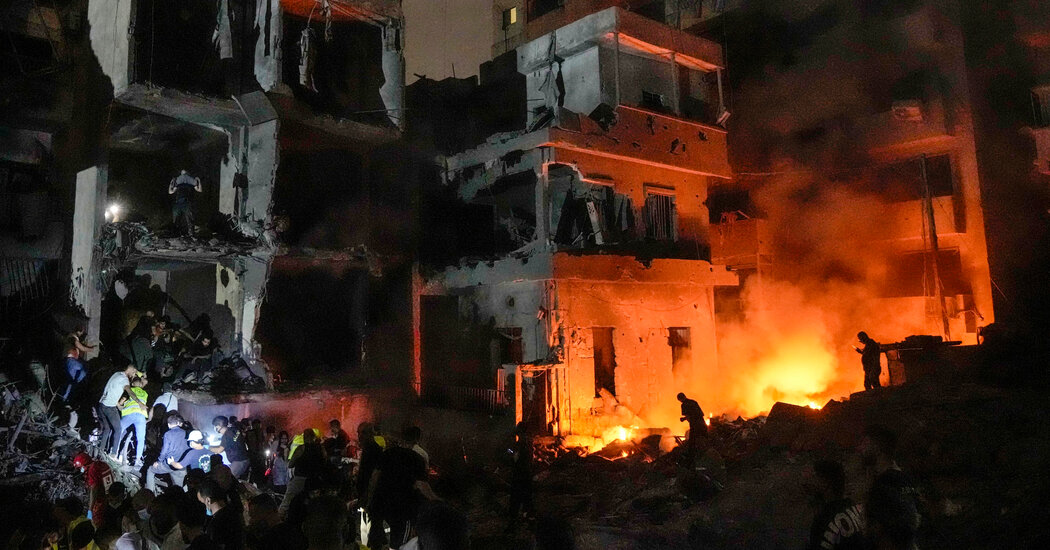
On Wednesday, Lebanese hospitals experienced new airstrikes, adding another tragic chapter to their long history of disasters. Although these hospitals have shown remarkable adaptability to crises, concerns remain about the recurrence of Israeli attacks and the loss of control over the security situation.
These airstrikes are part of an ongoing escalation in the region, with many areas in Lebanon facing increasing pressure due to political and military tensions. Reports indicate that hospitals in Lebanon, which have been suffering from resource shortages, managed to respond effectively despite significant challenges.
Details of the Airstrikes
On Wednesday, several regions in Lebanon were subjected to airstrikes, resulting in numerous injuries and an urgent need for medical care. Reports showed that medical teams were on high alert, responding quickly to provide treatment for the wounded. This rapid response reflects the improvements that Lebanese hospitals have made in recent years, despite the difficult circumstances they face.
Fears are growing that these airstrikes may be a precursor to further escalation, as tensions rise between Israeli forces and armed groups in Lebanon. Some observers have noted that the situation could deteriorate further if effective diplomatic measures are not taken to calm the situation.
Background & Context
Lebanon's history is filled with conflicts and disputes, leading its hospitals to face unprecedented challenges. Since the outbreak of the Lebanese conflict in the 1970s, the country has experienced numerous health crises due to wars and assaults. However, the ability of hospitals to adapt to crises has significantly improved, with new strategies developed to handle emergencies.
These airstrikes are part of a continuing pattern of military escalation in the region, where political and military dimensions intersect in complex ways. These events have significantly impacted the lives of Lebanese citizens, increasing pressure on a healthcare system already struggling with resource shortages.
Impact & Consequences
These airstrikes directly affect Lebanon's healthcare system, as the need for medical support and resources increases. Reports indicate that hospitals are struggling to cope with the rising numbers of injured, placing additional pressure on medical staff.
Moreover, military escalation could exacerbate humanitarian conditions in Lebanon, where many citizens are suffering from poverty and unemployment. This may lead to increased social tensions, potentially resulting in an outbreak of unrest in the near future.
Regional Significance
The ongoing airstrikes highlight the significant challenges facing Lebanon's healthcare system amid rising military tensions. The situation not only affects the immediate health crisis but also has broader implications for regional stability.
As Lebanon grapples with these challenges, the international community's response will be crucial in determining the future trajectory of both the healthcare system and the overall security situation in the region.