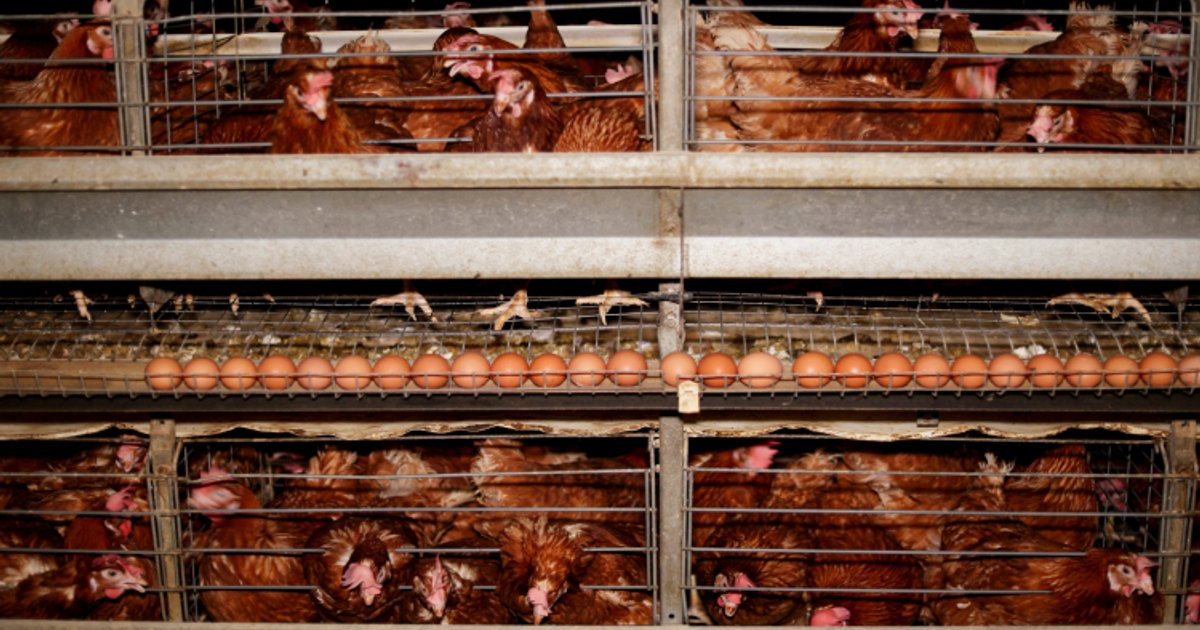
Poultry prices in Egypt have significantly declined, with the head of the Poultry Division in the Chamber of Commerce confirming a notable drop in recent days. This decline comes at a time when the sector is facing several challenges, raising questions about its impact on the market and farmers.
The head of the division explained that prices have decreased by up to 20% compared to last month, with the price of a kilogram of white poultry reaching approximately 45 Egyptian pounds, down from over 55 Egyptian pounds previously. This drop is attributed to an increase in the supply of poultry in the markets, which has contributed to the price decline.
Details of the Event
The head of the division reported that this price decline is due to several factors, primarily the increase in local poultry production, along with a decrease in demand in some markets. He also noted that some farmers may face difficulties in covering production costs due to the falling prices.
He added that there is an urgent need to support farmers by providing production supplies at reasonable prices to ensure the sustainability of the sector and prevent negative impacts in the future. He confirmed that the division is working to communicate with government agencies to improve the living conditions of farmers.
Background & Context
The poultry sector is considered a vital part of the Egyptian economy, significantly contributing to the provision of animal protein for consumers. With the increasing demand for poultry, prices have experienced notable fluctuations over the past years. In recent years, farmers have faced numerous challenges, including rising feed and vaccine prices, which have affected their production capabilities.
Historically, poultry prices in Egypt have seen significant increases during certain periods, leading to protests from both consumers and farmers alike. Given the current economic conditions, the question remains on how to address these price fluctuations and their impact on the market.
Impact & Consequences
The decline in poultry prices directly affects farmers, as it may lead to reduced profits, prompting some to cut back on production or even exit the market. Additionally, lower prices may impact product quality, as some farmers might seek to reduce costs at the expense of quality.
On the other hand, the price drop could benefit consumers by lowering the cost of living. However, there must be a balance between the interests of consumers and farmers to ensure the sustainability of the sector.
Regional Significance
Egypt is one of the largest poultry producers in the Arab region, and any changes in poultry prices could affect neighboring markets. If the price decline continues, it may lead to increased demand for Egyptian poultry in other Arab markets, potentially enhancing Egypt's competitiveness in this sector.
At the same time, other Arab countries should monitor these price changes, as they could influence their production and consumption strategies. Additionally, cooperation among Arab countries in the field of food production may be necessary to address future challenges.
In conclusion, the poultry sector in Egypt remains under scrutiny, requiring effective strategies to ensure its sustainability and achieve a balance between the interests of all stakeholders involved.