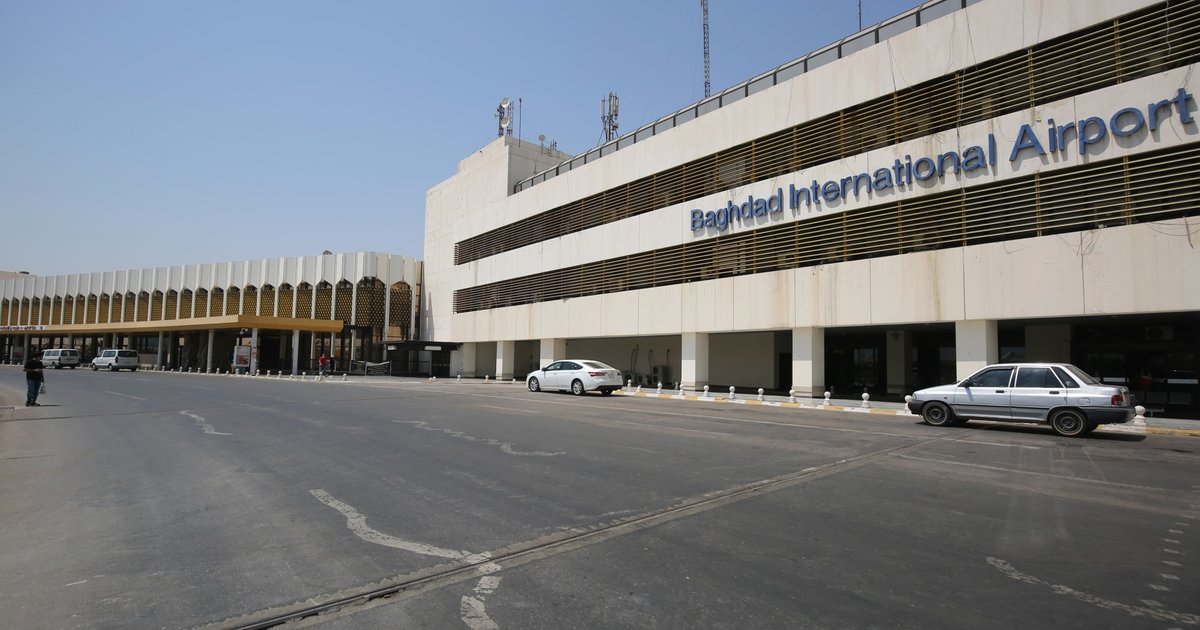
Drones targeted a logistics support camp located near Baghdad Airport, according to Iraqi security sources. Two drones were intercepted by air defenses in the area surrounding the airport, leading to heightened tensions in the skies. In this context, Al Jazeera reported hearing loud explosions in the western part of Baghdad at the time of the attack.
This attack comes at a sensitive time for Iraq, as military and security movements in the region are on the rise. The incident presents new data on the ongoing conflicts in the country, which involve interventions from regional and international powers. Drone attacks have increased in recent years, becoming not just exceptions but a recurring pattern used by various competing factions in Iraq, in addition to armed groups targeting military bases.
It is important to note that the Baghdad area has always been a center for military operations and has witnessed numerous repeated attacks over the past two decades. The escalation of violence and intensification of attacks coincides with the deterioration of security conditions in Iraq after years of wars and conflicts, leading to difficulties for state institutions.
Concerns are growing about the continued worsening of security conditions, as current tensions could lead to greater repercussions on all fronts, including political and economic ones. Drones, as effective means for conflict parties to change the dynamics of the battle, may lead to changes in the security response tactics of Iraqi authorities.
On a broader regional scale, this attack is part of a larger landscape of escalating conflicts in the Middle East. The relationship between Baghdad and regional powers such as Iran and the U.S. remains complex, and thus any escalation in attacks may negatively impact regional stability.
Regarding the interests of Arab countries, Iraq remains a key axis in promoting security and stability in the region. Events like this raise concerns among neighboring Arab countries as they contribute to deepening divisions and encouraging extremist groups.
Based on all of this, resolving these situations may require greater international coordination and improved security efforts in Iraq to regain control and build confidence among different parties. It is crucial to exert more efforts at the regional level to achieve stability.
In conclusion, this attack serves as a wake-up call reflecting the deteriorating security situation in Iraq, which should receive greater attention from the international community and the Arab world as a whole. Those interested in peace and stability must take concrete steps to address the roots of the problem.