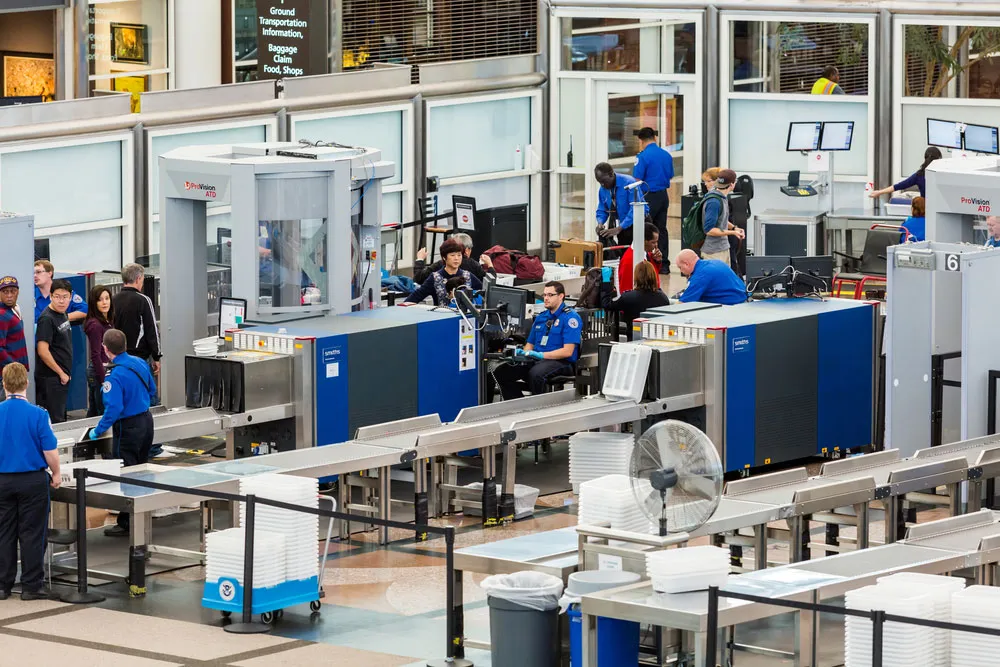
The Transportation Security Administration (TSA) has announced new measures aimed at enhancing security at U.S. airports, in light of the rising terrorist threats facing the country. This step comes at a critical time as the United States seeks to protect travelers and ensure their safety while traveling.
The new measures include an increase in the number of security screenings, as well as updates to the technologies used in inspection processes. Additionally, staff will be trained to handle potential threats more effectively, reflecting the agency's commitment to enhancing security across all airports.
Details of the New Measures
The new measures announced by the TSA involve increasing the number of metal detectors and X-ray machines at checkpoints. Advanced data analysis techniques will also be employed to help identify travelers who may pose a greater risk. These steps aim to reduce the time travelers spend at checkpoints while maintaining a high level of security.
Moreover, the agency will conduct regular security assessments at airports to ensure that all stakeholders comply with the new standards. This approach is part of the U.S. government's efforts to address the increasing threats from terrorist groups, which have become more complex in recent years.
Background & Context
Historically, the United States has witnessed numerous terrorist attacks targeting airports and public transportation. One of the most notable attacks was the September 11, 2001, incident, which led to radical changes in airport security policies. Since then, the TSA has been established as part of the government's efforts to enhance security and protect travelers.
In recent years, terrorist threats have increased, prompting the government to reassess its security strategies. Studies have shown that terrorist groups are employing new techniques and innovative methods to carry out their attacks, necessitating a swift and effective response from authorities.
Impact & Consequences
The TSA anticipates that these new measures will improve the level of security at airports, thereby enhancing travelers' confidence in the security system. However, these measures may also lead to increased time spent by travelers at checkpoints, which could affect the overall travel experience.
It is crucial for the agency to balance enhancing security with providing a comfortable travel experience for passengers. Additionally, these measures may result in increased operational costs for airports, which could impact flight ticket prices in the future.
Regional Significance
The security measures at U.S. airports are particularly significant for the Arab region, as many Arab travelers use U.S. airports as transit points. These measures may affect travel flows between Arab countries and the United States, requiring Arab travelers to be aware of the new changes.
Furthermore, enhancing security at U.S. airports may lead to increased cooperation between Arab countries and the United States in the field of security, reflecting the importance of partnership in addressing shared threats.
In conclusion, the new measures announced by the TSA come at a critical time as the government seeks to enhance security and protect travelers. It is essential for authorities to remain prepared to face increasing threats while maintaining a comfortable and safe travel experience for passengers.