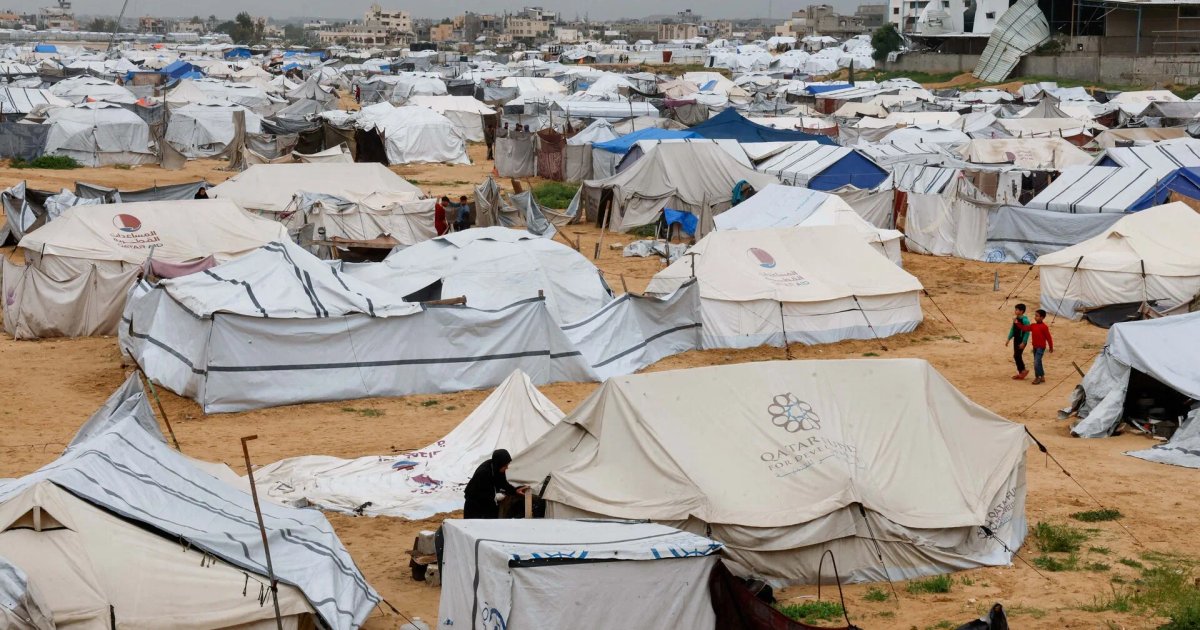
The suffering of the residents of Gaza is renewed with the arrival of a new weather system, revealing the fragility of the situation faced by the displaced in camps that are experiencing significant deterioration. The heavy rains falling on the region exacerbate humanitarian conditions, as water accumulates in narrow alleys, increasing the spread of insects and rodents.
A correspondent from Al Jazeera Mubasher reported from a camp in the Zeitoun neighborhood in southeastern Gaza City, highlighting some aspects of the humanitarian tragedy faced by Gazans, whose suffering increases with each weather system. Under these conditions, citizens attempt to alleviate their suffering through simple means, but the situation remains unchanged and even worsens with every rainfall.
Details of the Situation
One displaced person expressed his frustration with the situation, indicating that suffering multiplies with the arrival of weather systems, as tents suffer from water leakage, leading to the accumulation of dirt inside them. The Palestinian Ministry of Health has warned of the health risks resulting from water accumulation in neighborhoods and streets, especially for those living in tents.
A young girl named Hala spoke to Al Jazeera Mubasher about the dire conditions inside the camp, confirming that their tents were flooded due to the rain without anyone intervening to drain the water. Another citizen pointed out that the destroyed infrastructure does not provide them protection from the rain, calling for the urgent reconstruction of Gaza and the provision of housing for the displaced.
Background & Context
These conditions come amid the ongoing Israeli blockade that hinders the entry of essential needs into Gaza. A limited number of trucks, not exceeding **200** per day, are allowed entry, despite a humanitarian protocol stipulating a minimum of **600** trucks. This situation exacerbates the humanitarian crises in Gaza and makes it difficult for residents to adapt to harsh conditions.
Historically, Gaza has witnessed numerous humanitarian crises due to wars and blockades, leading to the deterioration of infrastructure and essential services. With each weather system, the suffering of the population is renewed, necessitating urgent interventions from the international community to provide the necessary aid.
Impact & Consequences
These conditions significantly affect the lives of residents, who face acute shortages of bedding and clothing. Additionally, the accumulation of water in front of tents increases health risks, necessitating the provision of clothing and food for children and the repair of infrastructure. The displaced are calling for mobile homes to help them overcome these crises.
Calls from the displaced for improving their conditions are increasing, as they express concern about the continuation of the current situation. The inability of local authorities to intervene due to the blockade exacerbates their suffering, necessitating urgent action from relevant parties.
Regional Significance
The humanitarian situation in Gaza is a matter of concern for the Arab world, reflecting the suffering of the Palestinian people under occupation. The ongoing humanitarian crises in Gaza impact regional stability and increase political and social tensions.
In conclusion, the suffering of Gaza's residents continues under harsh conditions, necessitating a concerted effort from local and international communities to resolve this humanitarian crisis and provide the necessary support to the displaced.