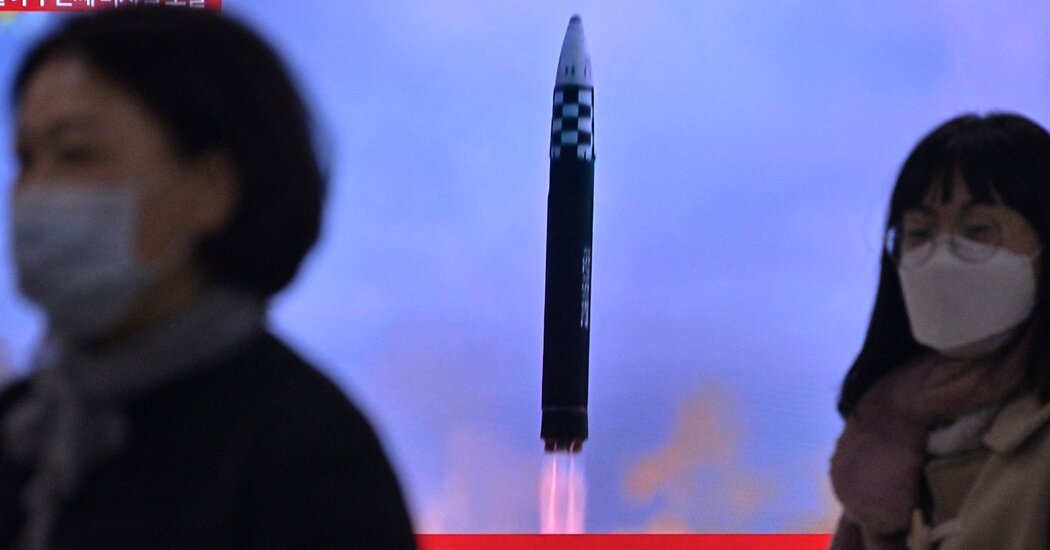
In a new escalation of tensions on the Korean Peninsula, North Korea launched an unspecified missile into the sea off its eastern coast on Wednesday, according to the South Korean armed forces. This move comes just a day after a suspicious missile launch was detected from the Pyongyang area, raising concerns about North Korea's intentions amid the current situation.
The South Korean military reported that the missile launched on Tuesday flew eastward before showing signs of instability early in its flight and disappearing. The Joint Chiefs of Staff of South Korea believe this object may have been a ballistic missile, indicating a possible failure after launch.
Details of the Launch
South Korea typically announces North Korean missile launches immediately, as these tests violate United Nations Security Council resolutions. However, they are more cautious when it comes to conventional missiles or cruise missiles. North Korea considers the UN-imposed sanctions as violations of its sovereign right to self-defense.
The recent launches were revealed following a statement from a senior North Korean official, who clarified that Pyongyang sees no change in its hostile stance towards Seoul, despite hopes for easing tensions. Jang Kum Chol, an official in North Korea's foreign ministry, stated that South Korea is living in delusions if it believes Pyongyang is ready to view Seoul as more than just an enemy.
Background & Context
Historically, relations between the two Koreas have seen ongoing escalation since the end of the Korean War in 1953, which concluded with an armistice rather than a peace treaty. The continuous tensions have led to a series of military conflicts and mutual threats, making the region one of the most volatile in the world.
Recently, South Korea has attempted to improve relations with the North, considering some statements from Pyongyang as steps towards reconciliation. However, recent remarks from North Korean officials suggest that these hopes may be unrealistic, complicating the political landscape in the region.
Impact & Consequences
These developments indicate that North Korea remains committed to enhancing its military capabilities, which could lead to heightened tensions in the region. Additionally, these actions may negatively affect dialogue efforts between the two Koreas, increasing concerns about regional security.
These events are likely to provoke reactions from the international community, especially from the United States and South Korea, potentially leading to further sanctions or increased military presence in the region. Furthermore, these developments could impact stability in East Asia as a whole.
Regional Significance
The ongoing tensions in the Korean Peninsula highlight the fragile security situation in the region and its implications for international peace. The actions taken by North Korea not only challenge regional stability but also test the resolve of international powers in addressing such provocations.
In conclusion, the situation remains precarious, and the international community must remain vigilant in monitoring North Korea's military activities and their potential impact on regional and global security.