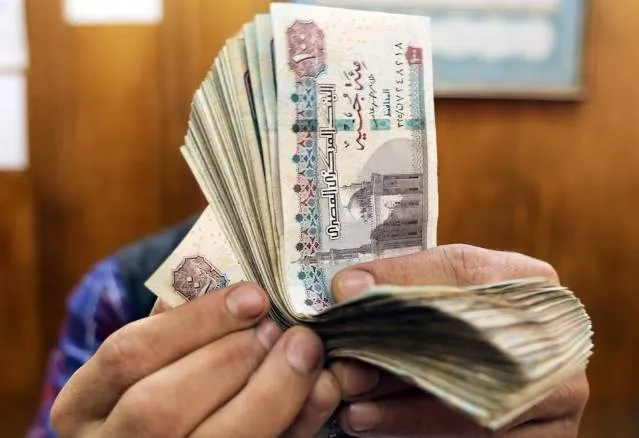
Sovereign bonds from countries heavily reliant on oil and gas imports, such as Pakistan, Egypt, and Sri Lanka, saw a notable increase on Wednesday, as hopes for an end to the war with Iran grew, according to indicators from the United States.
Data from TradeWeb indicated that Pakistan's bonds maturing in 2051 rose by up to 4 cents to reach 93 cents on the dollar, while Egypt's bonds maturing in 2047 jumped by 2.5 cents to record 88.49 cents. Sri Lanka's bonds maturing in 2036 increased by 3 cents to reach 91.45 cents.
Details of the Event
Other energy-importing nations, including Turkey, Romania, and Ukraine, also recorded significant gains in their sovereign bond markets, as reported by Reuters. This rebound comes at a time when the manufacturing sector in the Eurozone is witnessing notable growth, with growth indicators rising despite pressures from increased input costs due to the conflict in the Middle East.
The conflict in the Middle East has disrupted global logistics networks, leading to delivery delays that artificially boosted key growth indicators. The Eurozone's manufacturing purchasing managers' index (PMI), published by Standard & Poor's, rose to 51.6 points in March, up from 50.8 points in February, surpassing the initial estimate of 51.4 points.
Background & Context
In this context, Joe Hayes, chief economist at Standard & Poor's Global Market Intelligence, stated, "The war in the Middle East has already left its mark on the manufacturing sector in the Eurozone." Supplier delivery times have sharply increased as logistics markets readjust to maritime transport disruptions.
At the same time, oil and energy prices have risen, leading to factory input costs reaching their highest level since late 2022. The sub-index for new orders, a key measure of demand, rose to its highest level in 46 months, indicating an improvement in economic activity.
Impact & Consequences
However, business confidence has dropped to its lowest level in five months, as the conflict negatively impacted corporate sentiment. Germany and Italy recorded their highest levels in 46 and 37 months respectively, while Spain experienced a contraction, reflecting varying performance among European countries.
In Germany, the manufacturing sector grew in March at its fastest pace since May 2022, driven by increased production and new orders, despite supply disruptions linked to the Iranian war. The final manufacturing PMI for Germany rose to 52.2 points in March, exceeding the preliminary reading.
Regional Significance
These developments suggest potential impacts on Arab energy-importing countries, as improvements in bond prices could lead to increased foreign investments and enhanced economic conditions. Growing optimism regarding the de-escalation of regional conflicts may also contribute to stabilizing financial markets in the region.
In conclusion, the situation in the Middle East remains a focal point of global interest, as investors look for any signs indicating stability, which could positively reflect on the economies of energy-importing nations.