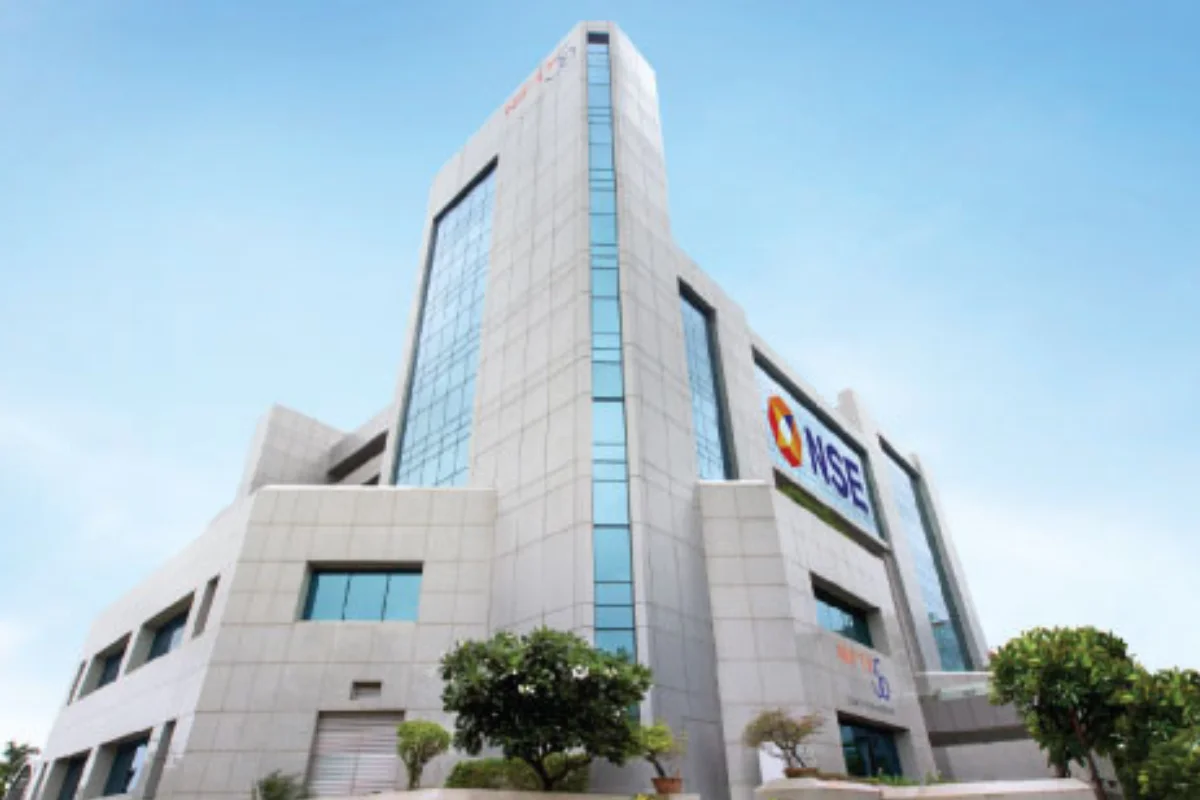
The NSE Nifty IT index has sharply declined, reaching its lowest level since June 2023, indicating a state of concern among investors regarding the future of the Indian market. This drop occurs amid growing fears of new restrictions on the Indian rupee, which could negatively impact the performance of technology companies.
Economic circles are increasingly worried that the Indian government may take new measures to curb the depreciation of the rupee, which could have adverse effects on companies reliant on imports or those dealing with foreign markets. This decline in the IT index serves as a wake-up call for investors closely monitoring developments in the country's monetary policy.
Market Trends and Investor Sentiment
The NSE Nifty IT index has experienced a significant decline, reflecting a sense of uncertainty in the Indian market. This drop comes at a sensitive time as the government seeks to stabilize the economy amid multiple challenges, including inflation and rising interest rates. There are also concerns that any new restrictions on the rupee could exacerbate the economic situation.
Investor reactions are now in focus, with some possibly looking to reduce their investments in the technology sector. At the same time, companies may seek to reassess their strategies to adapt to the changing economic conditions.
Background & Context
Historically, India has experienced fluctuations in the value of the rupee, impacting various economic sectors. In recent years, the country has faced economic challenges due to the COVID-19 pandemic, leading to a slowdown in economic growth. However, the Indian government has taken steps to bolster the economy, including introducing stimulus packages and supporting affected sectors.
In this context, the information technology sector is one of the main drivers of growth in India, contributing significantly to the GDP. However, any restrictions on the rupee could lead to a decline in investments in this vital sector.
Impact & Consequences
Potential restrictions on the rupee could have negative effects on Indian companies, especially those that rely on imports. Additionally, the decline in the IT index may affect investor sentiment, potentially leading to further downturns in the market. If these trends continue, we may witness adverse effects on overall economic growth in India.
Furthermore, these developments could impact global companies that engage with India, leading to a reevaluation of their investment strategies. Under these circumstances, it may be challenging for Indian companies to maintain sustainable growth.
Regional Significance
The implications of these economic trends extend beyond India, affecting trade relations with various countries, particularly in the region. The decline in the IT index may signal broader economic issues that could influence investor confidence and bilateral trade agreements.
In conclusion, the current situation highlights the challenges facing the Indian economy and the potential ripple effects on global markets. Stakeholders must remain vigilant and responsive to these developments to navigate the uncertainties ahead.