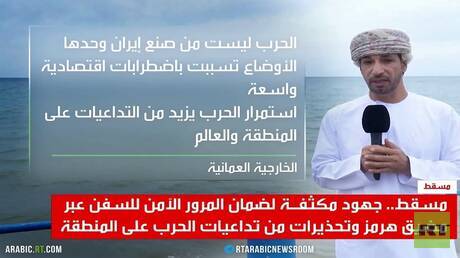
Oman has warned of the extensive economic damage that may arise from the ongoing war in the region, stressing the importance of ensuring safe passage for ships through the Hormuz Strait. Muscat confirmed that it is making intensive efforts to maintain the safety of navigation in this vital corridor, which is a key transit point for oil and natural gas.
These warnings come at a time when the region is witnessing increasing tensions, as the conflict between regional and international powers escalates. Oman has expressed concern over the potential negative impacts on the global economy, especially given the heavy reliance on energy supplies from the Arabian Gulf.
Details of the Situation
In official statements, the Omani Ministry of Foreign Affairs confirmed that the country is working to enhance cooperation with relevant countries to ensure maritime safety. It indicated that any escalation in the conflict could exacerbate economic conditions, negatively affecting global trade.
The Hormuz Strait is considered one of the most important maritime passages in the world, with approximately 20% of the world's total oil passing through it. Therefore, any threat to the freedom of navigation in this strait could lead to increased oil prices and negative impacts on financial markets.
Background & Context
Historically, the Hormuz Strait has witnessed numerous crises and conflicts, serving as a stage for multiple struggles between major powers. Oman has played a significant role as a mediator in many regional disputes, earning a reputation as a supporter of peace and stability in the region.
In recent years, tensions between Iran and the United States have escalated, increasing concerns about the security of navigation in the strait. These tensions have led to heightened military readiness in the region, threatening regional stability.
Impact & Consequences
If the war continues, the economic repercussions will be severe, as oil-importing countries may face rising energy prices, affecting living costs and economic growth. Additionally, any closure of the Hormuz Strait would lead to significant disruptions in global supply chains.
Moreover, the social and political impacts could be profound, as economic crises may lead to internal instability in many countries, exacerbating social and political tensions.
Regional Significance
The Arab countries neighboring the Hormuz Strait are considered the most affected by the ongoing conflict, as their economies heavily depend on oil exports. The continuation of the dispute could worsen economic crises in these countries, increasing pressure on their governments.
In this context, Arab countries must enhance cooperation among themselves to address the economic challenges arising from the conflict and work towards finding diplomatic solutions that ensure regional stability.
In conclusion, Oman's efforts to ensure the safety of navigation through the Hormuz Strait remain crucial in facing the repercussions of the ongoing war. The international community must support these efforts to maintain economic and security stability in the region.