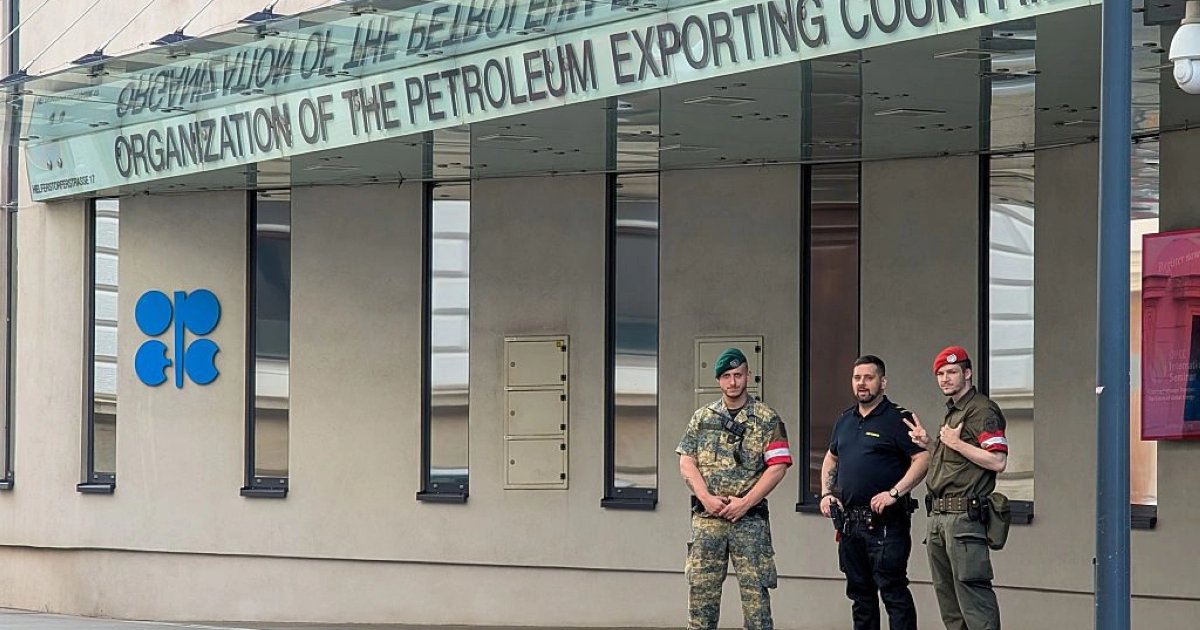
The eight member countries of OPEC+ have underscored the significance of safeguarding international maritime corridors to ensure a continuous energy flow. This statement was made during the 65th meeting of the Joint Ministerial Monitoring Committee, held via video on Sunday. The meeting included representatives from Saudi Arabia, Russia, Iraq, the UAE, Kuwait, Kazakhstan, Nigeria, Algeria, and Venezuela.
The meeting reviewed the current market conditions and emphasized the essential role of the Declaration of Cooperation in supporting the stability of global energy markets. The committee expressed its concern regarding attacks on energy infrastructure, noting that restoring damaged assets to full capacity requires a long time and high costs, which affects the overall availability of supplies.
Details of the Meeting
The committee pointed out that any actions undermining the security of energy supplies, whether through attacks on infrastructure or disruptions to international maritime corridors, increase market volatility and weaken collective efforts under the Declaration of Cooperation to support market stability for the benefit of producers, consumers, and the global economy.
The committee also praised member countries of the Declaration of Cooperation that took the initiative to ensure the continued availability of supplies, particularly through the use of alternative export routes, which contributed to reducing market volatility. The committee will continue to closely monitor market conditions and retains the authority to hold additional meetings or request a ministerial meeting for OPEC and non-OPEC countries.
Background & Context
OPEC+ was established in 2016 as an alliance between member countries of OPEC and some oil-producing countries outside the organization, aiming to stabilize oil prices in global markets. In recent years, there have been significant fluctuations in oil prices due to various factors, including geopolitical tensions and economic crises.
International maritime corridors are vital arteries for energy transportation, through which massive quantities of oil and natural gas pass. Any threat to these corridors can lead to price increases and market volatility, impacting the global economy as a whole.
Impact & Consequences
Market analyses indicate that any attacks on energy infrastructure or disruptions to maritime corridors could lead to increased instability in oil prices, negatively affecting the global economy. Such events may also escalate tensions among energy-producing countries.
Through its recurring meetings, OPEC+ seeks to enhance cooperation among member countries and coordinate policies to ensure market stability. The Declaration of Cooperation is considered one of the main tools to achieve this goal, aiming to reduce production surplus and achieve a balance between supply and demand.
Regional Significance
Arab oil-producing countries are an essential part of OPEC+, playing a crucial role in stabilizing global markets. Any fluctuations in oil prices directly affect the economies of these countries, making it imperative to protect maritime corridors and ensure a continuous flow of supplies.
In light of current challenges, Arab countries must strengthen cooperation among themselves to ensure the stability of energy markets and capitalize on available opportunities to enhance their production and export capabilities.