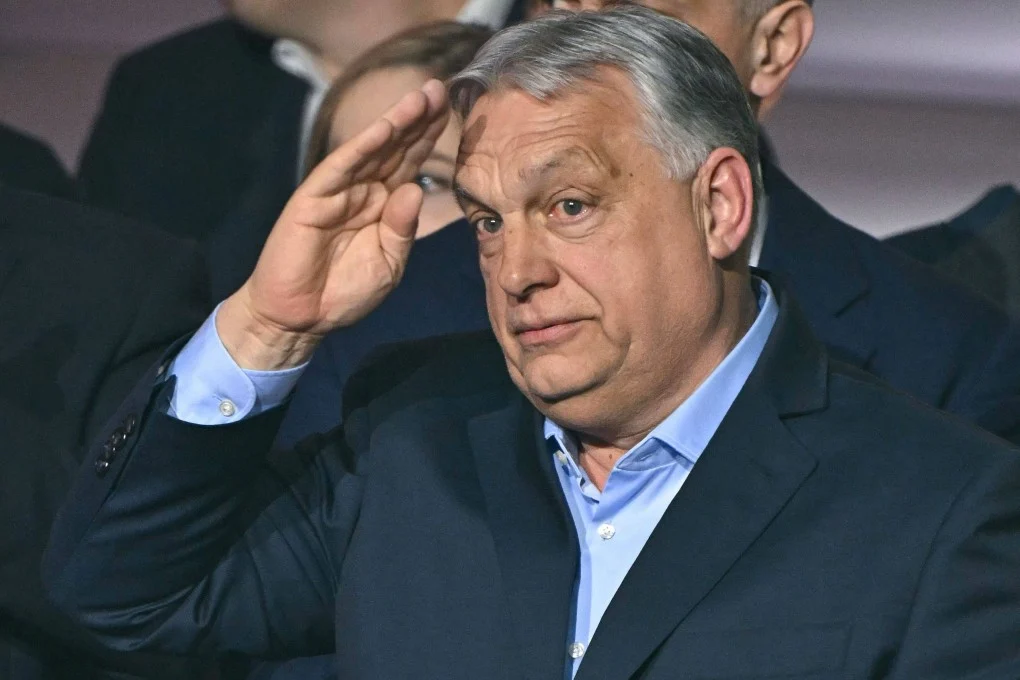
Hungarian Prime Minister Viktor Orban has declared that he will not take his seat in parliament after his party, Fidesz, suffered a crushing defeat in the recent elections. Despite this setback, Orban confirmed his intention to continue as the party leader to lead a renewal process, indicating that his current role requires reorganizing the party rather than being present in parliament.
This decision comes as a surprise to many, as Orban has been one of the most prominent political figures in Hungary since the fall of the communist regime in 1989. He has served as Prime Minister for sixteen years and has a long parliamentary history spanning over 36 years without interruption.
Details of the Event
The defeat faced by Fidesz in the recent elections was a result of significant political and social changes in Hungary. Polls indicated a noticeable decline in the party's popularity, leading to a decisive victory for the opposition. In this context, Orban stated that he feels his presence in parliament is not necessary at this time, preferring to focus on rebuilding and renewing the party.
Orban, who is considered a controversial figure, has faced numerous criticisms during his tenure for policies deemed undemocratic. Nevertheless, he still enjoys a strong support base, which he aims to leverage during the renewal process he intends to undertake.
Background & Context
Historically, Orban has played a pivotal role in reshaping the political landscape in Hungary. After the collapse of communism, he founded Fidesz, which became the main political force in the country. His tenure has been characterized by a focus on strengthening national identity and resisting European pressures, making him a central figure in European politics.
Despite the criticisms, Orban has managed to maintain the loyalty of a large support base, reflecting his influence in Hungarian political life. However, the recent defeat indicates an increasing division within Hungarian society, which may impact the future of the party.
Impact & Consequences
Orban's decision to not go to parliament is a strategic move aimed at rebuilding the party and improving its image following the defeat. This step is expected to influence the political landscape in Hungary, as the party will seek to regain voter trust through leadership renewal and presenting a new vision.
Additionally, these moves may affect relations between Hungary and the European Union, as Orban is known for his hardline stances on certain European policies. The renewal of the party could lead to a shift in its approach to European issues, potentially opening the door for new dialogue with Brussels.
Regional Significance
Although events in Hungary may seem distant from the Arab region, political changes in Europe indirectly affect Arab policies. For instance, European attitudes towards immigration and asylum issues may be influenced by shifts in governance in countries like Hungary.
Moreover, the reshaping of political parties in Europe may inspire some political movements in the Arab world, as many parties seek renewal and adaptation to social and political changes.
In conclusion, Orban's decision to not go to parliament marks a significant shift in Hungarian politics, reflecting the challenges faced by traditional parties amid societal changes. It remains to be seen how this move will affect the future of the party and the political landscape in Hungary.