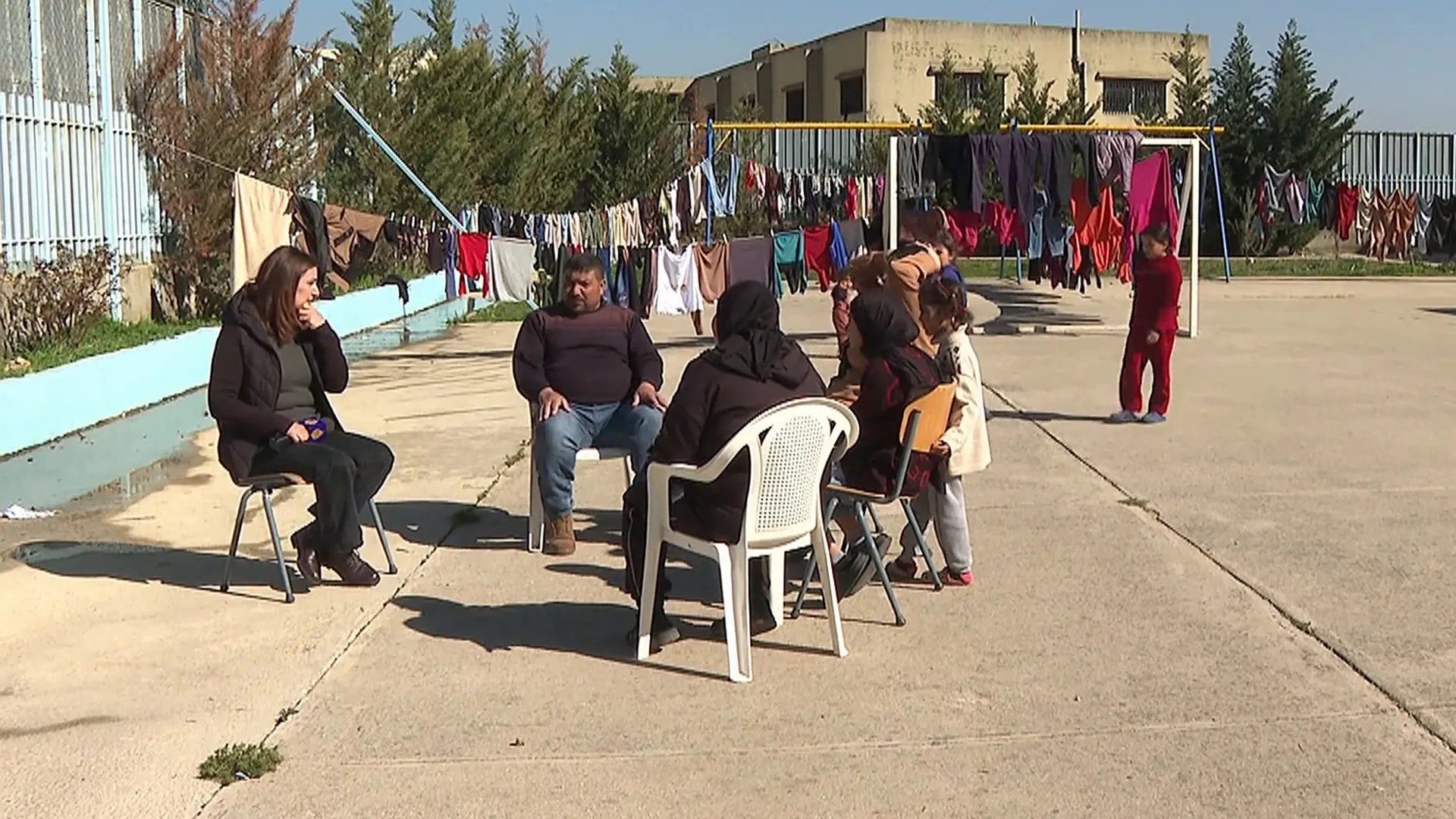
As Israeli bombardments continue in civilian areas of Lebanon, the displacement crisis in the country is worsening, with the number of registered displaced persons surpassing one million. These displaced individuals are living in dire humanitarian conditions, necessitating urgent intervention to provide shelter and basic necessities.
Official reports indicate that southern regions, in addition to Bekaa and Beirut, are experiencing widespread evacuations due to ongoing attacks, exacerbating the suffering of civilians who have lost their homes.
The Israeli military escalation in Lebanon is part of the ongoing conflict between an armed faction and the Israeli army, where air and ground attacks have increased in recent months. This escalation is beginning to have serious social and economic repercussions.
The displaced people live under harsh conditions, and the accumulation of crises is exceeding the capacity of humanitarian organizations to respond. Shortages in food, shelter, and healthcare have become prominent challenges amidst skyrocketing prices and the devaluation of the Lebanese pound.
International and local governmental entities, such as the United Nations High Commissioner for Refugees, are attempting to provide assistance, but the influx of displaced persons is putting additional pressure on available resources. Reports also indicate that some families have been forced to relocate multiple times, increasing psychological distress among children and women.
The difficult circumstances faced by Lebanese displaced persons are not new, as the country has previously witnessed multiple waves of displacement due to political crises and wars. However, the current situation is considered one of the worst, especially in light of the absence of political stability and loss of hope for peace.
This current displacement has far-reaching implications for the entire region. Besides humanitarian impacts, this situation could affect stabilization efforts in Lebanon and regional relations. It has been a long time since Lebanon experienced such a high number of internal displacements, indicating a continuation of chaos and instability in the region.
Lebanon, which is clearly facing economic and social crises, needs deeper and more sustainable support from the international community. It requires regional and international cooperation to address the growing sense of frustration and anxiety among the most vulnerable populations.
This displacement has become a concern not only for the Lebanese government but also for neighboring countries and regional organizations, necessitating a comprehensive solution that ensures human rights and the safety of refugees simultaneously.
In conclusion, the situation in Lebanon due to the humanitarian displacement crisis highlights the urgent need for humanitarian intervention that supports the affected and enhances security and stability throughout the country.