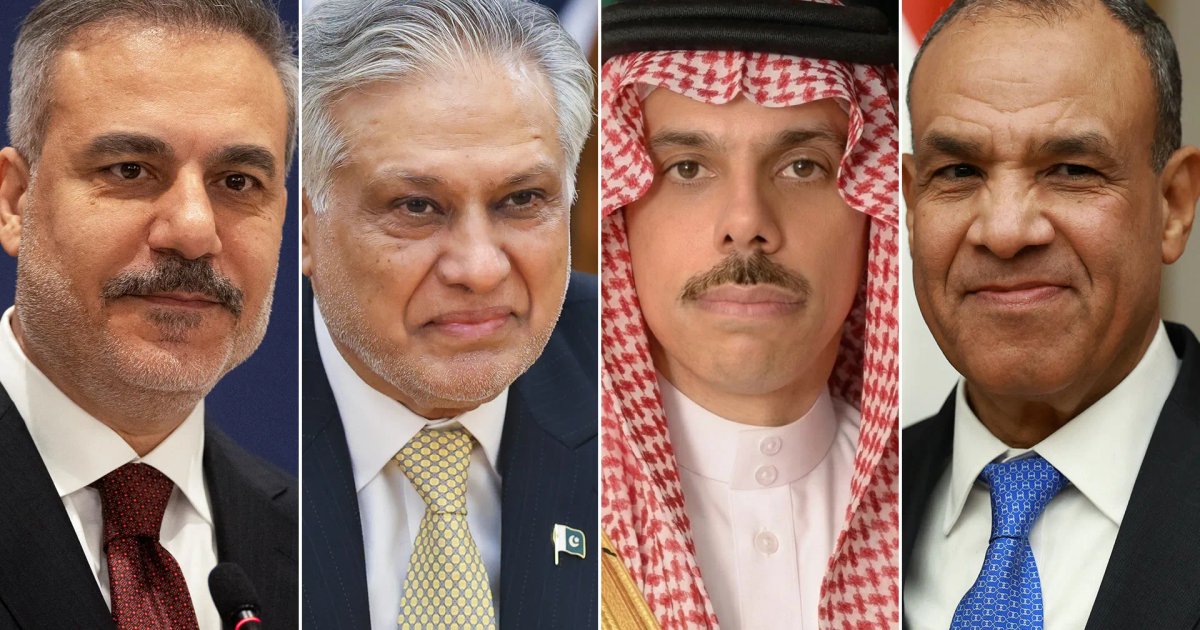
All eyes are on Pakistan, which is striving to convene a quad meeting that includes Turkey, Egypt, and Saudi Arabia, aimed at reducing the escalation between the United States and Iran. This initiative comes at a time when the Middle East is witnessing an increase in military confrontations, necessitating urgent diplomatic actions.
Abdul Rahman Matar, the director of Al Jazeera's office in Pakistan, revealed the intensive efforts to hold this meeting in Islamabad, which aims to achieve a calming of the tense situations. This meeting is considered part of Pakistan's efforts to be a key mediator in the crisis, despite varying opinions on the chances of success for this initiative.
Details of the Event
Amid the escalation of military operations and multiple fronts of conflict, Pakistan's role as a potential mediator between Washington and Tehran has emerged. Richard Weitz, a security and military strategy expert, pointed out that Pakistan has good relations with both parties, making it well-positioned to facilitate dialogue. Weitz confirmed that there are opportunities to open a negotiation pathway if consensus is reached on the issues at hand.
He also clarified that there is an overlap between the points raised by the U.S. administration and those presented by the Iranian side; however, the priorities differ between the two parties, especially regarding sensitive files such as the Strait of Hormuz.
Background & Context
Historically, relations between the United States and Iran have seen increasing tensions, particularly after Washington's withdrawal from the nuclear agreement in 2018. This step led to an escalation of military tensions, prompting regional parties to seek mediations aimed at containing the crisis. Pakistan, which maintains relations with both parties, is now looking to leverage these ties to ease tensions.
In this context, some experts believe that diplomatic efforts could be fruitful, despite the existing crisis of trust between the two sides. Ali Saleh, a professor of Iranian studies, noted that the conditions set by Washington represent unrealistic demands, reflecting a lack of seriousness in diplomatic behavior.
Impact & Consequences
The repercussions of this potential meeting extend beyond Pakistan, as it could affect the stability of the entire region. While military operations are on the rise, some consider these efforts to be an opportunity to re-launch dialogue between the two sides. However, the question remains about the willingness of the parties to engage in genuine negotiations.
On the other hand, Mohammad Halsa, an expert on Israeli affairs, believes that Israel may lean towards expanding the scope of the war, based on field indicators that support this trend. He points out that Tel Aviv sees the introduction of new parties into the conflict as beneficial for achieving its strategic objectives.
Regional Significance
This anticipated meeting represents an opportunity for Arabs to play a larger role in resolving regional disputes. If Pakistan succeeds in making progress in this direction, it could contribute to enhancing stability in the region and provide a boost to diplomatic efforts aimed at ending ongoing conflicts.
In conclusion, the fate of this meeting hangs in the balance, depending on the seriousness of the involved parties in engaging in constructive dialogue, at a time when security and economic challenges in the region are increasing.