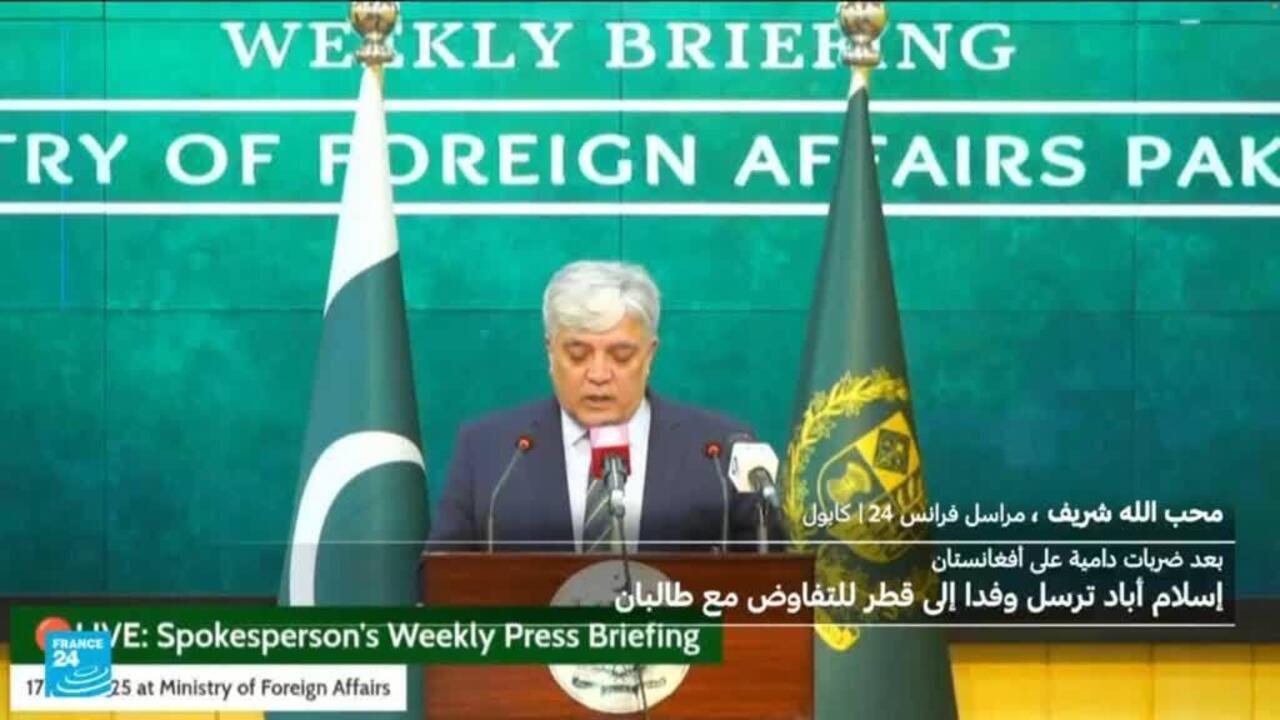
Pakistani Prime Minister Shahbaz Sharif proposed on Tuesday that his country host talks between the United States and Iran, aiming to end the ongoing conflict in the Middle East and contain escalating regional tensions. This offer comes at a time when the region is experiencing heightened tensions, particularly due to ongoing conflicts in several countries, which calls for intensive diplomatic efforts.
Pakistan, which has historical ties with both Washington and Tehran, seeks to play a mediating role in these talks, reflecting its desire to enhance its regional and international standing. Sharif emphasized that his country is ready to provide all necessary facilities to ensure the success of these negotiations, pointing to the importance of dialogue in achieving peace and stability in the region.
Details of the Proposal
In his statements, Shahbaz Sharif noted that Pakistan hopes these talks will contribute to easing tensions between the United States and Iran, whose relations have significantly deteriorated in recent years. Both Tehran and Washington have shown interest in finding diplomatic solutions, especially following the escalation of events in Iraq and Syria, where American and Iranian interests heavily overlap.
This offer comes at a sensitive time, as fears of a potential military escalation in the region are increasing, which could lead to catastrophic consequences for security and stability. Pakistan has expressed its readiness to serve as a platform for dialogue, reflecting its role as a pivotal state in achieving peace in the region.
Background & Context
Historically, Pakistan has played an important role in regional politics, having maintained close ties with the United States since the Cold War. At the same time, it has maintained relations with Iran, making it well-positioned to act as a neutral mediator. Relations between Iran and the United States have been severely strained since Washington's withdrawal from the Iranian nuclear deal in 2018, leading to the imposition of severe economic sanctions on Tehran.
In recent years, conflicts in the Middle East have intensified, particularly in Iraq and Syria, where both American and Iranian forces are present. This complex situation requires intensive diplomatic efforts to avoid escalating the conflict, which Pakistan aims to achieve by hosting these talks.
Impact & Consequences
If Pakistan succeeds in hosting these talks, it could have a significant impact on regional security. Dialogue between the United States and Iran could lead to a reduction in tensions, contributing to stability in the region. Additionally, the success of these negotiations could enhance Pakistan's status as an influential player in regional politics, granting it a larger role in international issues.
On the other hand, Pakistan may face significant challenges if these talks fail, as this could exacerbate security conditions in the region, negatively affecting its internal stability and relations with major powers.
Regional Significance
The Arab region is an integral part of the regional equation, significantly affected by tensions between Iran and the United States. Any progress in the talks could positively impact Arab countries, especially those suffering from conflicts like Iraq and Syria. Furthermore, stabilizing relations between Tehran and Washington could help reduce sectarian and political conflicts in the region.
Ultimately, Pakistan's offer to host these talks represents an important step towards achieving peace in the Middle East. It remains to be seen how events will unfold and whether the involved parties will respond to this invitation, but there is hope that these efforts will contribute to ending the conflict and achieving the desired stability.