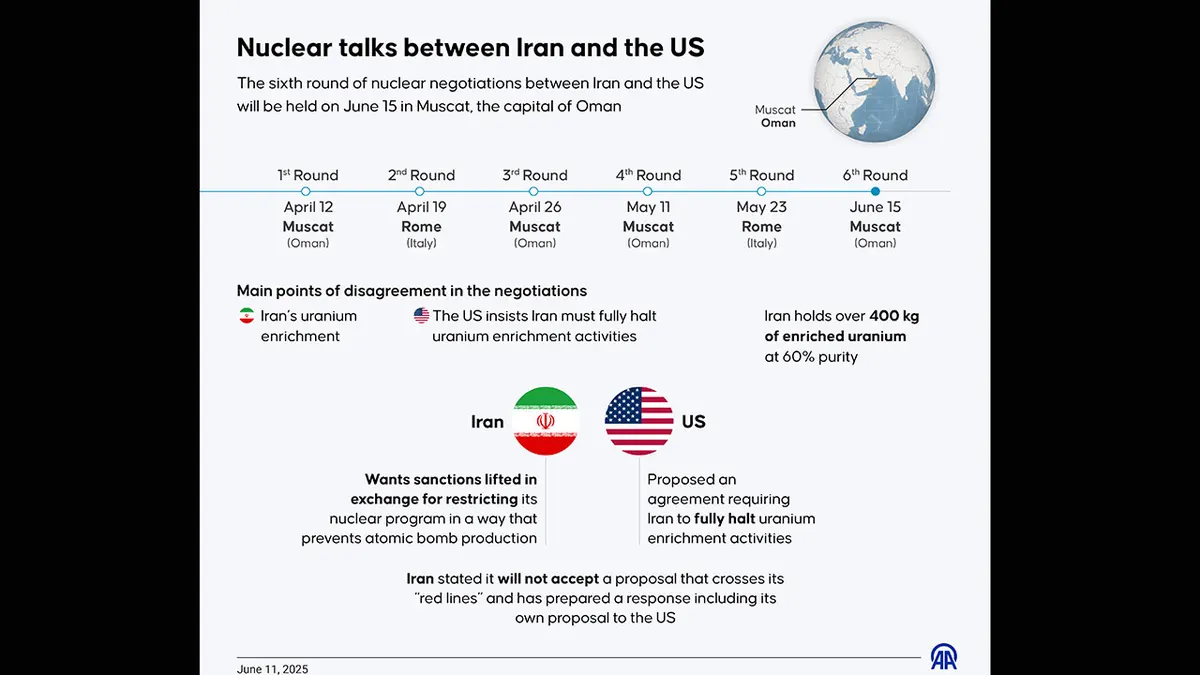
Pakistan is pursuing a diplomatic breakthrough by bringing the United States and Iran to the negotiation table. This initiative comes amid rising tensions between the two countries, raising questions about its potential success.
Amid multiple crises affecting the region, Pakistan is emerging as a key player in attempting to bridge the views between Tehran and Washington. Islamabad aims to leverage its historical relationships with both parties to facilitate dialogue and seek peaceful solutions to ongoing disputes.
Details of the Initiative
Diplomatic sources have reported that Pakistan has already begun informal talks with officials from both the United States and Iran. These discussions aim to identify possible points of convergence between the two sides, especially in light of the escalating tensions surrounding Iran's nuclear program.
This move follows a series of reciprocal statements from both sides, with Washington emphasizing the need for Tehran to adhere to the nuclear agreement, while Iran continues to assert its rights to develop its nuclear program. In this context, Pakistan believes that dialogue is the optimal way to alleviate tensions.
Background & Context
Historically, Pakistan has maintained good relations with Iran, despite some border tensions. The United States also regards Pakistan as a strategic ally in South Asia. However, relations between Washington and Tehran have significantly deteriorated since the U.S. withdrawal from the Iranian nuclear deal in 2018.
Pakistan is now seeking to exploit these relationships to become an effective mediator in peace talks. The Pakistani government has expressed its readiness to provide diplomatic facilitation, reflecting its desire to enhance its regional role.
Impact & Consequences
If Pakistan succeeds in bringing both parties to the negotiation table, it could lead to a de-escalation of tensions in the region, positively impacting regional security. Furthermore, the success of this initiative could bolster Pakistan's standing as a reliable diplomatic mediator in international disputes.
On the other hand, the failure of these talks could exacerbate crises and heighten tensions between Iran and the United States, negatively affecting the stability of the entire region.
Regional Significance
The relations between Washington and Tehran are pivotal in determining the future of security and stability in the Middle East. Any progress in negotiations could pave the way for easing situations in conflict areas like Iraq and Syria, where Iranian and American interests significantly overlap.
Moreover, Pakistan's success in this initiative could encourage other countries in the region to take similar steps toward enhancing dialogue and peace, contributing to building a more stable environment.
As attention remains focused on Pakistan, the outcomes of its efforts to bring Washington and Tehran to the negotiation table are awaited. The success of this initiative could represent a turning point in the relations between the two nations and enhance Pakistan's role as a diplomatic mediator in the region.