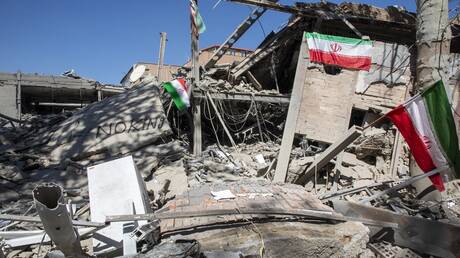
Palestinian factions have congratulated Iran following the ceasefire agreement, praising the move as a strategic victory. The factions emphasized that this agreement reflects Iran's capability to maintain its sovereignty and impose its conditions in light of escalating pressures from the United States and Israel.
This congratulatory message comes at a sensitive time in the region, as Palestinian factions seek to strengthen their ties with Iran, which is considered a key ally in supporting the Palestinian cause. Through their statements, the factions have indicated that this agreement serves as evidence of Iran's strength in facing regional and international challenges.
Details of the Ceasefire Agreement
The ceasefire agreement was announced after rounds of military tensions, during which the region witnessed an escalation in military operations between Palestinian factions and Israeli forces. This agreement followed international and local mediations, reflecting the importance of dialogue in resolving conflicts.
Palestinian factions, including Hamas and Islamic Jihad, asserted that this agreement is not merely a ceasefire but a step towards achieving larger goals within the context of the Israeli-Palestinian conflict. They pointed out that Iran has played a pivotal role in supporting these factions over the past years, thereby strengthening their position in the political arena.
Background & Context
Historically, Iran has been a major supporter of Palestinian factions, providing military and financial assistance. This support is part of the ongoing conflict with Israel, which has spanned several decades. This relationship has contributed to enhancing the position of Palestinian factions on the regional stage.
In recent years, relations between Iran and Palestinian factions have grown closer, particularly amid increasing tensions with the United States. This rapprochement reflects a shift in regional strategies, as factions aim to bolster their military and political capabilities.
Impact & Consequences
This agreement is expected to have significant implications for the Israeli-Palestinian conflict. It could strengthen the position of Palestinian factions in future negotiations and increase pressure on Israel. Additionally, this agreement may pave the way for further Iranian support for the factions, potentially leading to heightened tensions in the region.
The consequences may also include reactions from the United States and Israel, which might seek to take countermeasures. This could complicate the political landscape in the region and highlight the challenges faced by the various parties involved.
Regional Significance
This agreement may also affect relations between Arab countries and Iran. Some nations may express concerns over the growing Iranian influence in the region, which could lead to further divisions. At the same time, some may view the strengthening of relations between Palestinian factions and Iran as a contribution to supporting the Palestinian cause.
Ultimately, this event represents a turning point in the Israeli-Palestinian conflict and reflects the dynamic changes in regional relationships. The current situation requires careful monitoring by all concerned parties, as any escalation or de-escalation could impact the future of the region.