In a move aimed at supporting the local economy, the Palestinian private sector announced its commitment to not increase prices of basic goods during April. This initiative comes at a time when Palestinian citizens are facing increasing economic challenges, reflecting the private sector's dedication to alleviating burdens on the populace.
This step is significant given the current conditions affecting the Palestinian economy, where families are experiencing heightened pressures due to rising living costs. Many traders and businesspeople have expressed their willingness to absorb additional costs rather than pass them on to consumers.
Details of the Commitment
Representatives from the private sector reported that they agreed to maintain the prices of basic goods, including food items and other consumer goods, throughout this month. This decision is part of joint efforts between the government and the private sector to ensure price stability in local markets.
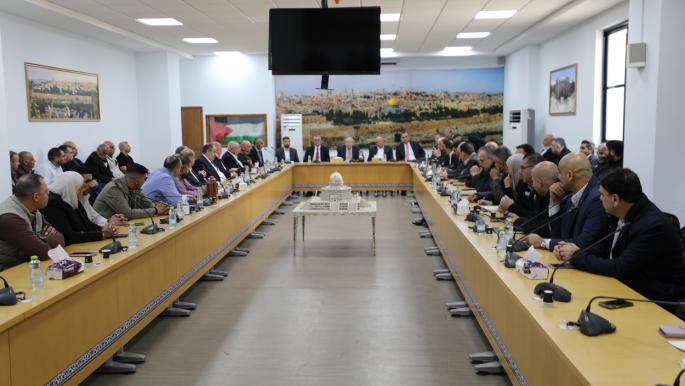
It was also emphasized that this commitment would help enhance trust between consumers and traders, reflecting a spirit of cooperation in addressing economic challenges. This decision was announced during a press conference held in Ramallah, attended by several businesspeople and investors.
Background & Context
This announcement comes at a sensitive time for the Palestinian economy, which suffers from the repercussions of occupation and blockade, significantly affecting living standards. In recent years, there has been a rise in the prices of basic goods, exacerbating the hardships faced by Palestinian families.
Historically, the Palestinian private sector has always been part of the economic solutions, striving to balance profitability with community needs. In light of recurring crises, the importance of cooperation between the public and private sectors to achieve economic stability becomes evident.
Impact & Consequences
This commitment is expected to contribute to improving the living conditions of Palestinian citizens, as it will help alleviate the financial pressures they face. Additionally, price stability may enhance business activity and stimulate local consumption.
In the long term, this decision could bolster confidence in the Palestinian economy, potentially attracting more investments and fostering economic growth. This commitment serves as a positive message to the international community regarding the Palestinians' ability to manage their economy effectively despite challenges.
Regional Significance
This step serves as a model for the region, where many Arab countries face similar economic challenges. This initiative could inspire other countries to adopt similar policies aimed at supporting citizens during times of crisis.
Moreover, cooperation between the public and private sectors in Palestine can be a benchmark for enhancing economic stability in the region, contributing to sustainable development.
The commitment of the Palestinian private sector to freeze prices reflects a spirit of cooperation and solidarity in facing economic challenges. Citizens hope that these efforts will continue to achieve stability and prosperity in the future.