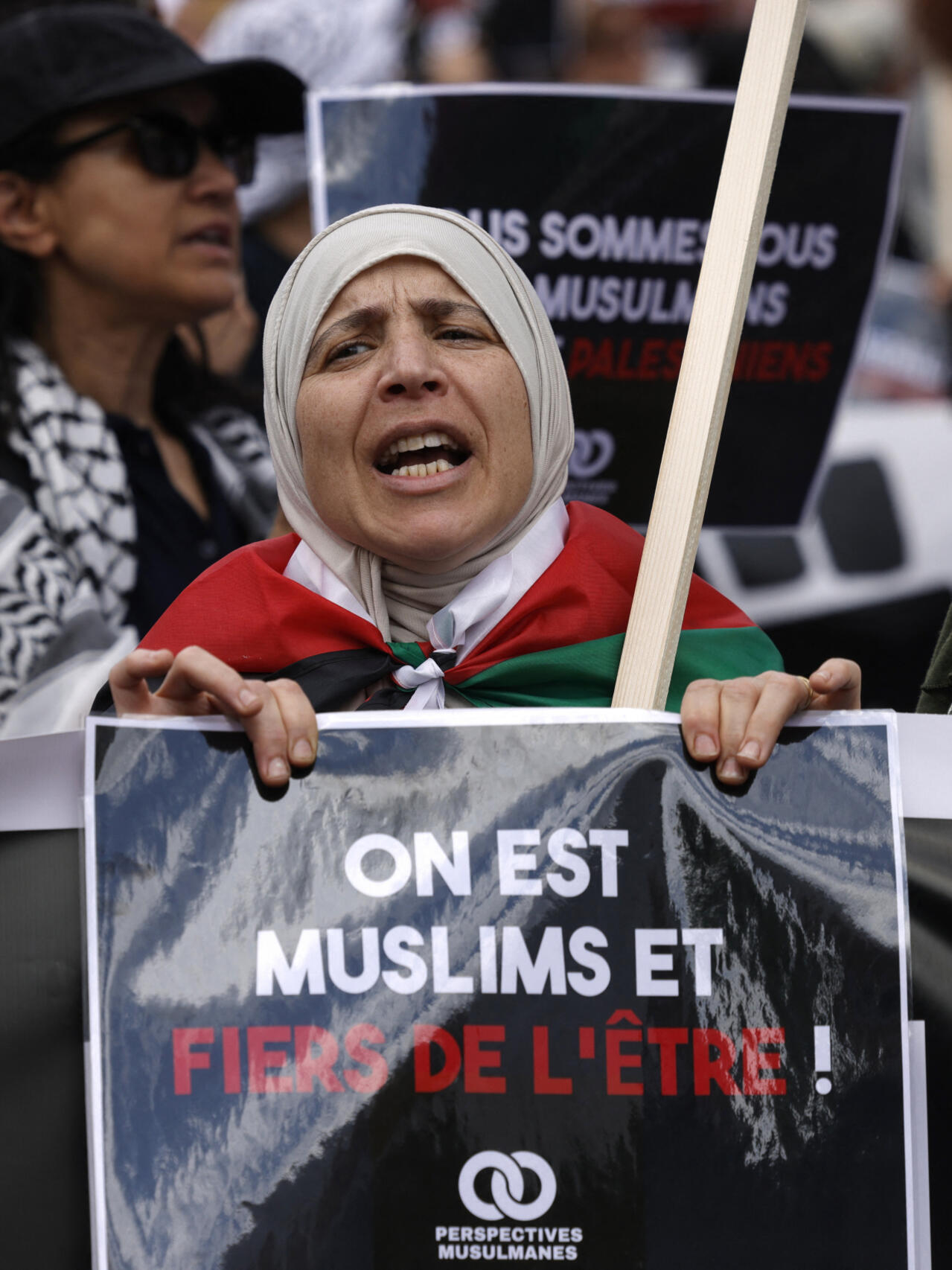
On Friday, April 3, the administrative court in Paris granted permission for the Muslim conference in France, rejecting the government's reasons for banning the gathering, including fears of far-right terrorist threats. This decision comes at a sensitive time as concerns grow among representatives of the Islamic community in France about increasing government pressures on their rights to express and assemble.
The conference, which was scheduled to take place in the French capital, is considered an important platform for discussing issues facing Muslims in France, including the challenges they encounter amid the rise of anti-Islamic rhetoric. The government's decision to ban the conference raised widespread concern among Islamic circles, which viewed it as an attempt to undermine their rights.
Event Details
In its ruling, the court affirmed that the government did not provide sufficient evidence to support its claims regarding potential security risks associated with the conference. This ruling came after a lawsuit was filed by the conference organizers, who argued that banning the gathering constitutes a violation of their fundamental rights. Many representatives of the Islamic community expressed relief at this decision, considering it a victory for freedom of expression.
On the other hand, the French government remains steadfast in its position, expressing concern that the conference could be exploited by extremist groups. However, the court found that these concerns were insufficient to justify banning the gathering, highlighting the ongoing tension between the government and the Islamic community in the country.
Background & Context
Historically, France has witnessed increasing tensions between the government and the Islamic community, especially following a series of terrorist attacks that occurred in recent years. These events have led to heightened feelings of fear and anxiety regarding Islamophobia, as Muslims have increasingly been targeted by certain political and media groups. In this context, the conference is seen as an opportunity for the Islamic community to publicly express their issues and concerns.
Additionally, the French government, under President Emmanuel Macron, has taken numerous steps to address what it perceives as threats from Islamic extremism, resulting in tightened laws regarding Islam in the country. This has sparked widespread debate about how to balance security with individual rights, especially amid increasing social and political pressures.
Impact & Consequences
The court's decision serves as a strong message to the French government that fundamental rights must be respected, even amid security concerns. This ruling may encourage more events and activities that express the voice of the Islamic community, potentially leading to enhanced dialogue among various parties in French society.
Conversely, this decision could escalate tensions between the government and Islamic groups, as the government may be seen as unable to control the security situation. This could complicate the government's efforts to address issues of extremism and terrorism in the country.
Regional Significance
In a broader context, this event illustrates how issues of human rights and fundamental freedoms are central to global discussions, especially in countries experiencing rising social tensions. The French experience may serve as a model to emulate or caution against in other Arab countries, where governments face similar challenges in dealing with minority issues and human rights.
In conclusion, the administrative court's decision in Paris represents an important step toward promoting freedom of expression and the rights of Muslims in France, highlighting the importance of dialogue and understanding among different cultures and religions in addressing contemporary challenges.