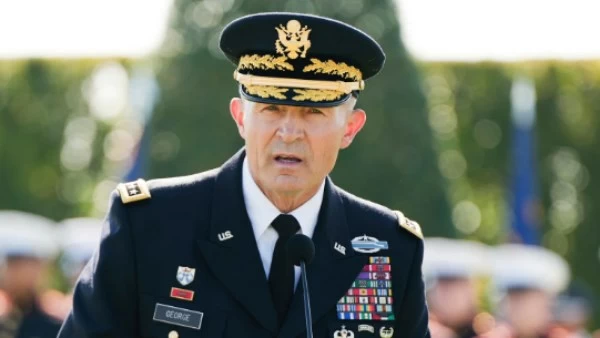
The US Department of Defense (Pentagon) announced on Thursday the immediate resignation of General Randy George from his position as Chief of Staff of the US Army. The official Pentagon account on the platform 'X' confirmed that General George, who held this position as the forty-first Chief of Staff, will retire effective immediately, expressing gratitude for decades of loyal service to the nation.
This move comes after a US official reported that Defense Secretary Pete Hegseth requested George's resignation, a claim also confirmed by reports from Reuters and CBS News, which indicated that Hegseth asked George to 'step down immediately.' This decision is part of a series of dismissals that have occurred within the US military leadership since Hegseth took office last year.
Details of the Event
General Randy George, who has led the US Army since 2021, faced significant challenges during his tenure, including managing military and political crises in various conflict zones. He was appointed to this position at a time when the United States was facing numerous security challenges, including tensions with China and Russia.
It is noteworthy that Hegseth, who assumed the role of Secretary of Defense in President Joe Biden's administration, has made radical changes in military leadership, having dismissed over 12 generals and naval leaders since taking office. These changes reflect Hegseth's strategy to restructure the US military leadership in line with current challenges.
Background & Context
Historically, the US military leadership has undergone numerous changes in high-ranking positions, often linked to the domestic and foreign policies of the government. Since Biden took office, there has been a focus on updating military strategies to address increasing threats from countries like China and Russia, leading to a reassessment of the roles of military leaders.
General George, who began his military career in 1986, played a prominent role in many US military operations, including the wars in Iraq and Afghanistan. However, the changes in leadership reflect the need for renewed ideas and strategies in light of changing circumstances.
Impact & Consequences
The dismissal of General George signifies a radical shift in US military leadership and may affect future military strategies. These changes could lead to a reassessment of the roles and missions assigned to military leaders, potentially impacting US military operations abroad.
This step may also raise questions about stability within the US Army, especially given the significant challenges the country faces both domestically and internationally. Frequent changes in leadership could lead to instability in making crucial military decisions.
Regional Significance
As the Arab region experiences numerous tensions and conflicts, changes in US military leadership may influence US policies towards the Middle East. The United States plays a pivotal role in many conflicts in the region, including the struggles in Syria and Iraq, as well as relations with Iran.
These changes indicate that the US may reassess its military strategies in the region, which could affect political and military balances in the Middle East. It is crucial for Arab countries to closely monitor these developments, as any shift in US policy could directly impact the situation in the region.
In conclusion, the dismissal of General Randy George marks a turning point in US military leadership and may pave the way for further changes in the near future.