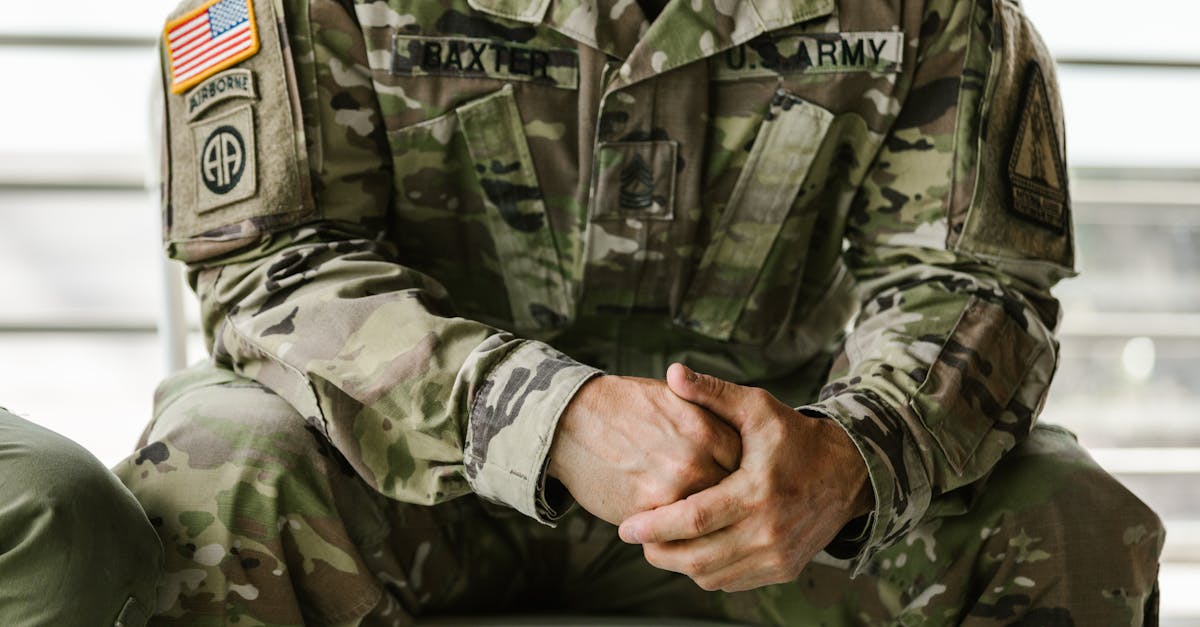
The Pentagon has reported that the ongoing war with Iran has resulted in the deaths of 13 American soldiers and injuries to 265 others. These figures come at a sensitive time as tensions in the region escalate, highlighting the risks faced by U.S. forces in the Middle East.
These statistics are part of the Pentagon's regular report on casualties within the U.S. military, representing a significant increase in the number of casualties compared to previous periods. The war with Iran, which began several years ago, has led to a continuous escalation of military operations, raising concerns about the future of U.S. forces in the region.
Details of the Incident
According to reports, the casualties suffered by the U.S. military come in the context of multiple military operations against Iranian targets in Iraq and Syria. Recent months have seen an escalation in attacks, including missile strikes targeting U.S. military bases. This escalation reflects the increasing tensions between the United States and Iran, which began after the U.S. withdrawal from the nuclear agreement in 2018.
The U.S. military operations in the region involve targeting sites associated with the Iranian Quds Force, which is considered the military arm of the Iranian Revolutionary Guard. These operations have provoked strong reactions from the Iranian side, complicating the security situation in the region.
Background & Context
The roots of the conflict between the United States and Iran date back decades, with relations between the two countries experiencing increasing tensions since the Iranian Revolution in 1979. Since then, the United States has taken several steps to contain Iranian influence in the Middle East, including imposing economic and military sanctions.
In recent years, the intensity of the conflict has notably escalated, especially following attacks on oil facilities in Saudi Arabia, which Iran was accused of orchestrating. This escalation has prompted the United States to bolster its military presence in the region, contributing to heightened tensions.
Impact & Consequences
These figures underscore the risks faced by U.S. forces in the Middle East and may lead to changes in U.S. military strategy in the region. The United States may be compelled to reassess its military presence, especially amid increasing pressure from Congress and American public opinion.
Moreover, the rising casualties among U.S. troops could impact relations between the United States and its allies in the region, as some allies may express concerns about the continuation of U.S. military support under these circumstances.
Regional Significance
Arab countries are directly affected by the escalating tensions between the United States and Iran, as many of these nations believe that any military escalation could lead to destabilization in the region. Additionally, the continuation of the war may impact oil prices and increase economic uncertainty in the area.
In light of these circumstances, Arab countries must be prepared to deal with any potential repercussions that may arise from the escalation of the conflict, including the flow of refugees and increased sectarian tensions.
The situation in the region remains tense, and it appears that the war with Iran will continue to affect security and stability in the Middle East. The current situation requires a coordinated response from the international community to ensure that the conflict does not escalate further.