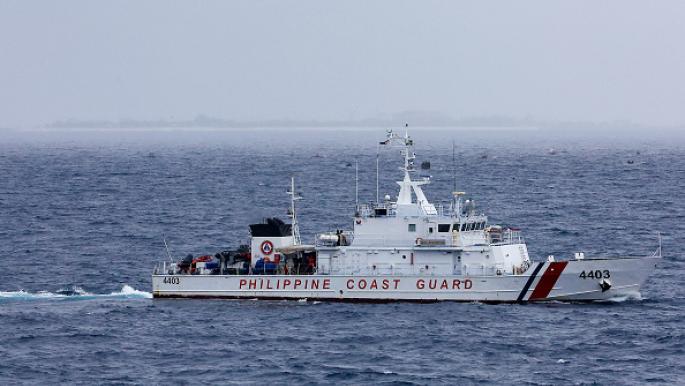
On Tuesday, the Philippines announced plans to rename over 100 sites in the Spratly Archipelago, in a move aimed at enhancing its sovereignty in the disputed South China Sea. This initiative is part of the Philippine government's efforts to bolster its position in this regional dispute.
The Spratly Archipelago, which consists of a group of islands and maritime features, is a point of contention among several countries, including China, Vietnam, Malaysia, and Brunei. This Philippine action is seen as part of a broader strategy to strengthen national identity and sovereign rights in the region.
Details of the Announcement
The Philippine government stated that the renaming includes over 100 sites, including islands and maritime features, under a new law aimed at enhancing national sovereignty. The new sites were identified by the Philippine Geographic Authority, which noted that this move comes at a sensitive time as tensions in the South China Sea are escalating.
This announcement follows a series of maritime skirmishes between Philippine and Chinese forces, as both countries seek to assert their rights in the region. Philippine officials indicated that this step reflects the government's commitment to protect the country's interests in the face of external challenges.
Background & Context
Historically, the South China Sea has witnessed long-standing disputes among the countries bordering it, with China claiming historical rights to the area, while the Philippines asserts its sovereign rights under international law. In 2016, the Philippines received a ruling from the Permanent Court of Arbitration in The Hague, which affirmed its rights in certain disputed areas, but China has not recognized this ruling.
The Spratly Archipelago is among the richest maritime areas in terms of resources, making it a focal point for many nations. With rising tensions, the Philippines aims to strengthen its position through symbolic actions like renaming, which reflect its desire not to concede its rights.
Impact & Consequences
This move could escalate tensions between the Philippines and China, as Beijing may respond to these actions by increasing its military presence in the region. Additionally, this step could affect diplomatic relations between the two countries, complicating the situation in the South China Sea.
Regionally, this action may also influence other countries bordering the South China Sea, potentially encouraging them to take similar steps to assert their sovereign rights. Consequently, these developments could lead to changes in the regional dynamics of the area.
Regional Significance
While the dispute in the South China Sea may seem distant from the Arab region, regional tensions in any part of the world can impact global stability. Any escalation in the conflict could have indirect effects on energy markets and global trade, reflecting on Arab countries that rely on energy imports and international trade.
In conclusion, the Philippines' decision to rename sites in the Spratly Archipelago reflects the ongoing challenges in the South China Sea and highlights the importance of national sovereignty amid rising regional tensions.