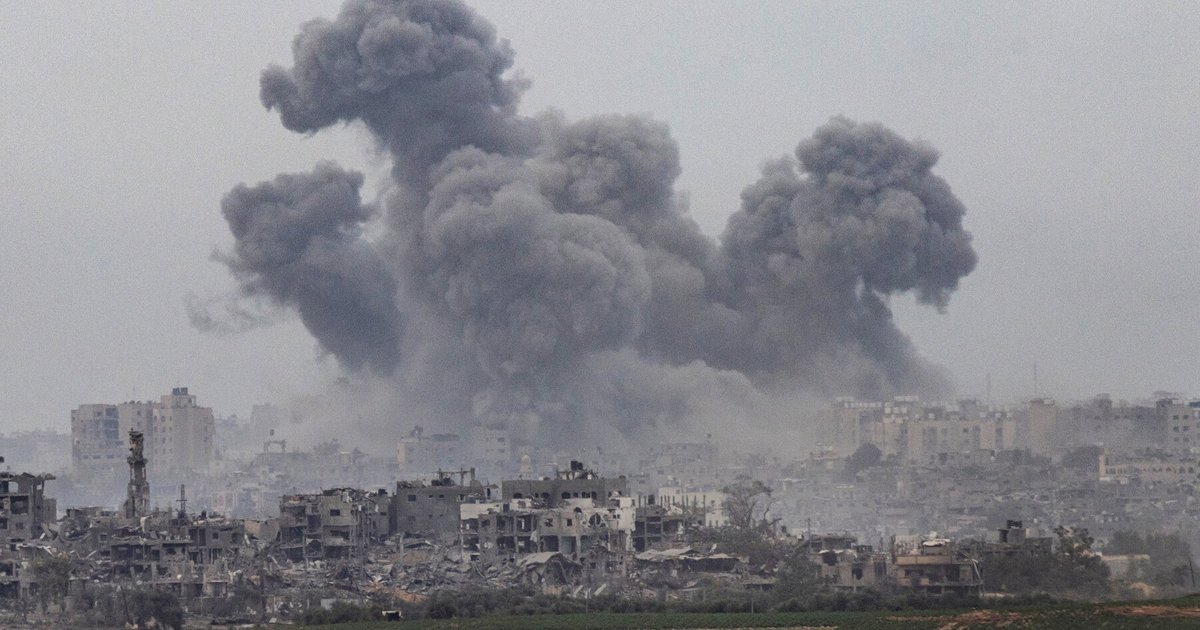
An Israeli opinion poll conducted on Tuesday shows that 57% of Israelis believe that Tel Aviv has not achieved victories in any of the wars it has fought since October 7, 2023.
Since that date, Israel has launched wars against Gaza, Lebanon, and Iran, in addition to attacks in Yemen and Syria, and military operations in the occupied West Bank.
Details of the Event
According to the Israeli Broadcasting Authority, which published the poll, the majority of Israelis believe that the Israeli military has not achieved any victories on the battlefield since the events of October 7. 28% of respondents indicated that Israel has won at least one battle, while 15% answered with "I don't know."
The poll also revealed that 73% of Israelis consider the continued presence of Hezbollah and Hamas in their current state, without disarming them, to be a renewed threat against Israel, warning of a repeat of what occurred during the Al-Aqsa Flood attacks.
Context and Background
On the morning of October 7, 2023, the largest operation of Palestinian resistance in Gaza against Israel, known as the "Al-Aqsa Flood," took place. This operation involved ground, naval, and aerial attacks on Israeli military bases and settlements adjacent to the Gaza Strip, leading to a significant escalation in the conflict.
Politically, another poll showed a decline in the party of Israeli Prime Minister Benjamin Netanyahu—who ordered the three wars against Gaza, Lebanon, and Iran—falling to second place, after a new coalition named "Together" topped the voting trends.
Implications and Effects
The poll was conducted following the announcement of the merger of former Prime Ministers Naftali Bennett and Yair Lapid's parties into a political alliance called "Together." According to the poll results, the "Together" party would secure 26 seats in the Knesset, surpassing Netanyahu's Likud party, which came in second with 25 seats, the same tally recorded in the previous poll.
This situation presents the Israeli Prime Minister with a complex electoral equation, as his camp does not have a guaranteed majority in the upcoming elections, despite Likud still being the largest party according to the Israeli Broadcasting Authority.
Impact on the Arab Region
These results indicate a decline in confidence in the Israeli military's ability to achieve victories, which may affect stability in the region. Additionally, the ongoing tensions between Israel and resistance movements such as Hamas and Hezbollah could lead to a new escalation in the conflict.
In conclusion, these opinion polls reflect a state of anxiety and uncertainty among Israelis, which may impact Israel's internal and external policies in the future.