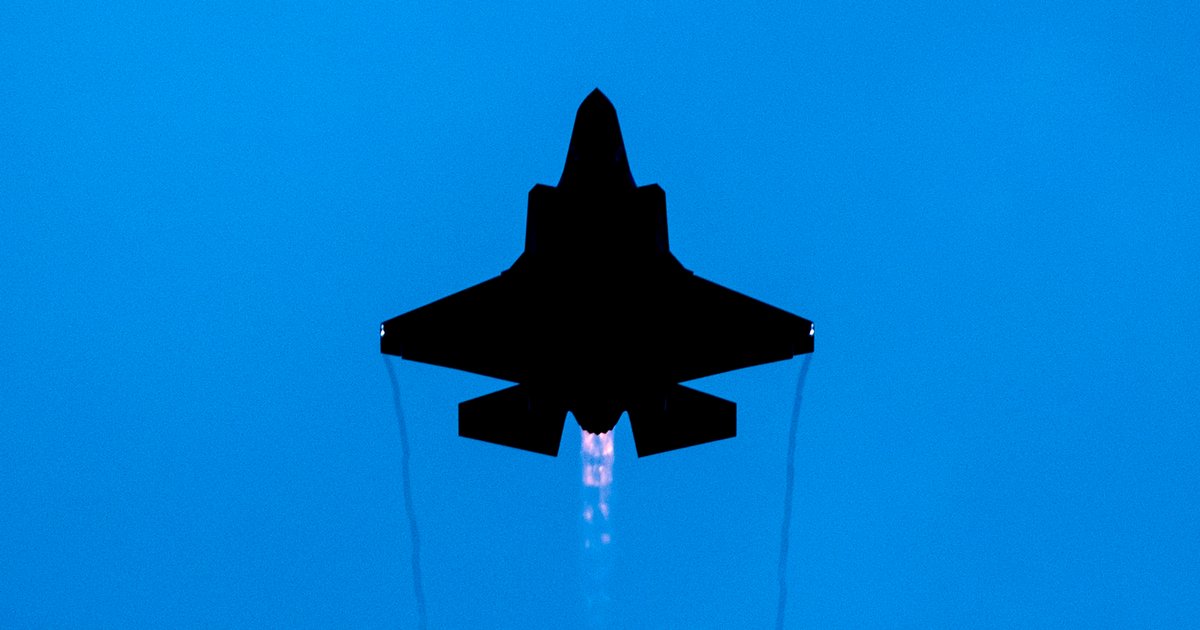
Pope Leon, the first pope from the United States, called for a ban on military airstrikes during a meeting with employees of the Italian airline ITA, citing these operations as indiscriminate actions that threaten innocent lives. This statement comes at a time when the world is grappling with an escalation of conflict in the region, as the U.S.-Israeli war against Iran enters its fourth week.
During the meeting, Pope Leon stated that "no one should fear the threats of death and destruction that may come from the sky," explaining that after the tragic experiences witnessed in the twentieth century, airstrikes should be banned forever. He added, "These operations still exist today, which is a regression, not progress."
Details of the Event
Pope Leon, who has recently taken office, is known for his anti-war stance and opposition to the use of violence by nations to resolve conflicts. In his recent statements, he did not directly address the details of the ongoing conflict on Iranian soil, but his presence during these difficult times and his announcement of his position sends a strong message about the need for peace and stability.
The Pope has repeatedly called for a ceasefire in the Iranian conflict, indicating in one of his statements that the conflict is a "scandal for the entire human family," given the massive destruction and suffering of civilians occurring there.
Background & Context
Historically, the twentieth century witnessed numerous wars that left painful legacies on peoples and nations. Airstrikes were heavily used in major conflicts such as World War II and the Vietnam Wars, resulting in the deaths and displacement of millions of civilians. As modern conflicts escalate, it seems that those lessons have not been adequately learned, as many countries continue to use air power against civilians.
The pressures faced by communities in conflict areas like the Middle East will remain a subject of global concern, especially in light of the economic and social disparities that lead to rising extremism and wars.
Impact & Consequences
Pope Leon's statements indicate a shift in the religious and moral discourse surrounding military conflicts. With strong words, he advocates for humanitarian values and peace, which may prompt leaders around the world to reconsider their military strategies. These statements could influence political decision-making in countries involved in conflicts.
While Pope Leon's support for peace may be welcomed by many, there are concerns that such positions may face strong opposition from parties that benefit from conflicts.
Regional Significance
In the Arab region, Pope Leon's statement reflects growing concerns over the deteriorating security situation. Arab countries have experienced successive conflicts during which airstrikes were used, leading to widespread humanitarian suffering. The Pope's calls to avoid violence should be taken seriously by Arab leaders advocating for the restoration of peace and stability in their countries.
Ultimately, the world's need for peace remains urgent, and all parties should take this call seriously to move from a cycle of violence to new horizons of dialogue and understanding.