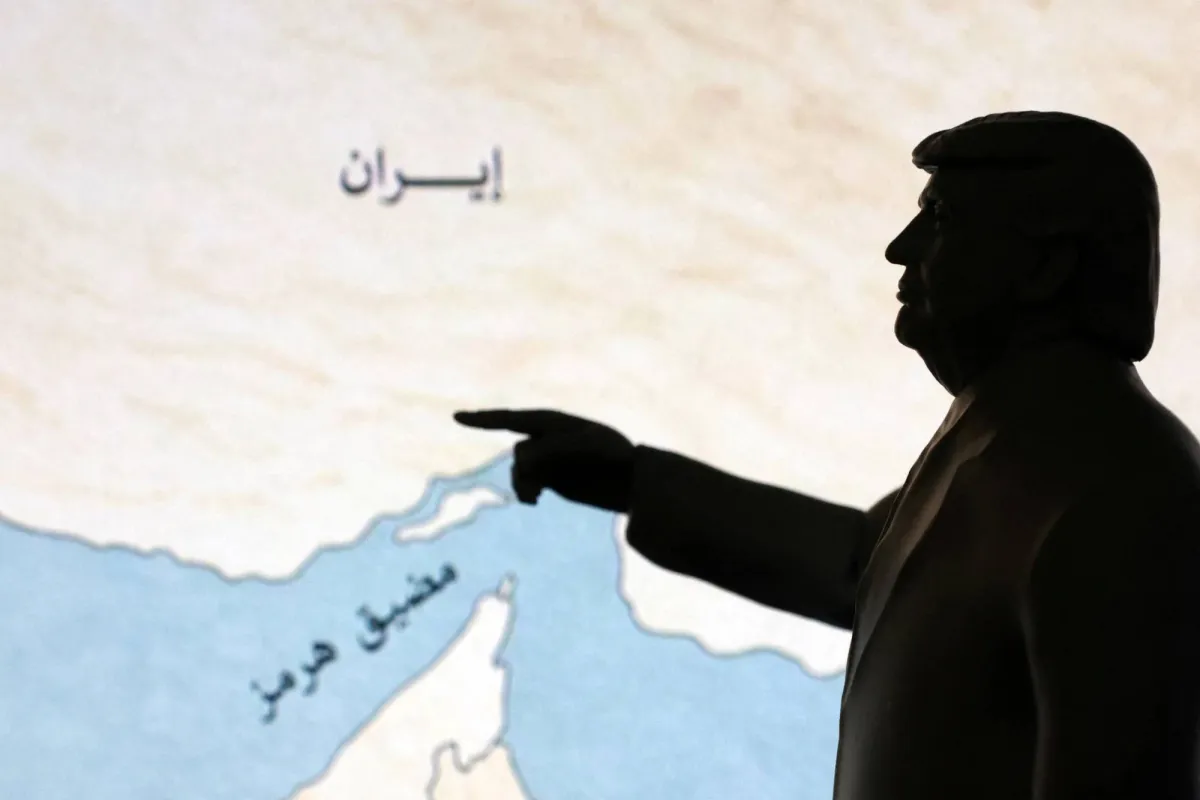
Attention in Washington and regional capitals is turning to what the coming hours may bring in terms of shifts in the confrontation with Iran, as the 48-hour deadline set by President Donald Trump approaches its conclusion. The world is watching to see if the end of this deadline will be followed by broader military escalation or if it was simply a pressure tactic aimed at imposing a new negotiating equation on Tehran.
In recent days, Trump has notably raised the stakes of his threats, hinting at targeting economic facilities and critical infrastructure within Iran, including power plants, bridges, and ports. In a sharp tweet on the 'Truth Social' platform, Trump stated that Tuesday could be a "day for power plants and bridges," indicating a potential expansion of American targets if Tehran does not respond to the pressure.
Details of the Situation
The current American strategy involves multiple pathways, combining military, economic, and political pressure. According to U.S. officials, this approach aims to achieve three main objectives: undermining Iran's nuclear capabilities, weakening the economic structure that supports Iranian military activities, and ensuring the security of navigation in the Gulf.
Despite the escalatory nature of the deadline, some observers in Washington view it as a political pressure tool as much as a military warning. Trump has previously asserted that the U.S. "will not allow Iran to possess a nuclear weapon," emphasizing his administration's readiness to take necessary measures to ensure regional security and American interests.
Background & Context
These developments come at a sensitive time, as the Iranian nuclear program is a central focus in American calculations. Washington seeks to prevent Tehran from reaching advanced levels of uranium enrichment that would allow it to produce a nuclear weapon. Facilities such as Natanz and Fordow are among the potential targets in any military strategy aimed at slowing Iran's nuclear program.
At the same time, the region is witnessing increasing tensions, with fears of military escalation that could lead to widespread repercussions. Some experts indicate that targeting Iran's economic infrastructure could pressure the Iranian leadership, but it also carries the risk of broad regional escalation.
Impact & Consequences
Targeting civilian infrastructure in Iran is a subject of extensive debate in American legal and academic circles, with over 100 experts in international law warning that such operations could be considered violations of international humanitarian law. They point out that targeting facilities like power plants and bridges is typically classified as civilian targets and should not be militarily targeted unless proven to be directly used in military operations.
If military strikes are carried out, they could lead to widespread humanitarian consequences, especially if they affect water and electricity facilities relied upon by civilians. However, military estimates suggest that one of the key features of the American strategy is to attempt to cripple major sectors of the Iranian economy by striking vital infrastructure.
Regional Significance
The Arab region is directly affected by these developments, as any military escalation could destabilize neighboring countries. Additionally, American military pressure on Iran could provoke unexpected reactions from Tehran, further complicating the situation in the region.
In conclusion, the question remains open as to whether diplomacy will prevail over war, or if military escalation is the likely option in the coming days. With ongoing American pressures, it seems that Iran faces significant challenges in maintaining its internal stability and regional interests.