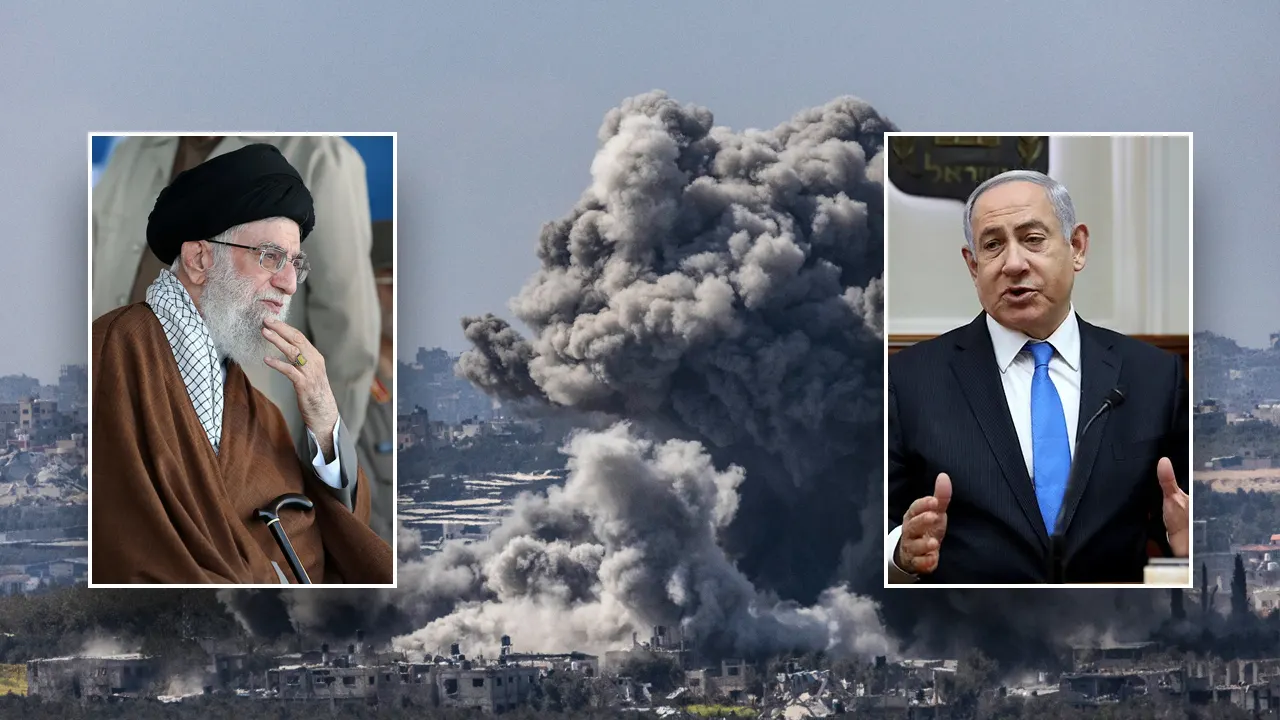
A recent study released by the United Nations indicates that a potential war between the United States and Israel against Iran could lead to an estimated economic loss of around $200 billion in the Middle East. These figures reflect the significant impact that military conflicts could have on the regional economy, especially given the current economic conditions many Arab countries are facing.
This study comes at a time when tensions between Iran and both the United States and Israel are escalating, raising fears of a military escalation that could affect stability in the region. The United Nations has warned that any escalation in the conflict could lead to serious economic repercussions for neighboring countries.
Details of the Event
Reports suggest that the potential conflict could result in the destruction of economic infrastructure in several countries, leading to job losses and increased poverty rates. The negative impacts could also include a decline in foreign investments and a deterioration of tourism, which are vital factors for Arab economies.
These figures serve as a warning to Arab countries that may find themselves at the center of the conflict, as any military escalation could lead to unforeseen consequences for their economic and political stability. This situation underscores the urgent need for regional cooperation to address shared challenges.
Background & Context
Historically, the Middle East has witnessed numerous military conflicts that have adversely affected the economies of the involved nations. For instance, previous wars in Iraq and Syria led to significant destruction of infrastructure and the loss of millions of jobs. In this context, any new escalation could plunge the region back into a cycle of violence and chaos.
Iran is a key player in regional politics, maintaining ties with several armed factions in neighboring countries. This complicates the situation further, as any attack on Iran could provoke military responses from its allies, thereby widening the conflict and increasing economic costs.
Impact & Consequences
The potential war could exacerbate humanitarian crises in the region, as military conflicts often lead to population displacement and increased numbers of refugees. Additionally, the economic impact will be felt in the long term, as reconstruction requires massive investments that may not be available under current conditions.
Moreover, a loss of $200 billion in economic growth could mean a decline in the standard of living for many citizens in Arab countries. This situation could lead to increased social and political tensions, raising the likelihood of protests or internal conflicts.
Regional Significance
Arab countries neighboring Iran, such as Iraq, Syria, and Lebanon, are the most vulnerable to any military escalation. These countries are already grappling with economic and political crises, and any new conflict could worsen these challenges. Gulf countries may also be affected, as stability in the region is closely linked to economic stability.
In conclusion, the figures presented by the United Nations represent a call for serious reflection on how to avoid military conflicts in the region. Regional cooperation and effective diplomacy may be the only way to avert potential economic and social damages.