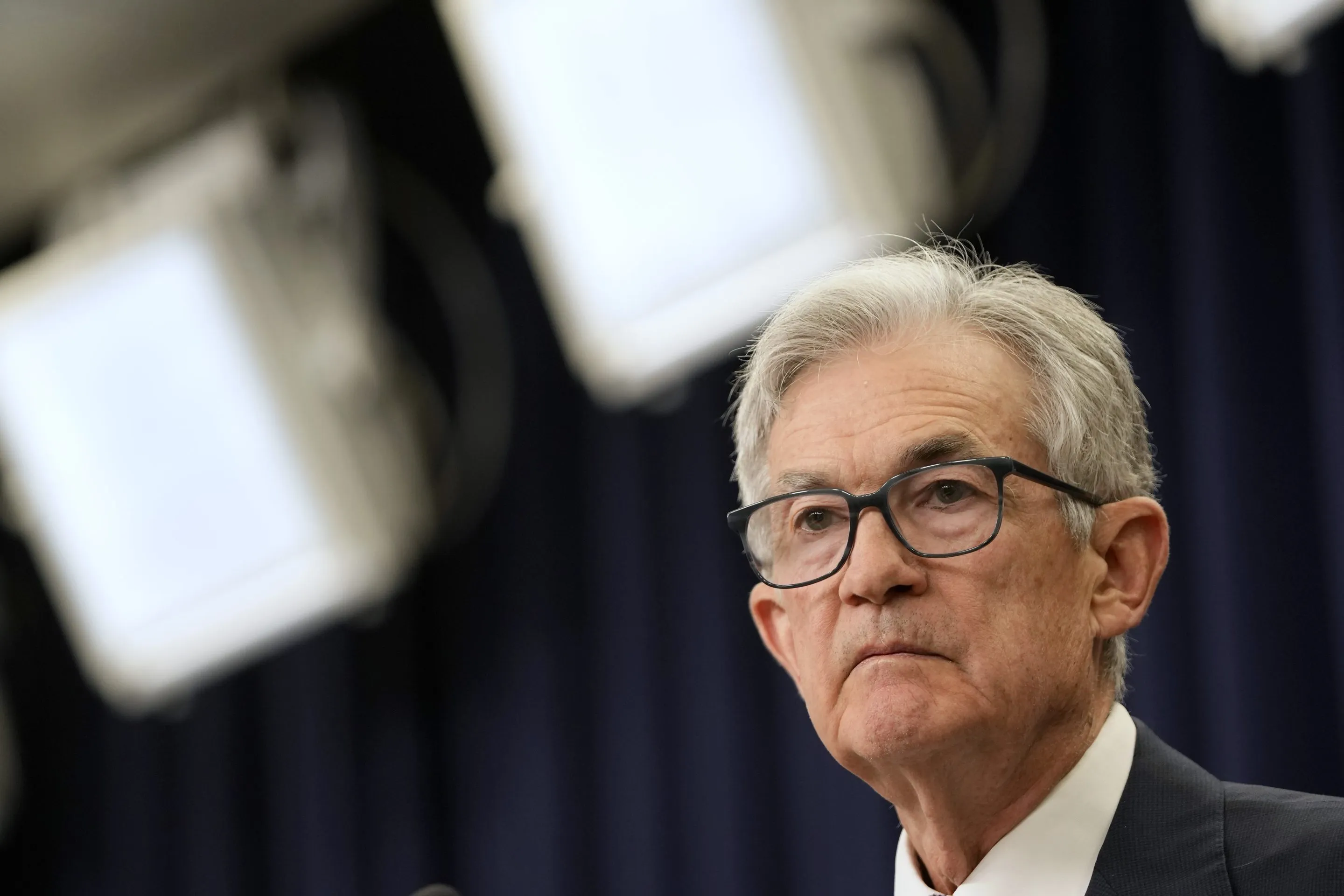
Jerome Powell, the Chair of the U.S. Federal Reserve, stated that the central bank is not facing an urgent decision regarding interest rates, due to the unclear potential economic impacts of the war in Iran. This statement was made during a press conference, where Powell indicated that the current situation requires further monitoring and analysis before any steps are taken.
Powell confirmed that the Federal Reserve is closely monitoring the economic situation and that there are multiple risks that could affect the U.S. economy, including geopolitical conflicts. He explained that these risks make it difficult to predict the trajectory of interest rates in the near future.
Details of the Event
Powell's statements come at a sensitive time, as tensions in the Middle East are rising, which could impact oil prices and global financial markets. The war in Iran, which recently began, raises concerns about the stability of the region, which could negatively affect both the U.S. and global economies.
At the same time, the Federal Reserve is facing internal challenges, such as rising inflation and increasing living costs. These factors make it essential for the central bank to be cautious in its decisions regarding interest rates, as any change could significantly impact the economy.
Background & Context
Historically, the Federal Reserve has played a significant role in guiding the U.S. economy through adjustments in interest rates. In recent years, the United States has experienced economic fluctuations due to the COVID-19 pandemic, prompting the bank to take unconventional measures to support the economy.
The war in Iran comes at a critical time, as the region is a major source of oil, and any escalation in the conflict could lead to rising oil prices, affecting inflation in the United States. This situation places the Federal Reserve in a difficult position, as it must balance economic risks with the need to support growth.
Impact & Consequences
Powell's recent statements suggest that the Federal Reserve may be forced to adjust its monetary policy based on developments in Iran. If tensions continue, we may see an increase in interest rates as a means to combat inflation, which could lead to a slowdown in economic growth.
On the other hand, if the situation stabilizes in the region, there may be room to lower interest rates to support growth. This direction heavily depends on how events unfold in Iran and their impact on the global economy.
Regional Significance
The Arab region is directly affected by the economic and political developments in Iran. Any escalation in the conflict could lead to increased oil prices, impacting the economies of oil-producing Arab countries. Additionally, instability in Iran may affect economic relations between Arab countries and Iran, complicating the economic landscape in the region.
In conclusion, the economic situation in the United States remains contingent on the developments of the war in Iran, making it essential to closely monitor events. Economic analyses suggest that the Federal Reserve will face significant challenges in the upcoming period, as it must make difficult decisions under unstable conditions.