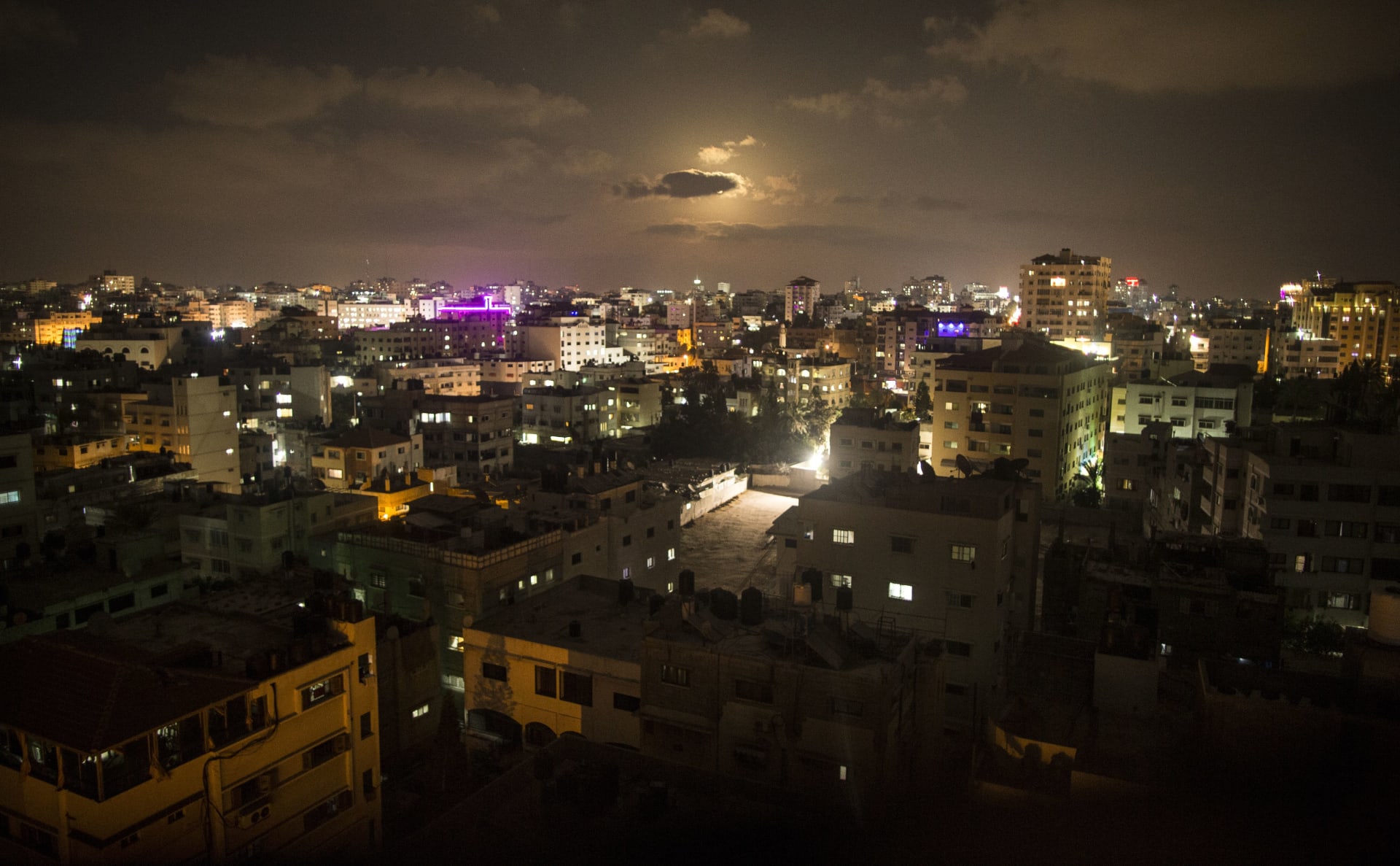
The UNEN company, which operates the electrical grid in Cuba, announced another power outage, occurring for the second time in less than a week. The island, which is the largest in the Caribbean, is experiencing a worsening energy crisis due to the US oil embargo imposed on it, which has exacerbated the already fragile electrical network.
With nearly 10 million people served locally, residents in Cuba are witnessing a complete paralysis of the electrical network, with power cuts lasting over 24 hours on the 16th and 17th of March. The Cuban Ministry of Energy confirmed that the current situation requires urgent efforts to restore electricity to all affected areas, stating that it will keep the public informed of ongoing developments.
The current energy crisis in Cuba is rooted in the cessation of Venezuelan oil supplies over two months ago. The administration of former US President Donald Trump threatened to impose tariffs on countries that send fuel to Havana, undermining Cuba's capacity to secure its basic energy needs. Cuba is among the countries suffering from a continuous lack of investment, with reports indicating that US sanctions are hindering the nation’s efforts to modernize and repair its dilapidated electrical infrastructure.
On the other hand, President Donald Trump justified the embargo as a response to what he termed 'extraordinary threats' posed by Cuba to US security. Meanwhile, the Cuban government has not hesitated to label these measures as an attempt to 'squeeze' the national economy, resulting in increased tensions between the two parties recently.
In a concerning development, Cuban President Miguel Díaz-Canel announced the country's resistance to any threatening attempts from the US, indicating that the nation will remain steadfast against any pressures. His statements occurred at a sensitive time, as they were linked to a significant power outage situation, reflecting the acute struggles that the country is facing both internally and externally.
Trump's remarks against Cuba have escalated again, hinting at the possibility of more severe actions, including the takeover of the country, which has increased anxiety among Cubans who are already facing acute crises.
The current energy crisis in Cuba poses a serious threat to Russians while its people suffer from poverty and isolation on the international stage. Such crises spark questions regarding the Cuban government’s ability to handle the growing crises and whether it will be able to withstand the economic and political pressures resulting from this embargo.
Moreover, the Cuban crisis reflects similar crises faced by other peoples in the region and worldwide, with many Arab nations and others subjected to sanctions and embargoes that impact their ability to meet the basic needs of their citizens.
The prominent intersections of these events could contribute to insights into how governments and peoples can respond to external pressures. The experiences of Cuba, Iran, and Syria provide a model that demonstrates how to adapt to difficulties, a lesson that Arab countries must learn to maintain their internal stability and enhance their resilience in facing crises.