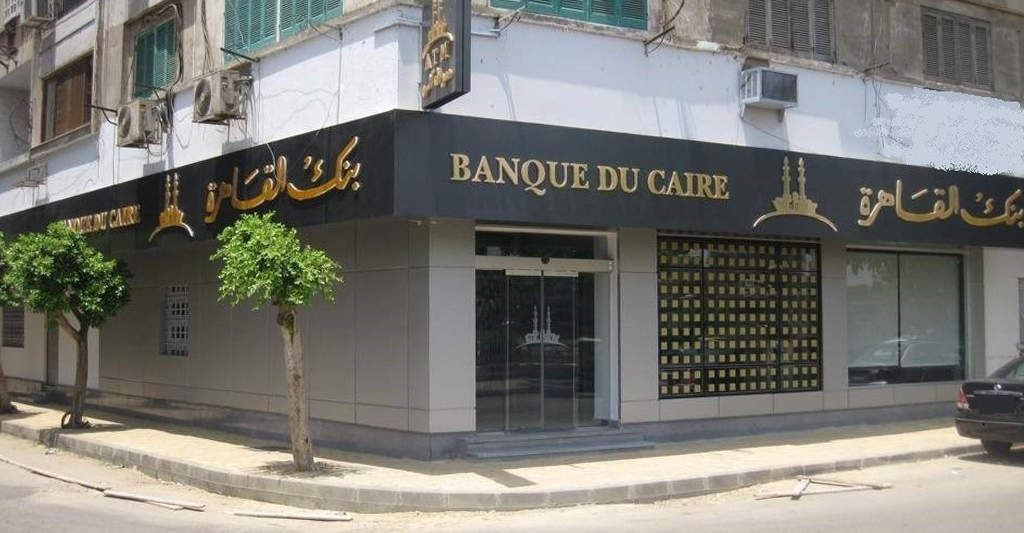
The Egyptian Prime Minister's assistant has stated that the government is working on preparing the offering document for Cairo Bank, with an agreement to allocate 30% of shares to investors. This step is part of the government's efforts to enhance transparency in the banking sector and attract more foreign investments.
Cairo Bank is considered one of the leading banks in Egypt, and recently, the government has shown increased interest in raising the private sector's participation in financial institutions. This direction aligns with the economic reform program that the government aims to implement, which seeks to improve the business environment in the country.
Details of the Offering
The offering of Cairo Bank is a significant step in the government's plan to enhance the role of the private sector in the Egyptian economy. The allocation of 30% of shares for investors reflects the government's desire to increase transparency and build trust in the banking system.
This offering is expected to contribute to increasing the bank's financial liquidity, enabling it to expand its services and improve its financial performance. Additionally, this move may open the door for more foreign and local investments in the banking sector.
Background & Context
This initiative comes at a time when Egypt is experiencing significant economic transformations, as the government seeks to achieve sustainable growth by attracting investments and enhancing public-private partnerships. In recent years, many economic reforms have been implemented to improve the business climate and facilitate procedures.
Cairo Bank, established in 1952, is one of the prestigious banks in Egypt with a long history of providing banking services. With the new directions, the bank aims to modernize its services and expand its customer base.
Impact & Consequences
The offering of Cairo Bank is expected to have a positive impact on the banking market in Egypt, as it will enhance competition among banks and encourage them to improve their services. Moreover, increasing the percentage of shares allocated to investors may help attract more foreign investments.
This offering could also improve the image of the Egyptian economy on the international stage, potentially leading to increased flows of foreign direct investments. Furthermore, the success of this offering may encourage the government to implement more offerings in the future.
Regional Significance
The offering of Cairo Bank serves as a model for other Arab countries seeking to enhance the role of the private sector in their economies. Amid the economic challenges faced by many countries in the region, this step could act as a catalyst for adopting similar policies.
Additionally, the success of this offering may strengthen economic cooperation among Arab countries and encourage the exchange of experiences in the field of economic reforms.
In conclusion, preparing the offering document for Cairo Bank and allocating 30% of shares to investors is a strategic step in the Egyptian government's efforts to enhance transparency and attract investments. This offering is expected to have positive effects on the banking market and the Egyptian economy as a whole.