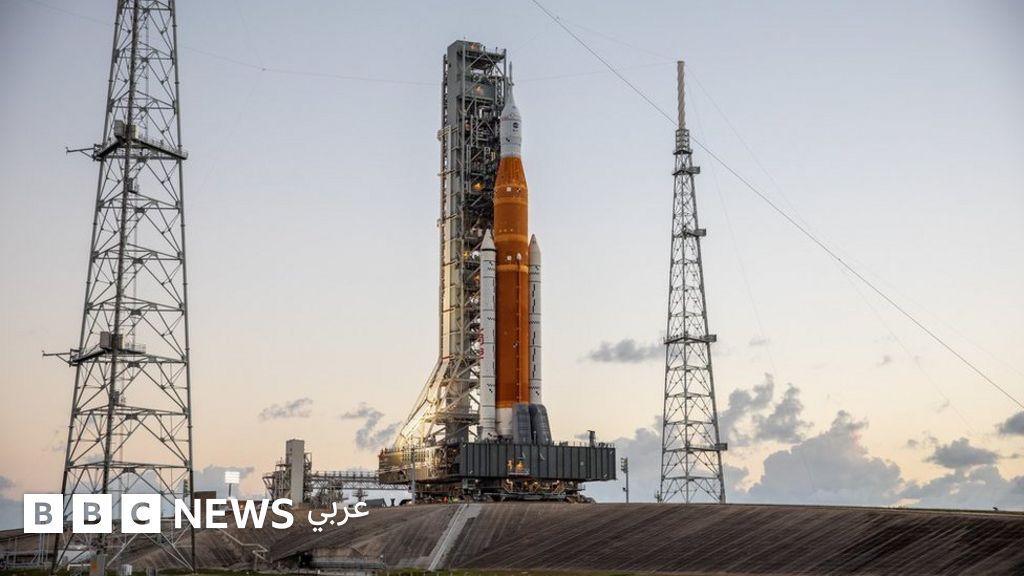
The four astronauts selected for NASA's Artemis II mission have entered the final phase of preparations in Florida, gearing up for their launch to the Moon on April 1. This mission marks the first crewed journey to the Moon in over fifty years, as the astronauts will embark on a journey lasting approximately ten days around the Moon.
The mission crew includes American astronauts Reid Wiseman, Victor Glover, and Christina Koch, along with Canadian astronaut Jeremy Hansen. They will be launched from the Kennedy Space Center aboard the Space Launch System (SLS) rocket within the Orion capsule designed to transport humans into deep space.
Event Details
The Artemis II mission is the first crewed mission under the multi-billion dollar Artemis program. Although it will not land on the Moon's surface, it will achieve a historic milestone by sending astronauts farther than any previous crewed spaceflight. The mission will test life support systems, navigation and communication efficiency, and the heat shield performance of the Orion capsule.
The crew has spent over two years training since their selection in 2023, and they have entered a standard quarantine period at the Johnson Space Center in Houston since March 18. They are scheduled to move to crew facilities in Florida before the launch.
Background & Context
NASA aims to return humans to the Moon through the Artemis program, with the last crewed mission to the Moon occurring in 1972. This mission is part of a larger vision to establish a sustainable human presence on the Moon, paving the way for future missions to Mars.
Victor Glover will be the first Black astronaut to travel to the Moon, while Christina Koch will be the first woman to reach lunar orbit, and Jeremy Hansen will be the first non-American astronaut to exceed low Earth orbit towards the Moon. All crew members, except Hansen, have previously traveled to space, adding significant experience to the mission.
Impact & Consequences
This mission is a significant step in space exploration, reflecting international cooperation in space, particularly between the United States and Canada. It also underscores the importance of having robust space programs as countries strive to achieve new milestones in space.
This mission will also contribute to the development of technology used in space, which may lead to improvements in various fields such as communication and navigation, potentially benefiting daily life on Earth.
Regional Significance
These developments in space are also important for Arab countries, reflecting the significance of investing in technology and scientific research. Arab nations can benefit from these experiences in developing their space programs and enhancing international cooperation in space.
With the global trend towards space exploration, there may be new opportunities for Arab countries to participate in future space projects, thereby enhancing their standing in the international community.