The U.S. Department of Education has directed borrowers included in the SAVE program to prepare for the resumption of their student loan payments, following a lengthy suspension due to the COVID-19 pandemic. This decision comes at a time when many students are facing significant financial challenges, increasing pressure on them.
The SAVE plan is one of the programs aimed at alleviating the financial burdens on students, offering flexible repayment options that align with borrowers' income. However, the return to loan repayment may raise concerns for many who are still suffering from the economic impacts of the pandemic.
Details of the Announcement
The U.S. Department of Education reached out to borrowers via email, emphasizing the importance of preparing to begin loan repayments. The department confirmed that repayments will commence on January 1, 2024, indicating that the time remaining for borrowers to prepare for this financial commitment is limited. Information was also provided on how to access resources that can assist them in understanding the available repayment options.
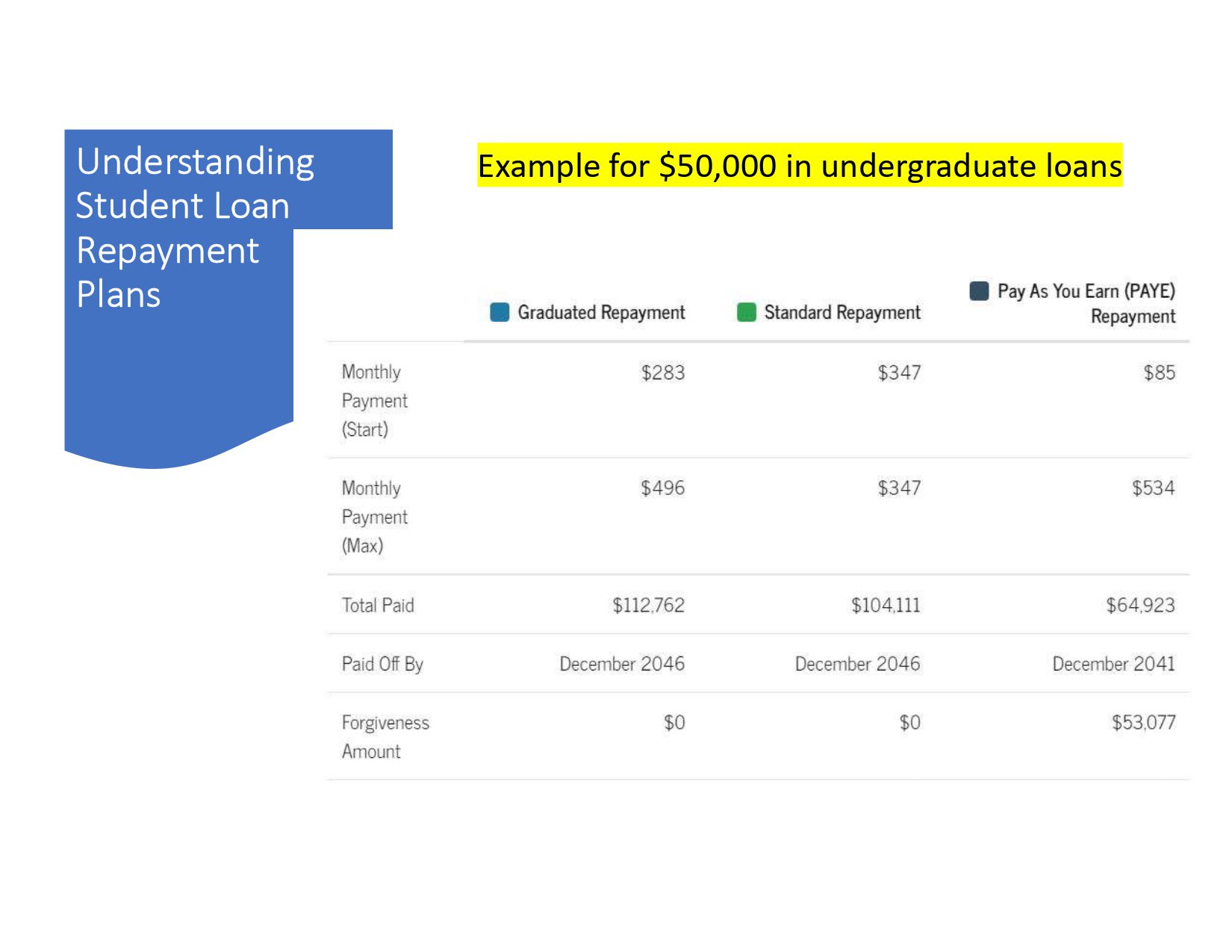
The SAVE plan includes income-driven repayment options, allowing borrowers to pay lower amounts if their income is low. Nevertheless, many students are concerned that these options may not be sufficient to alleviate the financial burdens they face.
Background & Context
Historically, the United States has seen a significant rise in higher education costs, leading to a substantial increase in student debt. According to reports, the total student debt in the U.S. has surpassed $1.7 trillion, making it one of the largest financial burdens facing American youth today.
In recent years, the U.S. government has taken multiple steps to address this crisis, including the suspension of loan repayments during the COVID-19 pandemic. However, the return to repayment may raise new concerns about students' ability to manage these financial burdens under current economic conditions.
Impact & Consequences
The decision by the U.S. Department of Education could have wide-ranging effects on the American economy as a whole. The resumption of student loan repayments may lead to a reduction in consumer spending, as many young people will have to allocate a significant portion of their income to loan repayments instead of investing it in other areas such as home purchases or starting businesses.
Furthermore, this decision may impact the mental health of many students who are feeling financial pressure. The financial burdens associated with student loans can lead to increased levels of anxiety and depression, affecting students' academic and professional performance.
Regional Significance
While students in the United States face significant financial challenges, the situation in the Arab region differs in some aspects. Many Arab countries are experiencing similar economic issues, with rising education costs and increasing youth unemployment rates. The U.S. experience in dealing with student debt may provide valuable lessons for Arab countries seeking to improve their higher education systems and alleviate financial burdens on students.
In conclusion, the U.S. Department of Education's directive for borrowers to prepare for student loan repayments is an important step in addressing the student debt crisis. However, the financial challenges faced by students require a comprehensive response from the government and society to help them navigate this difficult period.