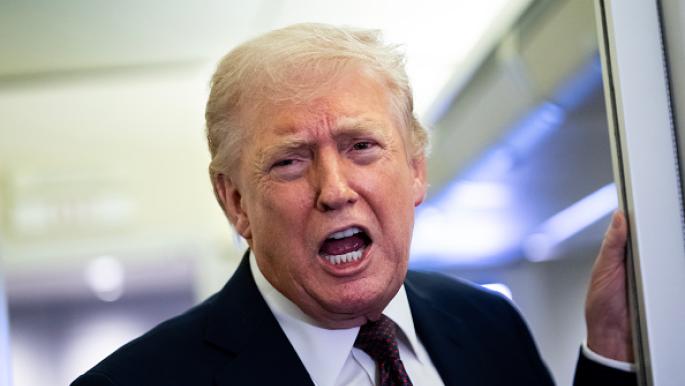
US President Donald Trump announced that the United States and Iran held highly productive talks over the past two days aimed at achieving a comprehensive solution to various issues. These discussions occur amid rising tensions in the region, highlighting efforts by the US administration to reduce longstanding disputes with Tehran after years of escalation.
In his statements, Trump indicated that the negotiations yielded positive results and expressed optimism about reaching an agreement that satisfies all parties involved. These remarks came after a lengthy period following the US withdrawal from the nuclear agreement signed in 2015, aimed at limiting Iran's nuclear program.
Details of the Event
The ongoing talks represent a significant step toward rebuilding bridges between Washington and Tehran, after relations experienced notable deterioration in recent years. Trump, who has faced criticism for his policy towards Iran, now shows a pressing desire for a diplomatic solution, which may indicate a shift in US strategy in the Middle East.
The diplomatic efforts also arise amidst internal considerations, as the US administration seeks to strengthen its position ahead of upcoming elections. Meanwhile, Iran emphasizes the necessity of ensuring its security and economic interests during negotiations, reflecting the substantial challenges that both parties face in reaching an agreement.
Context and Background
Since the US withdrawal from the nuclear agreement, Iran has sought to modify its foreign policy positions, considering that US actions have placed immense pressure on its economy and security. In recent years, Iran has taken several steps toward escalation, including expanding its nuclear program amid the pressure of sanctions.
Thus, the current talks transcend nuclear aspects to include other regional issues, such as Iran's support for various armed groups in the region and assessing its role in the multiple conflicts occurring in the Middle East. These aspects constitute essential matters that cannot be overlooked.
Implications and Effects
The potential outcomes of the talks are significant, not only for US-Iranian relations but also for political and security relations across the region. The success of these negotiations could lead to a reduction in tensions in the Gulf and might also contribute to stabilizing situations within Iraq, Syria, and Lebanon.
Should a comprehensive agreement be reached, it could result in a balance of regional powers and alleviate prevailing political alignments. However, both sides must address the uncertainties surrounding their ability to meet their commitments to one another.
Impact on the Arab Region
These developments may elicit varied reactions among Arab nations, as some Gulf governments are concerned about how this dialogue will influence their national security and economic interests. The apprehension regarding the enhancement of Iranian capabilities may increase, while there are also opportunities for other countries to benefit from the situation of diplomatic openness.
Certainly, Gulf nations and other stakeholders will closely monitor developments, with the possibility of cooperation in multiple areas in case the talks succeed, potentially altering the map of regional relations.
In conclusion, while the political landscape remains complex, the current discussions represent a glimmer of hope for transforming military rhetoric into a language of diplomatic dialogue. This could foreshadow radical shifts in regional and global politics.