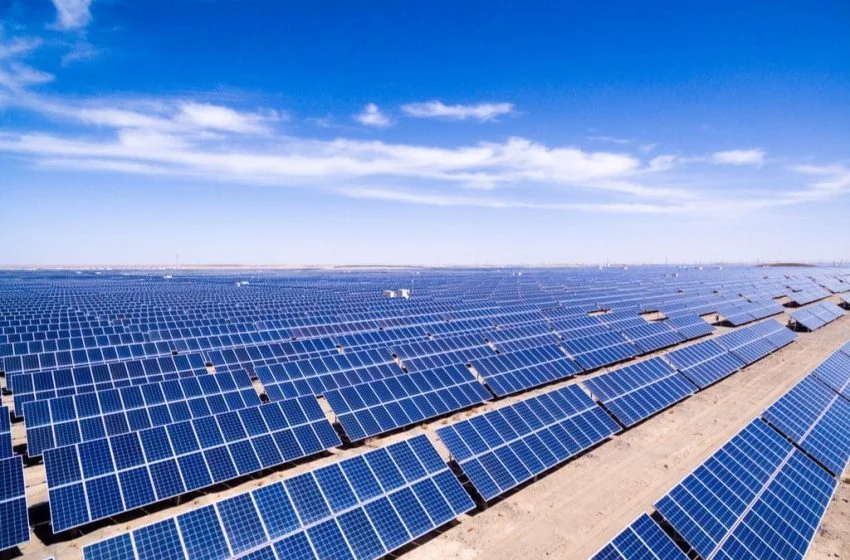
Many countries are moving towards promoting energy conservation and enhancing the use of solar energy as part of their strategies to achieve sustainable development. These steps are taken in the context of facing the environmental and economic challenges that modern societies are experiencing.
In recent years, it has become clear that reliance on traditional energy sources is no longer sufficient to meet the needs of population and industrial growth. Therefore, governments have begun to implement plans aimed at reducing energy consumption and promoting the use of renewable energy, such as solar energy, which is considered one of the cleanest and simplest energy sources available.
Government Initiatives and Campaigns
The government plans include several initiatives aimed at increasing energy efficiency. For example, awareness campaigns have been launched to encourage citizens to conserve electricity, in addition to providing financial incentives for families that rely on solar energy in their homes. New solar energy projects have also been established in various regions, contributing to reducing dependence on fossil fuels.
Reports indicate that the use of solar energy can significantly reduce carbon emissions, helping to combat climate change. Additionally, these projects create new job opportunities and contribute to supporting the local economy.
Background & Context
Historically, countries have heavily relied on fossil fuels as a primary energy source. With the increasing environmental awareness, many countries have begun to explore more sustainable alternatives. Solar energy, in particular, has become an attractive option due to its decreasing costs and advanced technology that makes it more efficient.
In recent years, there has been a noticeable increase in renewable energy investments, as many countries strive to achieve their carbon emission reduction targets. These transformations reflect the commitment of countries to face environmental challenges and achieve sustainable development.
Impact & Consequences
These transformations in energy consumption directly affect the economy and the environment. On one hand, reducing reliance on fossil fuels can lower costs in the long term, contributing to improving the economic situation of countries. On the other hand, using solar energy helps reduce environmental pollution, positively impacting citizens' health.
Moreover, these initiatives enhance countries' ability to face future challenges, such as resource depletion and climate change. Promoting the use of renewable energy can also contribute to achieving energy security for nations.
Regional Significance of Solar Energy
The Arab region is considered one of the areas with significant potential in solar energy. Many Arab countries, such as Egypt and the UAE, have already begun to invest in these capabilities through large-scale solar energy projects. These projects not only help meet local energy needs but also open new horizons for export.
Enhancing the use of solar energy in the Arab region can contribute to achieving sustainable development and strengthen the ability of countries to face environmental challenges. These steps also reflect the commitment of Arab countries to achieve sustainable development goals.
In conclusion, promoting energy conservation and enhancing the use of solar energy are important steps towards achieving environmental and economic sustainability. These transformations reflect the increasing awareness of the importance of protecting the environment and ensuring a better future for generations to come.