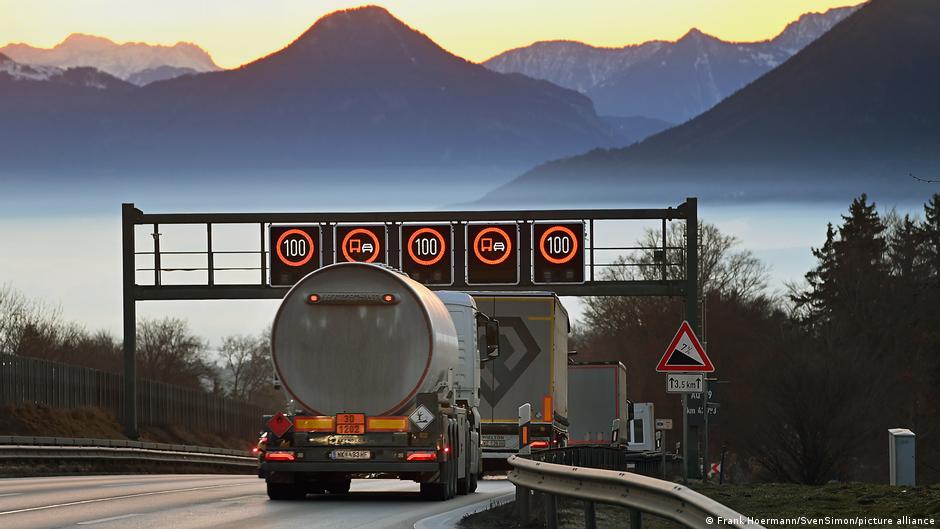
Amid unprecedented fuel price increases, Veronika Grimm, a member of a special economic committee advising the German government, has proposed a temporary speed limit on highways as a potential measure to address this crisis. Grimm emphasized in her statements to Rheinische Post that this action could serve as a smart signal to encourage people to take the situation seriously.
This recommendation comes at a critical time as fuel prices continue to rise, causing concern among drivers across the country. The International Energy Agency has pointed out the need for measures to reduce oil consumption, especially given the ongoing war in Iran and the near closure of the Strait of Hormuz. Among the suggestions put forward, there have been calls for a temporary reduction in speed limits.
Details of the Situation
As drivers head to gas stations, they are facing prices that are nearing record levels. Even the most enthusiastic drivers in Germany are hesitating to press the accelerator on unrestricted sections of the highways under these challenging economic conditions. It is noteworthy that approximately 70% of Germany's highway network does not impose speed limits, while the remainder is subject to limits of up to 130 kilometers per hour.
With the Easter holiday approaching, activists are expected to participate in traditional peace marches held annually across the country, reflecting the spirit of solidarity and resistance that characterizes German society.
Background & Context
Historically, Germany has been known for its extensive network of highways that allow drivers to travel at high speeds. However, the current economic and political conditions, including regional conflicts such as the war in Iran, have led to a reevaluation of these policies. In recent years, the country has witnessed changes in energy strategies, as the government seeks to reduce reliance on fossil fuels.
These recommendations are part of broader efforts aimed at addressing environmental and economic challenges. Many countries in the Global South have taken similar steps, such as imposing traffic restrictions and encouraging remote work, in an attempt to reduce fuel consumption.
Impact & Consequences
If this proposal is implemented, it could have a significant impact on driver behavior in Germany. Imposing a speed limit may lead to reduced fuel consumption and, consequently, alleviate pressure on prices. However, this proposal may face resistance from drivers who view the freedom to drive fast as part of their culture.
Moreover, this move could affect the German economy as a whole, as many sectors rely on smooth transportation. Nonetheless, the current challenges may require unconventional measures to ensure resource sustainability.
Regional Significance
Arab countries are also affected by rising fuel prices due to regional crises. With escalating tensions in the Middle East, Arab nations may face similar challenges in managing their energy resources. The increase in fuel prices could impact Arab economies and heighten pressures on governments to provide effective solutions.
In conclusion, the German proposal represents a step towards rethinking how to address global economic crises. This experience may be beneficial for other countries, including Arab nations, facing similar challenges.