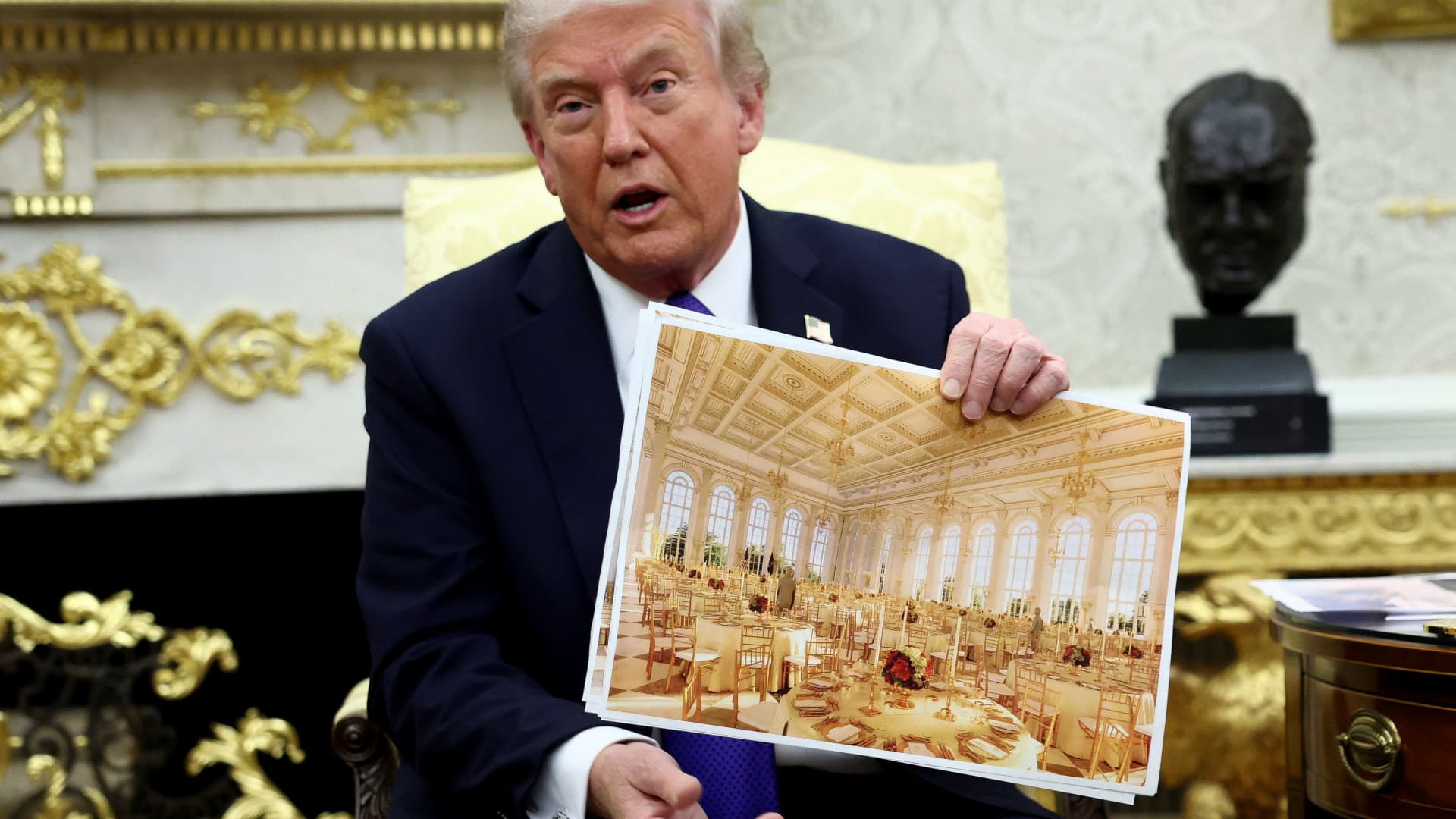
The prosecutor in the legal case challenging the $400 million ballroom project at the White House has rejected the U.S. Department of Justice's request to dismiss the lawsuit, following a shooting incident that occurred during a White House Correspondents' Dinner, which led to the evacuation of President Donald Trump from the venue. Attorney Gregory Craig, representing the National Trust for Historic Preservation, stated in a letter to Assistant Attorney General Brett Shumate that the lawsuit does not pose any danger to the president's life.
Craig pointed out that the Justice Department's claims that the lawsuit endangers the president and his family are inaccurate and irresponsible. He wrote in his letter: "Simply put, this case does not jeopardize the president's safety in any way," adding that the department can seek the necessary authorization from Congress at any time.
Details of the Case
Craig's response came two days after renewed calls from President Trump, some Republican lawmakers, and his supporters to have the federal court dismiss the lawsuit, paving the way for the construction of the ballroom. In his letter, Shumate stated that the lawsuit "places the lives of the president, his family, and his staff at significant risk." He added, "I hope yesterday's incident helps you realize the folly of a lawsuit that serves no purpose other than to obstruct President Trump at any cost."
The incident during the White House Correspondents' Dinner occurred nine days after a federal judge issued an order preventing the construction of the ballroom, as Trump had not obtained the necessary approval from Congress. Judge Richard Leon wrote in his order that "national security is not a blank check to proceed with illegal activities."
Background & Context
Historically, construction projects at the White House have been subject to close scrutiny by Congress, especially when it comes to large projects like the ballroom. This case has sparked widespread debate about how public resources are managed and how projects are approved under the current administration. In recent years, the United States has witnessed a rise in political tensions, complicating such issues.
The ballroom is part of Trump's vision for renovating the White House, aiming to enhance official events and parties. However, this vision faces legal and political challenges, reflecting the deep divisions in American politics.
Impact & Consequences
This lawsuit could affect the future of construction projects at the White House, potentially setting a legal precedent regarding how large projects are handled. Additionally, the recent incident may escalate tensions between Republicans and Democrats, impacting relationships among different government branches.
Moreover, this case could influence Trump's image among voters, as it may be used as a political tool by his opponents. At the same time, it may bolster support among his supporters who view this case as an attempt to obstruct his work.
Regional Significance
This case highlights the current political tensions in the United States and how they impact government construction projects. The outcome could set important precedents for future administrations regarding the approval and management of significant public works.
In conclusion, the ongoing legal battle over the ballroom project not only reflects the contentious political landscape but also raises questions about the balance of power and the role of Congress in overseeing presidential initiatives.