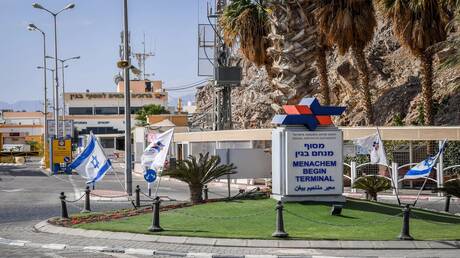
The Egyptian government's decision to raise the crossing fee at the Taba border point for Israelis to $120 has sparked widespread outrage among Israeli citizens who rely on this crossing for travel abroad. Thousands of Israelis have expressed their protests against this increase, which they consider an additional burden amid difficult economic conditions.
This wave of protests follows the announcement by Egyptian authorities regarding the fee hike, leading to increased dissatisfaction among travelers who frequently use the crossing. Many protesters pointed out that this increase will negatively affect their travel plans, especially given the deteriorating economic situation in the country.
Details of the Event
The Taba border point is one of the most important crossings between Egypt and Israel, used by many Israelis to travel to various destinations, including tourism and trade. Reports have shown that the increase in fees has significantly impacted travel through the crossing, with many travelers canceling their plans as a result of this hike.
In the context of the protests, thousands of Israelis gathered in front of the crossing, holding signs expressing their discontent with the decision. The protests have garnered widespread interaction on social media, where many have shared their opinions on how this increase affects their daily lives.
Context and Background
This decision comes at a time when Egypt is facing significant economic challenges, as the government seeks to increase revenues by raising fees on border crossings. This decision has raised questions about its impact on relations between Egypt and Israel, especially amid the politically tense situation in the region.
Historically, the Taba point has been a hub for cooperation between the two countries, representing a meeting point for many economic and tourism interests. However, any changes in fees could lead to new tensions between the two sides, raising concerns about the stability of bilateral relations.
Impact and Consequences
This increase in fees poses a significant challenge to Israeli tourism, as it may lead to a decline in the number of visitors to Egypt. Experts have warned that this decision could negatively impact the Egyptian economy, which heavily relies on tourism as one of its main sources of income.
Additionally, these protests may open the door for further discussions regarding economic policies in both countries and could lead to calls for a reconsideration of the fees imposed on border crossings. At the same time, these events may affect diplomatic relations between Cairo and Tel Aviv, necessitating political interventions to resolve the crisis.
Impact on the Arab Region
This issue is part of the larger picture of economic and political conditions in the region, where many countries are facing similar crises. The protests may help highlight the challenges governments face in dealing with economic and social issues.
Ultimately, these events remain a significant milestone in Egyptian-Israeli relations and may lead to changes in economic policies on both sides. It is important to monitor the developments of this issue and its implications for the region as a whole.