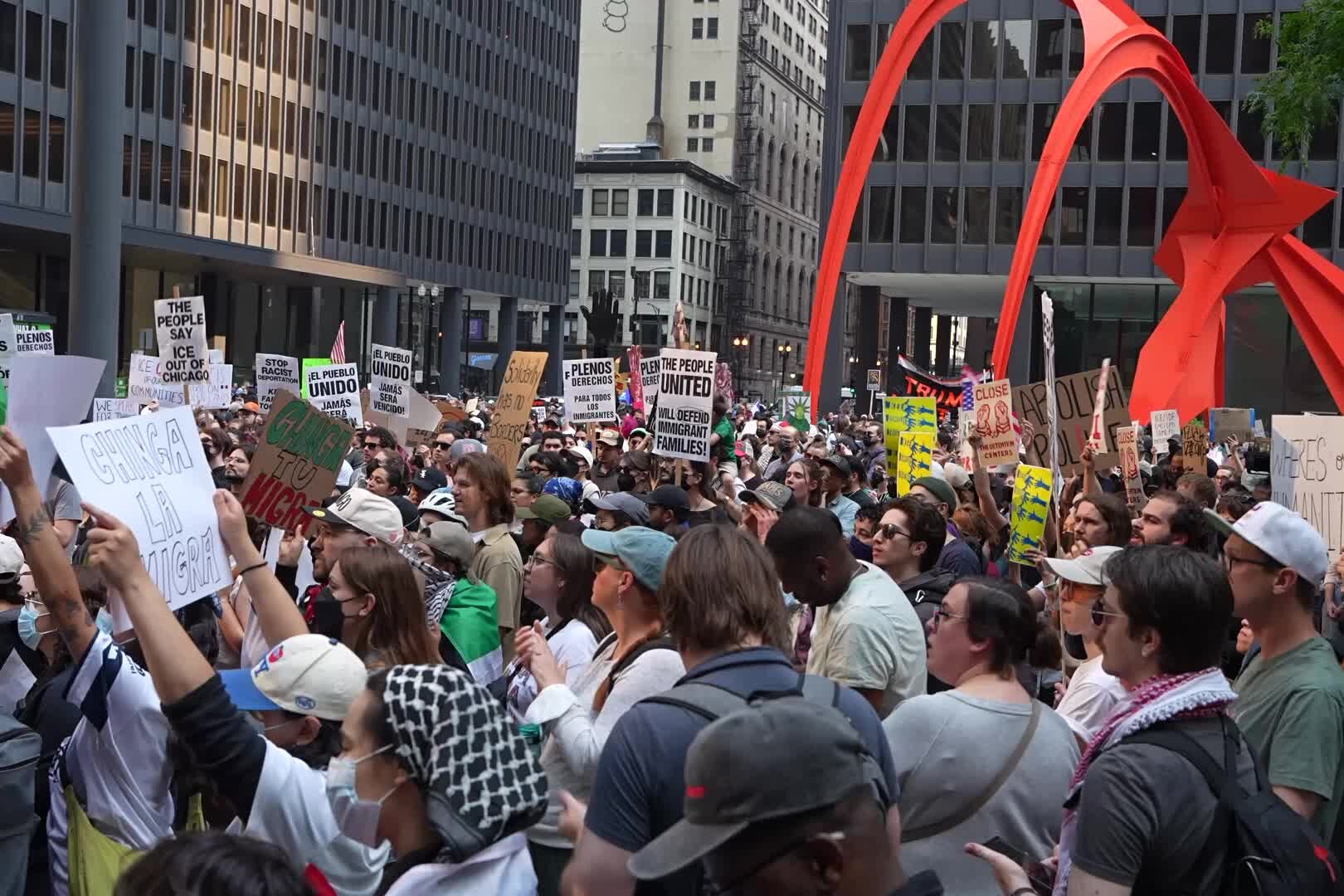
On Wednesday, April 1, the city of Melbourne, Australia, witnessed massive protests as hundreds of citizens expressed their discontent with US interventions in the affairs of other nations, particularly in Latin America and Iran. The demonstrators, who gathered in the city center, held signs condemning US policies, emphasizing the importance of respecting national sovereignty and refraining from interfering in the internal matters of countries.
The protests came at a sensitive time, as concerns grow over escalating international tensions due to US foreign policies. Protesters pointed out that US interventions often exacerbate humanitarian and political crises in targeted countries, negatively impacting the lives of citizens.
Event Details
The Melbourne protest was part of a series of demonstrations that have taken place in various cities around the world, as public awareness of the impact of US policies on global stability increases. Reports indicated that many participants in the protest carried slogans calling for solidarity with peoples suffering from foreign interventions, stressing the need to support the right of peoples to self-determination.
The protest also featured speeches from activists who shared experiences from countries that have faced US interventions, such as Cuba and Venezuela, noting that these interventions often lead to counterproductive outcomes and worsen economic and social conditions in those nations.
Background & Context
Historically, the United States has been accused of intervening in the affairs of other nations, whether through military or economic support. In Latin America, for instance, many countries have experienced US interventions over the past decades, resulting in radical changes in their political systems. These interventions have often been justified under the pretext of protecting US interests, but in reality, they have led to destabilization in those countries.
In the case of Iran, relations between Tehran and Washington have been marked by ongoing tension for decades, especially following the Islamic Revolution in 1979. US interventions in the region, including the imposition of economic sanctions, have had far-reaching effects on the Iranian people, increasing resentment towards US policies.
Impact & Consequences
The protests in Melbourne reflect a growing public awareness of social and political justice issues on a global scale. They indicate that there is an increasing movement among citizens demanding changes to foreign policies that negatively affect other countries. These movements could lead to greater pressure on Western governments to alter their approach to dealing with nations in crisis.
Furthermore, these protests may contribute to strengthening solidarity among peoples suffering from foreign interventions, potentially leading to the formation of new alliances aimed at defending the rights of peoples to self-determination.
Regional Significance
Looking at the Arab region, foreign interventions, particularly by the US, have had significant impacts on many countries. From Iraq to Syria, these nations have experienced military and economic interventions that have exacerbated humanitarian and political crises. The protests in Melbourne may inspire similar movements in the Arab world, as citizens seek to demand their rights and reject foreign interventions in their affairs.
In conclusion, the issue of foreign interventions remains one of the most complex matters in international politics, where national interests intersect with the rights of peoples to self-determination. The protests in Melbourne reflect a growing voice calling for change and emphasize the importance of respecting the sovereignty of nations.