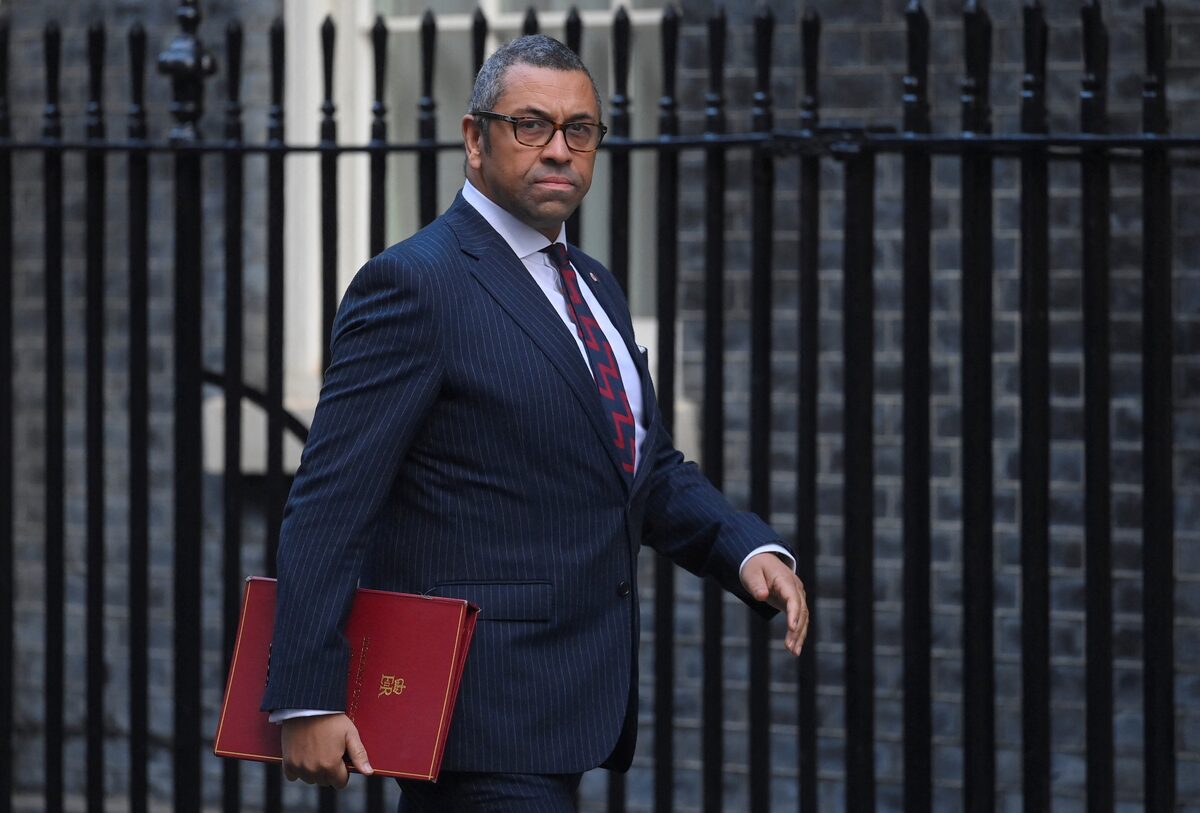
Qatar's Foreign Minister Sheikh Mohammed bin Abdulrahman Al Thani has warned of the risks threatening vital infrastructure in the region during a phone call with British Foreign Secretary Yvette Cooper. This warning comes at a time when military tensions are escalating, raising concerns about regional and international security and stability.
During the conversation, Sheikh Mohammed emphasized the importance of addressing disputes through peaceful means, stressing the need to halt Iran's unjustified aggressions against Qatar and neighboring countries. He also called for enhanced coordination and intensified joint efforts to return to the dialogue table, ensuring global energy security, freedom of navigation, and environmental safety.
Details of the Event
The Qatari Foreign Minister received the phone call as part of Doha's efforts to confront the military escalation that has been occurring in the region for some time. Reports have noted an increase in Iranian attacks on Gulf countries, which have been subjected to missile and drone strikes, resulting in casualties and significant damage to civilian facilities.
In a related context, the Qatari Shura Council expressed its condolences to the families of the martyrs from the Qatari Armed Forces and the Qatari-Turkish Joint Forces, who lost their lives when a helicopter belonging to the Qatari Armed Forces crashed in territorial waters while performing their duty. The Council reaffirmed its stance against Iranian aggressions, emphasizing the need to confront these threats.
Background & Context
Since February 28 of this year, Gulf countries have witnessed an escalation in Iranian attacks targeting vital civilian facilities, including airports and ports. These countries have condemned these aggressions and repeatedly called for their cessation, indicating that such attacks threaten regional security and affect the stability of the area.
Iran claims that these attacks target American bases and interests in the region in response to Israeli-American aggression that has resulted in numerous casualties, including the leader Ali Khamenei and security officials. This escalation reflects the increasing tensions between Iran and Gulf countries, complicating the security situation in the region.
Impact & Consequences
Analyses indicate that the continuation of military escalation could exacerbate humanitarian conditions in the region, significantly affecting water, food, and energy supplies. Moreover, these tensions may impact trade and navigation in the Gulf, negatively affecting the regional economy.
Furthermore, the escalation could lead to increased tensions between major powers in the region, potentially dragging the area into a wider conflict. Therefore, the need for dialogue and cooperation among the concerned countries has become more urgent than ever.
Regional Significance
These developments serve as a warning to Arab countries, as the stability of the region heavily depends on security in the Gulf. Any escalation in conflicts could affect all Arab nations, especially those reliant on energy and water supplies from this region.
In conclusion, hope remains pinned on diplomacy and dialogue as a means to resolve disputes and avoid further escalation that could lead to serious repercussions for regional and international security and stability.