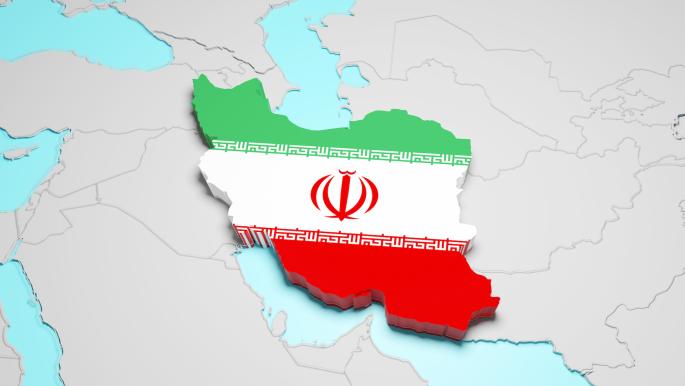
Concerns are growing that the insistence on describing Iran as a neighbor in Arab media discourse may serve as an attempt to wash hands of the U.S. and Israeli crimes that are unfolding before our eyes, threatening to ignite conflict in the region.
Reports and analyses continue to emerge, suggesting that the focus on Iran as a common enemy could be used as a cover to justify the aggressive policies adopted by the United States and its allies in the Middle East.
Details of the Event
In recent years, the region has witnessed an escalation in tensions between Iran and some Arab countries, where Iran has been portrayed as a threat to national security. This media discourse has not been limited to traditional media but has also spread across social media platforms, contributing to the formation of a public opinion hostile to Iran.
However, a question arises regarding the validity of this discourse and whether it truly reflects genuine concerns about the Iranian threat or is merely a tool to justify U.S. and Israeli policies in the region.
Background & Context
Historically, relations between Iran and Arab countries have been tense, especially following the Islamic Revolution in 1979. Since then, Iran has taken positions opposing U.S. policies in the region, which has exacerbated tensions.
In recent years, these tensions have increased with the emergence of groups such as Hezbollah in Lebanon and the Houthis in Yemen, causing some Arab countries to feel anxious about Iran's growing influence in the region. This influence, viewed as a threat to national security, has contributed to the reinforcement of media narratives portraying Iran as an enemy.
Impact & Consequences
The continuation of this media discourse could exacerbate situations in the region, potentially leading to increased polarization between Arab countries and Iran. It may also contribute to the strengthening of sectarian divisions, complicating security situations further.
Moreover, the focus on Iran as an enemy could distract from the internal issues facing Arab countries, such as corruption, unemployment, and deteriorating economic conditions. This could lead to a worsening of social and political crises in these countries.
Regional Significance
These dynamics are particularly significant for Arab countries, as they could lead to an escalation of armed conflicts and an increase in foreign interventions in internal affairs. Additionally, this discourse may contribute to strengthening military alliances between some Arab countries and the United States, further heightening tensions in the region.
Ultimately, Arab media should adopt a more balanced discourse that focuses on the real issues facing the region rather than being drawn into narratives that may be driven by external agendas.