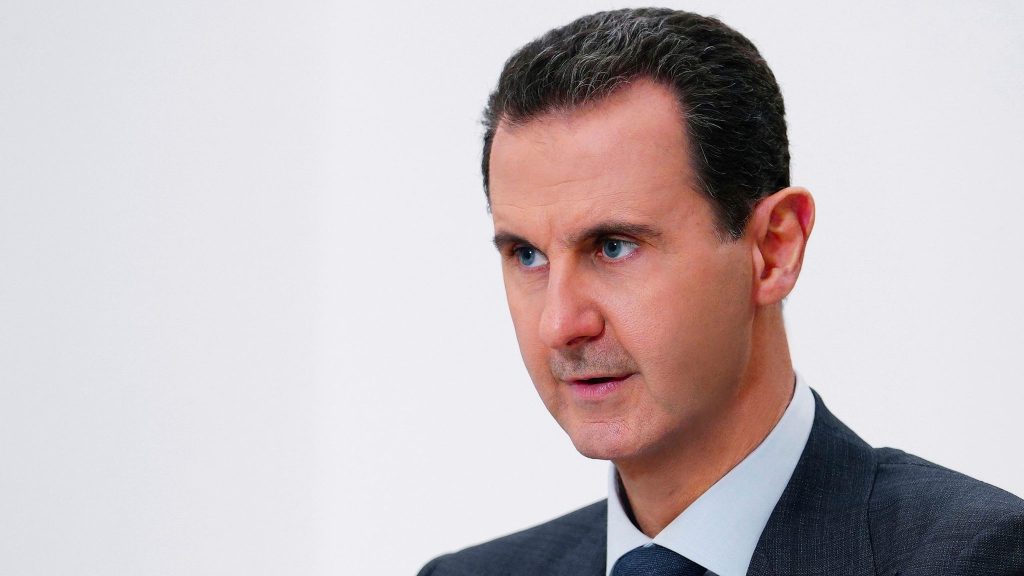
There is growing curiosity regarding Syrian President Bashar al-Assad's recent silence on official statements, raising interest among observers and analysts. This silence comes at a sensitive time marked by notable political and economic developments in the country.
Assad's absence from media appearances is unusual, especially given the current circumstances that require clarifications on various issues. Recently, Syria has witnessed changes in the political landscape, including talks with Arab and international countries aimed at reintegrating the nation into the international community.
Details of the Event
Since the onset of the Syrian crisis, Assad has been known for his frequent media appearances, where he spoke on numerous occasions about the situation in the country. However, in recent months, his appearances have significantly decreased, raising questions about the reasons behind this silence. Some analysts believe this decline may result from internal or external pressures, or perhaps due to new strategies adopted by the government.
At the same time, calls from various political factions in Syria for political and economic reforms have increased, heightening the need for clarifications from Assad regarding his vision for these reforms. Nevertheless, his absence from the media landscape may leave room for speculation about the government's intentions.
Background & Context
Since the outbreak of the conflict in 2011, Assad has faced significant challenges, including economic sanctions and international isolation. However, he has managed to remain in power thanks to military support from allies such as Russia and Iran. In recent years, some Arab nations have begun to reconsider their relations with Damascus, potentially opening the door for Assad to return to the regional political arena.
Historically, Assad has relied on media as a means of communication with the public, using media platforms to present his narrative on events. However, with increasing pressures, his retreat from media appearances may be a strategy to avoid criticism.
Impact & Consequences
Assad's silence could have multiple effects on the political landscape in Syria. It may lead to increased pressure on the government from the opposition and the international community, potentially necessitating changes in policies. Additionally, the absence of official statements could contribute to the spread of rumors and speculation regarding internal conditions, further increasing instability.
On the other hand, some may view this silence as a reflection of Assad's strength and ability to control the situation, which could bolster his position domestically. However, continued silence may lead to a loss of trust among certain segments of the Syrian population.
Regional Significance
Assad's silence is part of a broader regional context, as many Arab countries are moving towards re-establishing relations with Damascus. This silence may influence how these countries interact with the Syrian government, which could impact reconstruction and stabilization efforts in the country.
Ultimately, the question of why Assad remains silent remains open and requires clear answers in light of the current circumstances. Potential changes in Syrian policy may depend on Assad's ability to communicate with his people and the international community.