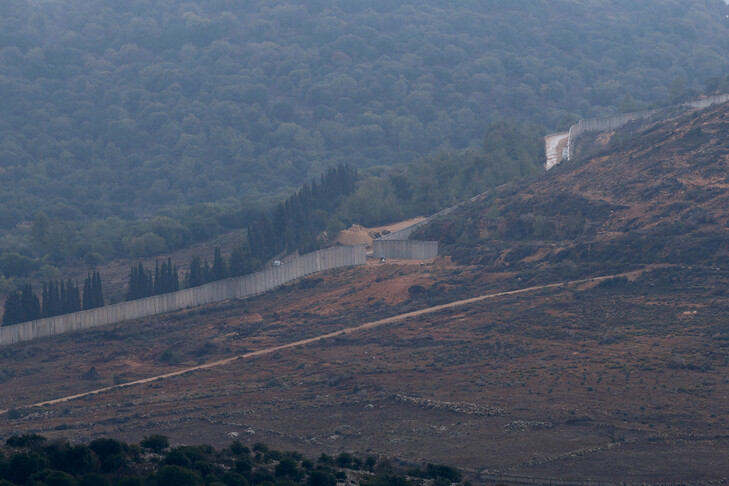
The United Nations has announced the recording of 299 incidents of gunfire by Israeli forces south of the Blue Line in Lebanon, a figure considered among the highest since the signing of the ceasefire agreement. These incidents arise at a time when Lebanon is facing multiple crises, complicating the security situation in the region.
According to the spokesperson for the United Nations, these incidents have been monitored by the organization's peacekeeping forces, which are tasked with overseeing the situation in the border area between Lebanon and Israel. These occurrences have raised significant concern in international circles, as they are seen as an indicator of escalating tensions in the region.
Details of the Incidents
The recorded incidents have been spread over several months, indicating an increasing pattern of Israeli military activities. These incidents have been documented in periodic reports prepared by the peacekeeping forces, which indicate that these activities negatively impact stability in the region.
The incidents include random gunfire, as well as military movements near the border, heightening fears of a potential escalation that could lead to a new conflict. Additionally, these incidents come at a sensitive time when Lebanon is grappling with severe economic and political crises.
Background & Context
Historically, the Lebanese-Israeli border has witnessed ongoing tensions, especially following the recent conflict in 2006. Since then, United Nations peacekeeping forces have been deployed in the area to maintain stability and prevent any military escalation. However, recent incidents demonstrate that the situation remains fragile, and there is an urgent need for diplomatic efforts to alleviate tensions.
Lebanon, which is suffering from a crippling economic crisis, finds itself in a difficult position as internal and external pressures mount. These conditions make it challenging for the Lebanese government to address security challenges, further complicating the situation.
Impact & Consequences
The increasing incidents could lead to military escalation, posing a threat to regional security. If these activities continue, larger international powers may intervene, complicating the situation further. Moreover, rising tensions could impact peace efforts in the region and hinder any attempts to reach a lasting agreement among the involved parties.
Furthermore, the situation in Lebanon could affect neighboring countries, as tensions may spill over into other areas of the Middle East. Therefore, the international community is called upon to intervene promptly to ensure the stability of the region.
Regional Significance
This situation highlights the rising security tensions in a sensitive area that could affect regional stability. The international community must take immediate action to address these issues and prevent further escalation, which could have far-reaching implications for the entire region.
In conclusion, the ongoing incidents of gunfire by Israeli forces in Lebanon represent a critical challenge that requires urgent attention from both local and international stakeholders to ensure peace and stability.