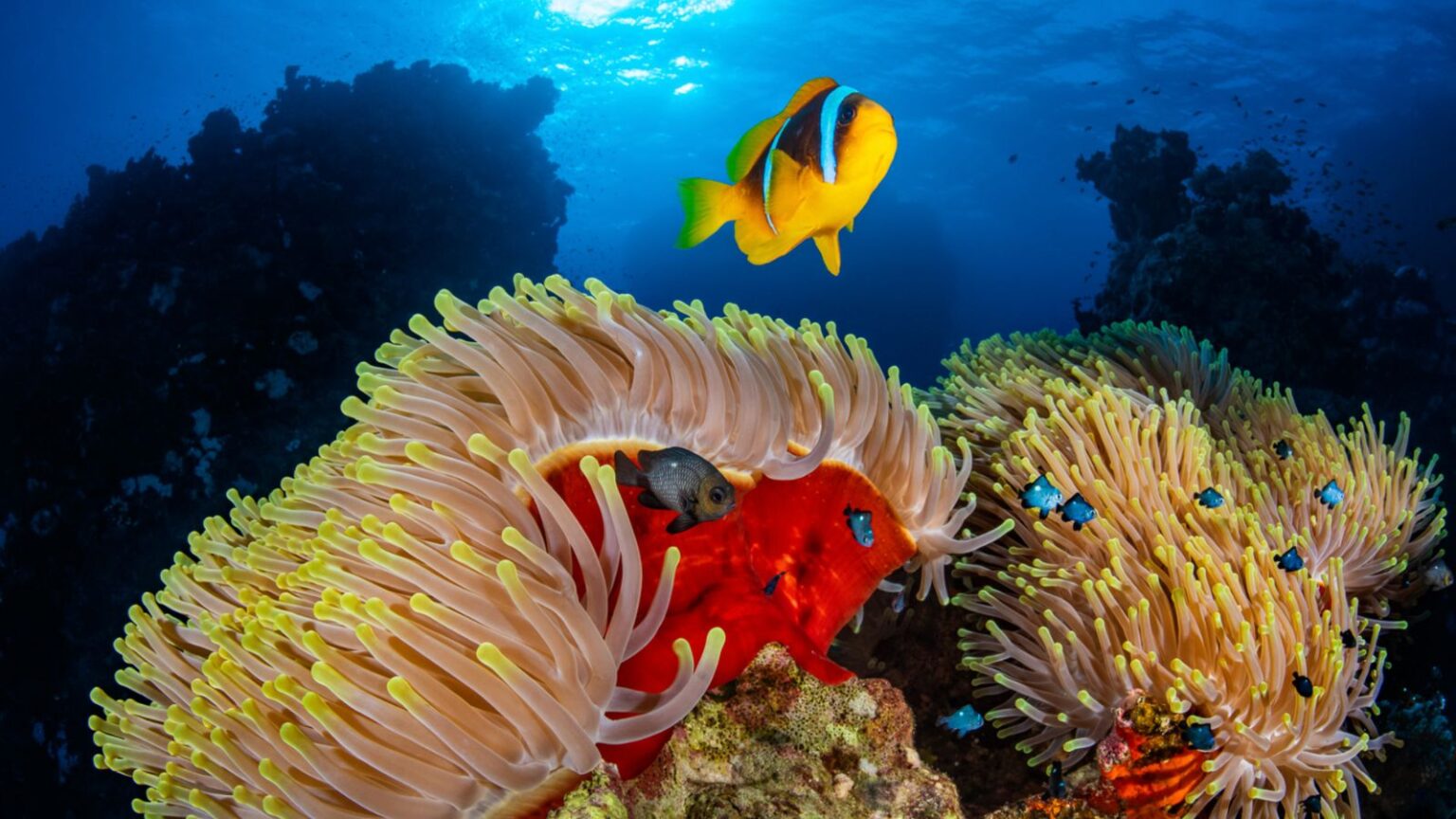
Recent research indicates that the coral reefs of the Red Sea are a promising source for modern medicines, potentially aiding in the development of new treatments for various diseases. This discovery comes at a time of increasing interest in bioprospecting to utilize marine biodiversity for innovative medical products.
Coral reefs are considered one of the most diverse ecosystems on Earth, hosting a wide array of living organisms that produce unique chemical compounds. These compounds are used in drug development, including anticancer medications and antibiotics.
Details of the Research
In recent years, numerous studies have highlighted the therapeutic potential of coral reefs. Research has shown that certain marine organisms, such as sponges and corals, contain compounds that may be effective in treating chronic diseases.
Teams of scientists and researchers are studying these marine organisms in specialized laboratories, where chemical compounds are extracted and analyzed to discover their therapeutic properties. This type of research is part of bioprospecting, which aims to explore and exploit marine biodiversity for drug development.
Background & Context
Historically, coral reefs have been regarded as sources of food and economic resources, but with advancements in medical sciences, researchers have begun to explore their therapeutic potentials. The Red Sea is considered one of the richest marine areas in biodiversity, making it an ideal site for bioprospecting.
Coral reefs face increasing challenges, including climate change and pollution, which threaten this unique ecosystem. Therefore, preserving these reefs is vital not only for maintaining biodiversity but also for securing new sources of medicines in the future.
Impact & Consequences
Discoveries related to coral reefs could revolutionize the pharmaceutical industry, contributing to the development of new treatments for diseases that were previously considered difficult to treat. This could enhance countries' abilities to address global health challenges.
Moreover, bioprospecting can contribute to boosting the local economy by creating new job opportunities in research and development. It can also enhance eco-tourism, allowing visitors to explore the beauty of coral reefs and learn about their environmental significance.
Regional Significance
Arab countries, especially those bordering the Red Sea, are strategically positioned to benefit from these discoveries. This research can enhance collaboration among Arab nations in scientific research and drug development.
It can also contribute to improving public health in the region by providing new and effective treatments. Given the health challenges facing the region, this development represents a beacon of hope for a healthier future.