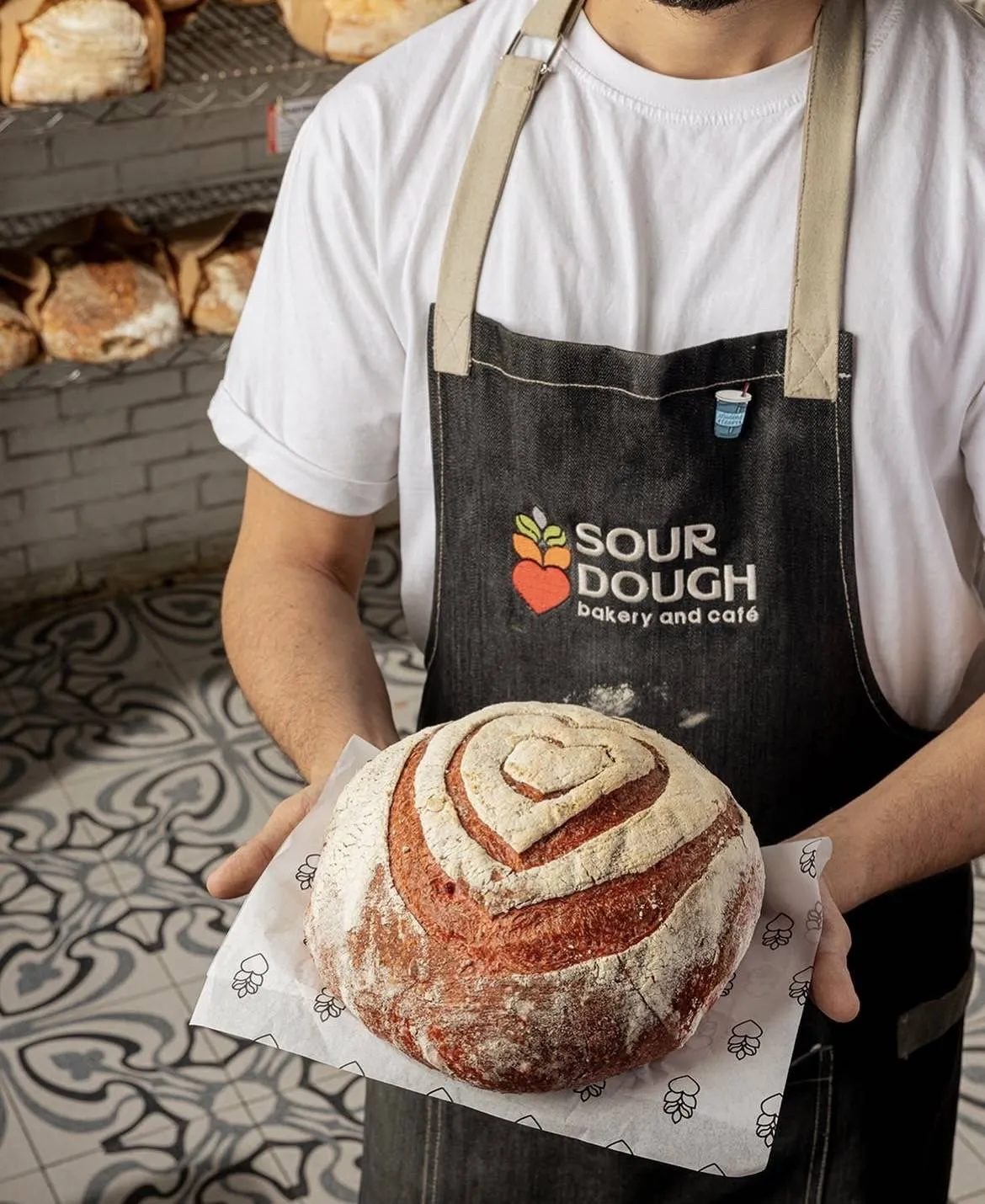
Sourdough bread has re-emerged as a star in the culinary world, transitioning from a traditional product to a preferred choice on dining tables and in bakeries. This bread relies on natural fermentation, making it a symbol of health and authenticity.
Sourdough is considered one of the oldest types of bread in history, with origins dating back thousands of years. It is prepared using a mixture of flour and water, which is left to ferment due to the natural bacteria and yeasts present in the air. This slow process gives it a distinctive sour flavor and chewy texture, along with health benefits that have attracted the attention of nutrition experts.
Event Details
Reports have indicated that long fermentation helps facilitate digestion and reduce gluten content, improving the absorption of minerals such as iron and magnesium. It also features a lower glycemic index compared to white bread, making it a preferred choice for those suffering from diabetes.
However, the popularity of this bread is not limited to its health benefits; social media has played a significant role in transforming its preparation into a daily ritual and a home hobby. Videos on "feeding the starter" and baking techniques have spread as a form of meditation and a return to the slow rhythm of life.
Background & Context
This bread has made a comeback after infiltrating bakeries, where it is requested by name, and people rave about its healthy ingredients and delicious taste. In Lebanon, sourdough has begun to find its way into small bakeries and home kitchens, where it has been reimagined with local flavors using whole wheat flour, za'atar, or even pomegranate molasses and sun-dried tomatoes.
Thus, this bread has become more than just a fleeting trend; it symbolizes a collective nostalgia for authenticity and a desire to revive handmade products. Lebanese youth are choosing it as a sandwich base with tuna, avocado, and various meats.
Impact & Consequences
Once sourdough found its way into the Lebanese kitchen, it began to acquire a local identity. Rather than sticking to its classic flavor, bakers and artisans have infused it with ingredients inspired by the Lebanese table, creating a culinary space that merges tradition and innovation.
Za'atar is one of the first flavors to make its way into this bread. Dried or fresh local za'atar is added to the dough, giving it a familiar aroma and taste that resonates with Lebanese hearts, reminding them of the Lebanese manakish, but in a new form. This variety combines the chewy texture of sourdough with the earthy flavor of za'atar, making it ideal for serving with olive oil or labneh.
Regional Significance
Attention is turning to this bread as a symbol of the return to traditional and healthy foods, reflecting the desire of Arab communities to reclaim their culinary identity. Sourdough in Lebanon illustrates how heritage can be renewed and acquire new dimensions that align with modern times.
In conclusion, it seems that sourdough bread is no longer just food; it has become a symbol of a lifestyle that expresses people's longing for simple and healthy foods, making it an integral part of contemporary food culture.