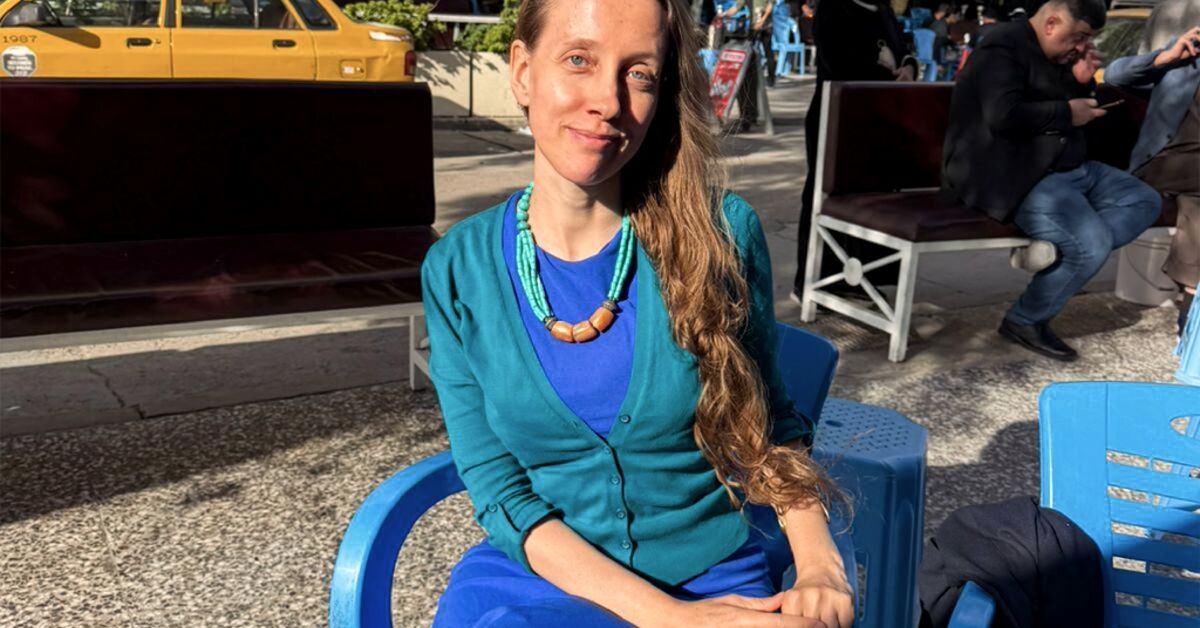
The Iraqi group Kata'ib Hezbollah announced on Tuesday the release of American journalist Shelley Kittleson, who was kidnapped in Baghdad a week earlier. Both the Iran-backed group and the United States confirmed her release, reflecting a significant development amid the tense events in Iraq.
Kittleson's release was announced at a critical time, just hours before a ceasefire agreement was reached between the United States and Iran, following over a month of conflict that has extended across vast areas of the Middle East. The timing of these events raises questions about the relationship between kidnappings and political negotiations in the region.
Details of the Incident
Shelley Kittleson, an independent journalist, was abducted in Baghdad while covering political and security events in Iraq. The kidnapping of journalists in Iraq is a recurring phenomenon, as media outlets face significant challenges in an environment rife with violence and political tensions. Kittleson's abduction raised widespread concern among media and political circles, especially given the deteriorating security situation in the country.
After intensive efforts by American and Iraqi authorities, Kittleson was released, highlighting the importance of international cooperation in addressing security challenges. Her family expressed relief at her release, praising the efforts made by the relevant parties.
Background & Context
Historically, Iraq has witnessed numerous cases of journalist kidnappings, especially following the American invasion in 2003. The deteriorating security conditions have led to an increase in violence against media personnel, making them targets for various armed groups. In recent years, the intensity of conflict in Iraq has escalated, complicating the security landscape further.
Kata'ib Hezbollah is considered one of the prominent armed groups in Iraq, supported by Iran. This group has played a significant role in the conflict against American forces, making it a key player in the political and security scene in Iraq. Kittleson's release comes at a sensitive time, as pressures mount on armed groups to comply with international standards and respect human rights.
Impact & Consequences
Kittleson's release could positively affect relations between the United States and Iraq, demonstrating the Iraqi government's commitment to protecting journalists and promoting freedom of expression. This event may also contribute to improving Iraq's image in the international community, especially in light of the security challenges the country faces.
On the other hand, this incident could increase pressure on armed groups to adhere to international laws, potentially contributing to a reduction in kidnappings and violence against journalists. Improving security conditions in Iraq would have positive effects on all fronts, including the economy and tourism.
Regional Significance
The issue of press freedom and the protection of journalists is a sensitive topic in the Arab world. Kittleson's release could serve as a model for other countries facing similar conflicts. This event reflects the importance of international cooperation in addressing security challenges, which may contribute to enhancing stability in the region.
In conclusion, the release of Shelley Kittleson is a positive step towards improving security conditions in Iraq and underscores the importance of protecting journalists in conflict zones. Strengthening freedom of expression and protecting human rights will have far-reaching impacts on the stability of the region.